
1. Introduction
This manual provides essential instructions for the safe and efficient operation, assembly, maintenance, and troubleshooting of your KESSER K-KM 3000 Universal Food Processor. Please read this manual thoroughly before first use and retain it for future reference.
Important Safety Instructions
- Always ensure the appliance is unplugged before assembling, disassembling, or cleaning.
- Keep hands and utensils away from moving parts during operation to prevent injury.
- Do not immerse the motor unit in water or any other liquid.
- Supervise children closely when the appliance is in use.
- Do not operate the appliance with a damaged cord or plug, or after the appliance malfunctions or has been damaged in any manner.
- Place the appliance on a stable, flat, and dry surface.
- The appliance is equipped with a temperature sensor that automatically turns off the device in case of overheating. Allow it to cool down before resuming operation.
2. Product Overview and Components
The KESSER K-KM 3000 is a versatile 3-in-1 food processor designed for various kitchen tasks, including mixing, kneading, grinding, blending, and slicing. It features a robust motor and a wide range of accessories.

Figure 2.1: KESSER K-KM 3000 Food Processor with included accessories.
Included Components:
- 1 Food Processor Main Unit
- 1 Stainless Steel Mixing Bowl (5.5L capacity)
- 1 Splash Guard
- 1 Dough Hook
- 1 Stirrer (Flat Beater)
- 1 Whisk (Balloon Whisk)
- 1 Meat Grinder Accessory (with 3 perforated discs)
- 1 Spiral Cutter Accessory (with 3 continuous cutters/drums)
- 1 Standard Blender Accessory (1.5L capacity)
- 1 Pastry Tip
- 1 Sausage Nozzle
- 1 Set of Accessories for Kebbé
- 1 Graduated Measuring Glass
- 1 Pusher

Figure 2.2: Component overview of the KESSER K-KM 3000 Food Processor.
3. Setup and Assembly
- Unpacking: Carefully remove all components from the packaging. Retain packaging for storage or transport.
- Cleaning: Before first use, clean all detachable parts that will come into contact with food according to the "Maintenance and Cleaning" section. Wipe the main unit with a damp cloth.
- Placement: Place the main unit on a clean, dry, and stable surface. Ensure the non-slip suction cups are securely attached to prevent movement during operation.
- Attaching the Mixing Bowl: Place the stainless steel mixing bowl onto the base of the main unit and turn it clockwise until it locks securely into place.
- Attaching Accessories: Depending on the task, attach the desired accessory (dough hook, stirrer, whisk) to the mixer head. Ensure it clicks into place. For the meat grinder, spiral cutter, or blender, refer to their specific assembly instructions below.
- Splash Guard: Attach the splash guard to the mixer head before lowering it. It should cover the bowl when the head is lowered.
4. Operating Instructions
Ensure the appliance is correctly assembled and plugged into a suitable power outlet (220-240V, 50/60Hz).
General Operation:
- Speed Control: Use the rotary regulator to select one of the 6 available speed levels. Start with a lower speed and gradually increase as needed.
- Pulse Function: For short bursts of maximum power, turn the regulator to the 'P' (Pulse) setting and hold. Release to stop.
- Lowering/Raising the Mixer Head: Use the release lever (usually located on the side or back of the head) to unlock and raise the mixer head for attaching/detaching accessories or the bowl. Push down firmly until it locks into place before operation.
Specific Functions:
4.1 Mixing, Kneading, and Whipping
Use the stainless steel bowl with the dough hook for kneading, the stirrer for mixing, or the whisk for whipping.
- Attach the desired accessory (dough hook, stirrer, or whisk) to the mixer head.
- Add ingredients to the 5.5L stainless steel bowl.
- Lower and lock the mixer head. Ensure the splash guard is in place.
- Select the appropriate speed using the rotary regulator.
- Monitor the process through the transparent splash guard. Add additional ingredients through the opening if necessary.
- Once complete, turn the regulator to '0', unplug the appliance, raise the mixer head, and remove the bowl and accessory.

Figure 4.1: Using the dough hook for pastry preparation.
4.2 Meat Grinding
The meat grinder accessory allows for efficient processing of various meats.
- Attach the meat grinder accessory to the front port of the main unit, ensuring it is securely locked.
- Select the desired perforated disc (fine, medium, or coarse) and insert it.
- Place a bowl under the output to collect the ground meat.
- Cut meat into small pieces that fit the feeding tube.
- Turn on the appliance to a medium speed. Use the pusher to guide meat into the grinder. Never use fingers or other utensils.
- After use, turn off, unplug, and disassemble for cleaning.

Figure 4.2: Meat grinder attachment with different perforated discs.
4.3 Blending
The 1.5L blender is suitable for making smoothies, sauces, and soups.
- Ensure the blender jug is securely attached to the top port of the main unit.
- Add ingredients to the blender jug. Do not exceed the maximum fill line.
- Secure the lid firmly.
- Select a suitable speed or use the pulse function for desired consistency.
- After blending, turn off, unplug, and carefully remove the jug.

Figure 4.3: Blender attachment in use for juices or smoothies.
4.4 Spiral Cutting / Slicing / Grating
The spiral cutter accessory with its continuous cutters is ideal for processing vegetables.
- Attach the spiral cutter accessory to the front port, similar to the meat grinder.
- Insert one of the three continuous cutter drums (for slicing, grating, or shredding).
- Place a bowl under the output.
- Feed vegetables into the chute using the pusher.
- Operate at a medium speed.
- After use, turn off, unplug, and disassemble for cleaning.

Figure 4.4: Spiral cutter attachment for slicing and grating vegetables.
4.5 Sausage and Kebbé Making
Utilize the meat grinder attachment with specialized nozzles for making sausages and Kebbé.
- Assemble the meat grinder as described in section 4.2, but attach the sausage nozzle or Kebbé accessory instead of a perforated disc.
- Prepare your sausage mixture or Kebbé dough.
- For sausages, slide the casing onto the nozzle. For Kebbé, form the mixture as it exits.
- Feed the mixture into the grinder using the pusher.
- Operate at a low to medium speed.
- After use, turn off, unplug, and disassemble for cleaning.
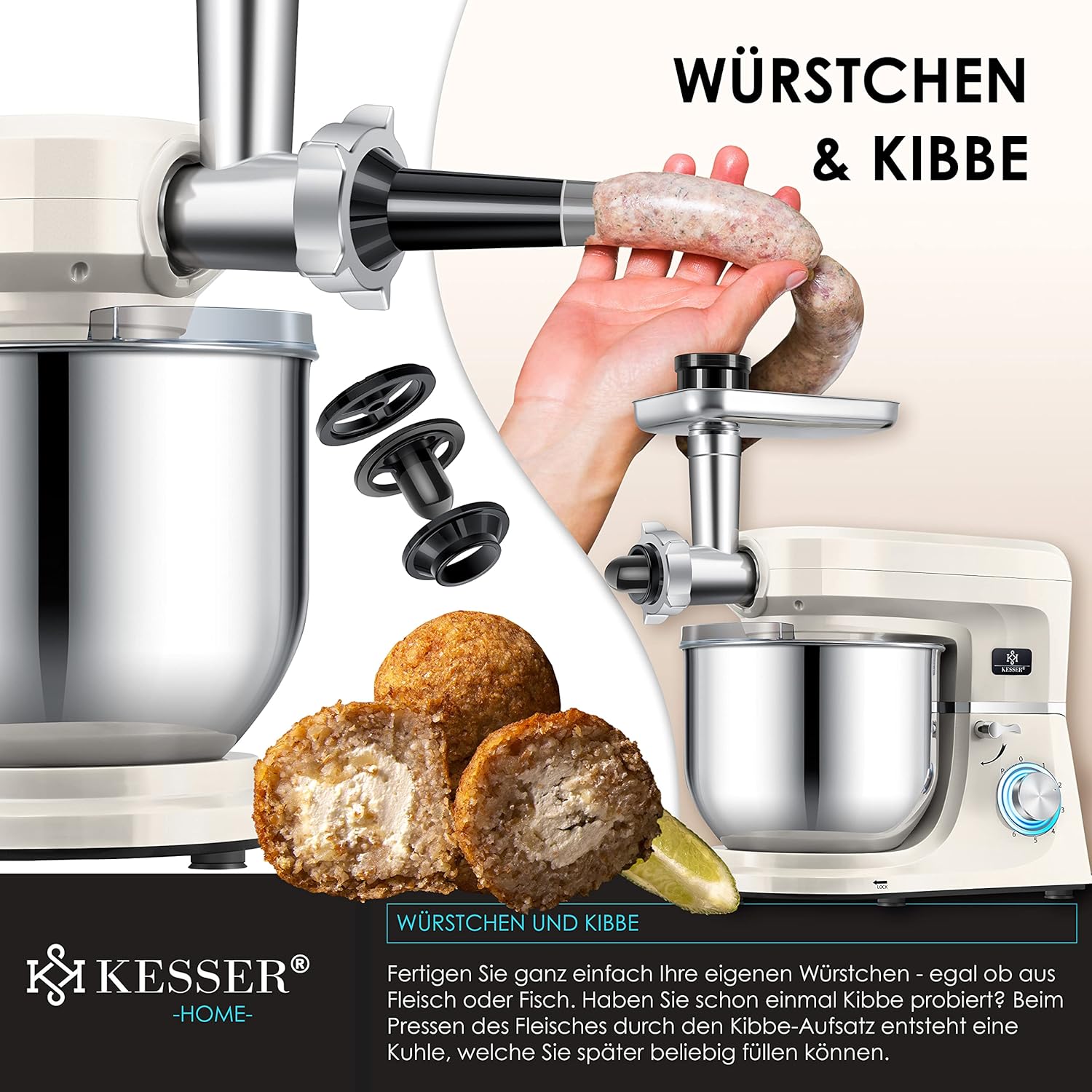
Figure 4.5: Sausage nozzle and Kebbé accessories for specialized preparations.
5. Maintenance and Cleaning
Regular cleaning ensures the longevity and hygienic operation of your food processor.
- Always unplug the appliance before cleaning.
- Main Unit: Wipe the motor unit with a damp cloth. Do not immerse it in water.
- Detachable Parts: The stainless steel bowl, mixing accessories (hook, stirrer, whisk), blender jug, meat grinder parts, and spiral cutter drums are generally dishwasher safe. However, hand washing with warm, soapy water is recommended for optimal care and to prolong their lifespan, especially for parts with sharp blades.
- Drying: Ensure all parts are thoroughly dried before reassembling or storing.
- Storage: Store the appliance and its accessories in a clean, dry place.
6. Troubleshooting
| Problem | Possible Cause | Solution |
|---|---|---|
| Appliance does not turn on. | Not plugged in; power outlet malfunction; safety lock not engaged; overheating protection activated. | Check power connection. Try a different outlet. Ensure mixer head is fully lowered and locked, and bowl/attachments are correctly secured. If overheated, unplug and allow to cool for 30 minutes. |
| Motor stops during operation. | Overheating due to prolonged use or heavy load. | Unplug the appliance and allow it to cool down for at least 30 minutes. Reduce load or processing time. |
| Excessive noise or vibration. | Appliance not on a stable surface; attachments not properly secured; too much load. | Ensure non-slip suction cups are engaged on a flat surface. Check all attachments are correctly installed and locked. Reduce the amount of ingredients. |
| Ingredients not processing effectively. | Incorrect speed setting; too many ingredients; wrong attachment for the task. | Adjust speed. Reduce ingredient quantity. Ensure the correct accessory is used for the specific task (e.g., dough hook for kneading, whisk for whipping). |
7. Specifications
- Model Name: K-KM 3000
- Brand: KESSER
- Power: 1500 W
- Rated Voltage: 220-240V
- Rated Frequency: 50/60Hz
- Bowl Capacity: 5.5 Liters
- Blender Capacity: 1.5 Liters
- Number of Speeds: 6 + Pulse Function
- Dimensions (L x H x D): 36 x 20.5 x 54 cm (approx. 14.17 x 8.07 x 21.26 inches)
- Item Weight: Approximately 19.84 pounds (9 kg)
- Main Unit Material: ABS Plastic Housing
- Blade Material: Stainless Steel
- Special Feature: Built-in temperature sensor for overheating protection
- Care Instructions: Dishwasher Safe (for most detachable parts)
8. Warranty and Support
For warranty information, technical support, or service inquiries, please refer to the warranty card included with your purchase or contact KESSER customer service directly. Keep your proof of purchase for any warranty claims.
For further assistance, you may visit the official KESSER website or contact your retailer.