
1. Introduction
Thank you for choosing the KAINOKAI 58-inch Laminated Recurve Bow. This bow is designed for archery enthusiasts, suitable for hunting, bowfishing, and target practice. Please read this manual thoroughly before use to ensure proper handling and safety.
2. Product Features
- Manufacturing Process: Limbs are laminated with multi-layer composite fiberglass and high-strength maple. The riser is laminated with composite high-strength and high-density technology color wood.
- Design: Named after the velociraptor, featuring a dragon-themed design with wood grain on the riser resembling dragon eyes.
- Specifications: Available in Left Hand and Right Hand orientations with draw weights from 20lb to 60lb in 5lb increments.
3. Package Contents
Upon opening your package, please verify that all the following items are included:
- Recurve Bow (1)
- Bow String (1)
- Fur Arrow Rest (1)
- Product Manual (1)
4. Hand Orientation Guide
Understanding your dominant hand is crucial for selecting the correct bow orientation. The hand that holds the bow (the bow hand) determines the bow's orientation, while the other hand (the drawing hand) pulls the string.
- Right-Handed Bow: Held in the left hand, drawn with the right hand.
- Left-Handed Bow: Held in the right hand, drawn with the left hand.
If you write with your right hand, you are right-hand dominant, and your right hand is used to draw the string of the bow. Therefore, you should choose a right-handed bow.

Figure 4.1: Visual guide for Left Hand and Right Hand bow orientations. Right-handed bows are held in the left hand and drawn with the right hand. Left-handed bows are held in the right hand and drawn with the left hand.
5. Setup and Assembly
Follow these steps to safely assemble your recurve bow. Always exercise caution during assembly and disassembly.
- Inspect Components: Before assembly, carefully inspect all bow components (riser, limbs, string) for any damage or defects. Do not assemble or use the bow if any part is damaged.
- Attach Limbs to Riser:
- Identify the upper and lower limbs. They are typically marked or can be distinguished by the limb pockets on the riser.
- Slide each limb into its corresponding pocket on the riser. Ensure they are fully seated and aligned.
- Secure the limbs using the provided bolts or screws. Tighten them firmly but do not overtighten, as this can damage the limbs or riser.

Figure 5.1: Close-up of the bow riser and limb attachment area. Ensure limbs are securely fastened.
- Stringing the Bow:
Stringing a recurve bow requires a bow stringer tool for safety and to prevent limb twist. Never string a bow by hand without a stringer.
- Place one limb tip into the lower pocket of the bow stringer.
- Loop one end of the bowstring onto the nock of the lower limb.
- Place the other limb tip into the upper pocket of the bow stringer.
- Loop the other end of the bowstring over the upper limb, ensuring it sits just below the nock.
- Step on the stringer's center pad, pull the riser upwards, and slide the upper string loop into the nock groove.
- Carefully remove the stringer and check that both string loops are securely seated in the limb nocks.
- Attach Arrow Rest: Affix the fur arrow rest to the riser according to its specific instructions. Ensure it is positioned correctly for consistent arrow flight.

Figure 5.2: The KAINOKAI recurve bow fully assembled and ready for use.
6. Specifications
The KAINOKAI Velociraptor One recurve bow is available in various configurations. Please refer to the table below for detailed specifications.
| Feature | Description |
|---|---|
| Model Name | Velociraptor One |
| Brand | KAINOKAI |
| Material | Fiberglass, Maple Wood, Wood |
| Item Weight | Approximately 5 Pounds (bow only) |
| Hand Orientation | Left Hand or Right Hand (variant dependent) |
| Archery Draw Weight | 20lb - 60lb (in 5lb increments) |
| AMO Length | 58 inches |
| Bowstring Length | 54.5 inches |
| Brace Height | 6.5 - 7.2 inches |
| Draw Length | 28 inches (Max 30 inches) |

Figure 6.1: Product dimensions and key measurements for the KAINOKAI recurve bow.
7. Operating Instructions
Proper shooting technique is essential for accuracy and safety. Always practice in a safe environment and under supervision if you are new to archery.
- Stance: Stand with your feet shoulder-width apart, perpendicular to the target.
- Nocking the Arrow: Place the arrow on the arrow rest and attach the nock to the bowstring. Ensure the fletching is correctly oriented.
- Grip: Hold the bow riser firmly but relaxed, allowing the bow to pivot slightly in your hand. Avoid a death grip.
- Draw: Use your back muscles to smoothly draw the string back to your anchor point. Maintain a consistent anchor point for repeatable shots.
- Aim: Use your preferred aiming method (instinctive, gap shooting, or sights if installed).
- Release: Relax your drawing fingers to allow the string to release cleanly. Follow through with your shot.
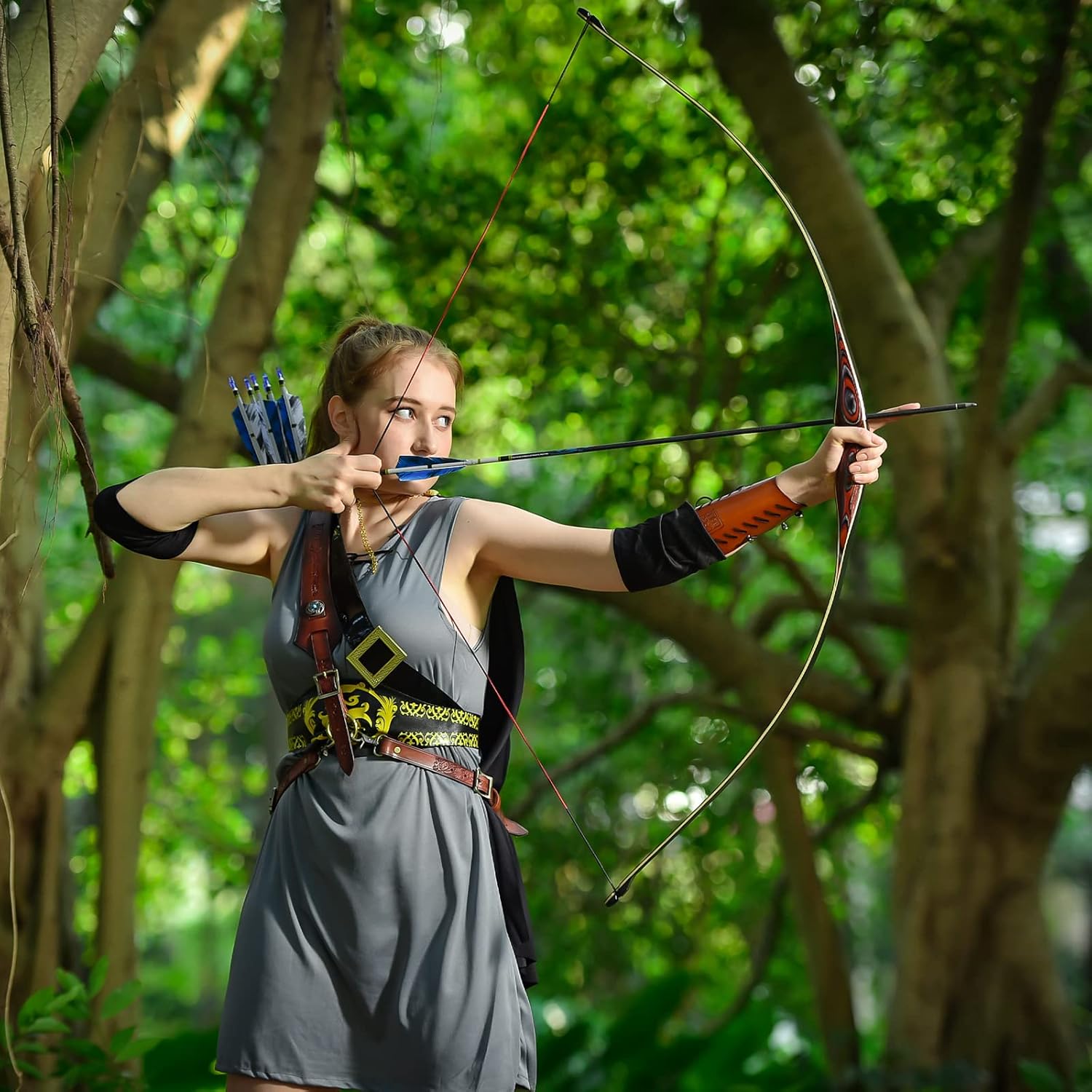
Figure 7.1: An archer demonstrating the proper technique for drawing and holding the recurve bow.
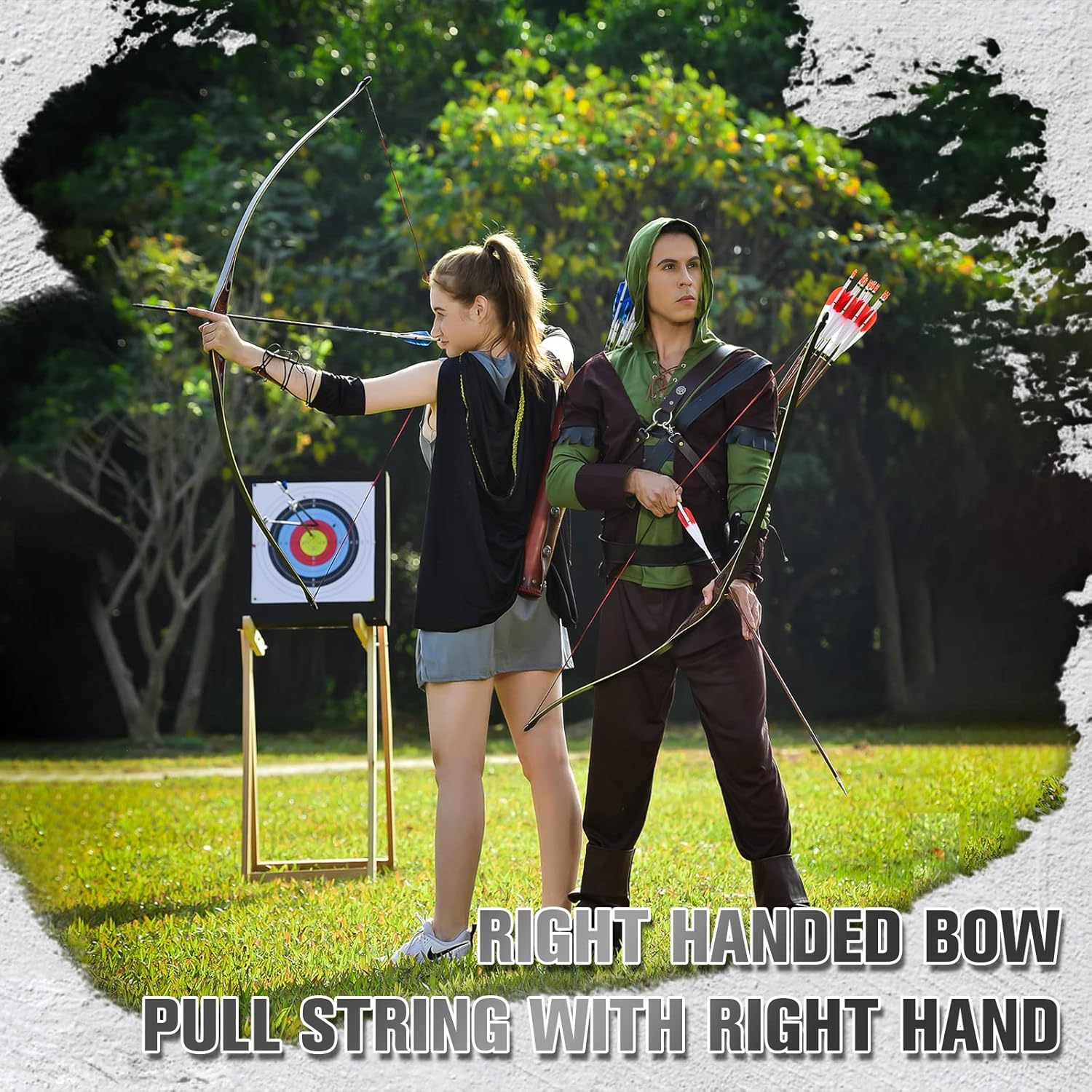
Figure 7.2: Archers engaging in target practice, illustrating the use of the recurve bow in an outdoor setting.
Video 7.1: Official KAINOKAI video demonstrating the Velociraptor Series American Hunting Bow in use, showcasing various shooting scenarios and techniques.
8. Maintenance
Regular maintenance will prolong the life of your bow and ensure safe operation.
- Bowstring Care:
- Inspect the bowstring before each use for fraying or damage. Replace immediately if damaged.
- Apply bowstring wax regularly (every 5-10 shooting sessions) to protect the string from wear and moisture.
- Unstring the bow when not in use for extended periods to relieve tension on the limbs.
- Limb and Riser Care:
- Wipe down the limbs and riser with a soft, dry cloth after each use to remove dirt and moisture.
- Store the bow in a cool, dry place, away from extreme temperatures and direct sunlight.
- Avoid dropping or impacting the bow, as this can cause structural damage.
- Arrow Rest: Ensure the arrow rest is clean and free of debris for smooth arrow passage.
9. Troubleshooting
Here are some common issues and their potential solutions:
| Problem | Possible Cause | Solution |
|---|---|---|
| Inconsistent Arrow Flight | Improper nocking point, damaged fletching, inconsistent release, incorrect arrow spine. | Check nocking point, inspect arrows, practice consistent release, ensure arrows match bow draw weight. |
| Bowstring Fraying | Lack of wax, sharp edges on nocks, excessive use. | Apply bowstring wax, inspect limb nocks for burrs, replace string if severely frayed. |
| Loud Shot Noise | Incorrect brace height, dry string, loose accessories. | Adjust brace height within recommended range (6.5-7.2 inches), wax string, check all attachments. |
| Limb Twist | Improper stringing technique, prolonged storage while strung. | Always use a bow stringer. Unstring the bow when not in use. If severe, contact support. |
10. Safety Information
Archery can be dangerous if proper safety precautions are not followed. Always prioritize safety.
- Never dry-fire the bow (drawing and releasing the string without an arrow). This can severely damage the bow and cause injury.
- Always ensure your shooting lane is clear of people, animals, and obstructions.
- Wear appropriate safety gear, including an armguard and finger tab/release aid.
- Only use arrows that are properly matched to your bow's draw weight and length.
- Inspect your bow and arrows for damage before each use.
- Never point a drawn bow at anything you do not intend to shoot.
- Store the bow securely, out of reach of children and unauthorized users.
11. Warranty and Support
KAINOKAI provides a 1-year warranty for this product. We are committed to offering high-quality products and responsive after-sales support.
For warranty claims, technical assistance, or any questions regarding your KAINOKAI recurve bow, please contact our customer support team through the retailer where you purchased the product or visit the official KAINOKAI website for contact information.
Please retain your proof of purchase for warranty purposes.


