
1. Introduction
This manual provides essential information for the safe and efficient operation, installation, and maintenance of the R2E190-AO26-05 Centrifugal Fan. This fan is designed for air purification systems, cabinet ventilation, and other industrial applications requiring efficient air movement.
The R2E190-AO26-05 is an AC Turbo centrifugal fan featuring a robust design with a PA 6 plastic impeller and ball bearings, ensuring reliable performance. It operates on 230 VAC and is suitable for various ventilation and heat dissipation needs.

Figure 1: Top-down view of the R2E190-AO26-05 Centrifugal Fan, showing the central motor and impeller blades.
2. Technical Specifications
The following table details the key technical specifications of the R2E190-AO26-05 Centrifugal Fan:
| Parameter | Value |
|---|---|
| Model | R2E190-AO26-05 |
| Fan Size | 190 mm |
| Nominal Voltage | 230 VAC |
| Current Type | AC |
| Frequency | 50/60 Hz |
| Power Input | 58-75 W |
| Speed | 2500-2700 min-1 (RPM) |
| Max Air Flow Volume | 570 CFM |
| Noise Level | 62 dBA |
| Operating Temperature | -25°C to 50°C |
| Degree of Protection | IP44 |
| Bearing Type | Ball bearing |
| Impeller Material | PA 6 plastic |
| Motor | M2E068-BF |
| Application | Air purification fan, Cabinet fan, Inverter fan |
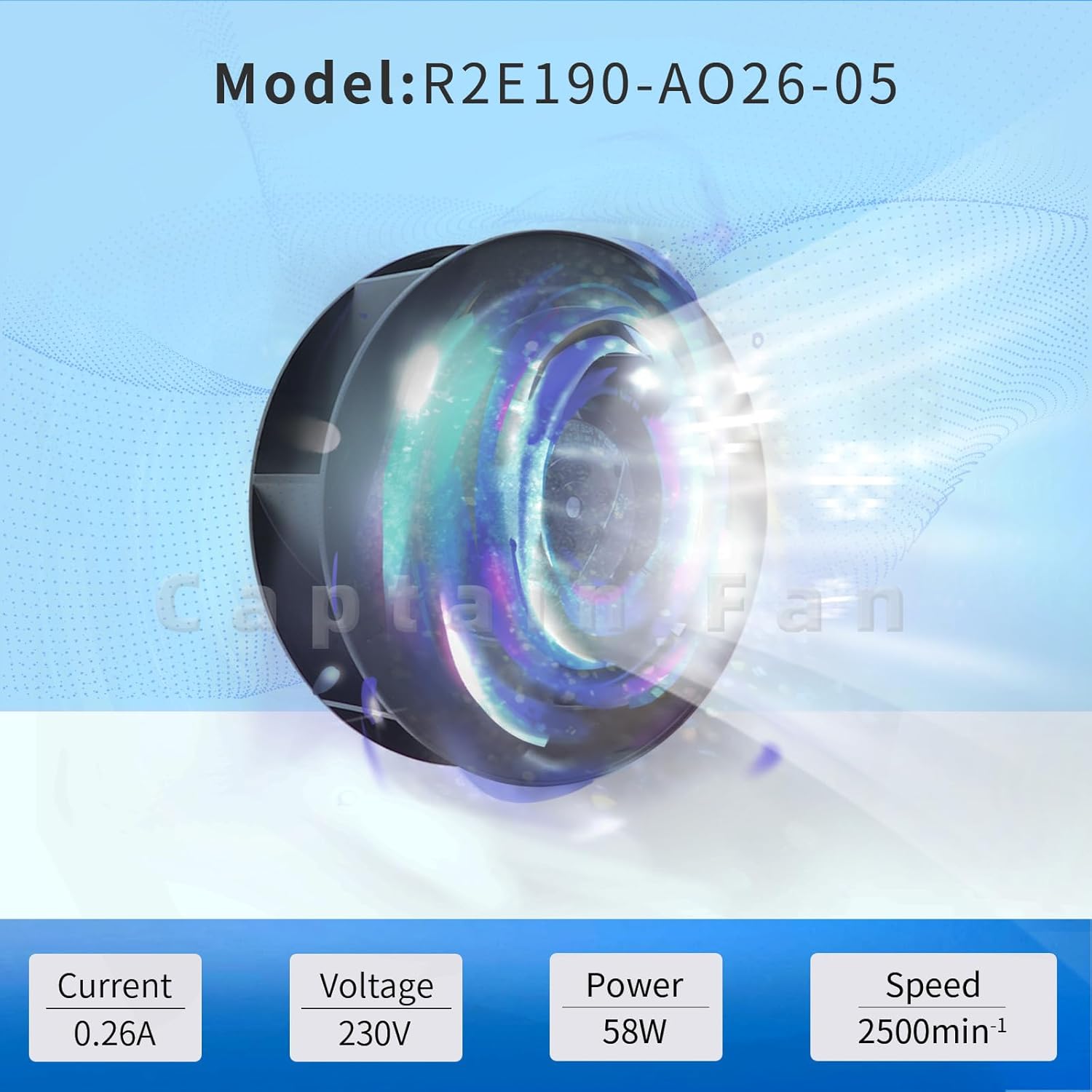
Figure 2: Visual representation of the fan's key electrical and performance parameters.

Figure 3: Dimensional drawing of the R2E190-AO26-05 fan, indicating its 190mm diameter and 68.5mm depth.
3. Setup and Installation
Proper installation is crucial for the fan's performance and longevity. Always ensure power is disconnected before beginning installation.
- Safety First: Ensure the power supply is completely disconnected at the source before handling the fan.
- Mounting Location: Select a stable, flat surface or enclosure suitable for the fan's dimensions (190mm diameter, 68.5mm depth). Ensure adequate clearance for airflow.
- Mounting: Secure the fan using appropriate fasteners through the designated mounting points. Ensure the fan is firmly attached to prevent vibration and noise during operation.
- Electrical Connection: Connect the fan's wiring to the 230 VAC power supply. The fan typically uses a 4-pin power connector. Ensure correct polarity and secure all connections to prevent short circuits. Refer to local electrical codes for proper wiring procedures.
- Airflow Direction: Verify the intended airflow direction. Centrifugal fans draw air axially and discharge it radially. Ensure the fan is oriented to provide the desired ventilation or air purification path.
- Initial Check: Once installed, visually inspect all connections and mounting points. Ensure no loose wires or obstructions are present.
4. Operating Instructions
Once properly installed, the R2E190-AO26-05 fan is ready for operation.
- Power On: Restore power to the fan's circuit.
- Start-up: The fan should begin operating immediately upon receiving power. Listen for any unusual noises or vibrations.
- Monitoring: During initial operation, monitor the fan for stable performance. Ensure it is moving air effectively and that there are no signs of overheating or excessive noise (normal noise level is 62 dBA).
- Continuous Operation: The fan is designed for continuous operation within its specified temperature range (-25°C to 50°C).
- Power Off: To stop the fan, disconnect the power supply at the source.
5. Maintenance
Regular maintenance ensures optimal performance and extends the lifespan of your centrifugal fan.
- Power Disconnection: Always disconnect power before performing any maintenance.
- Cleaning: Periodically inspect the impeller and fan housing for dust, dirt, or debris accumulation. Use a soft brush or compressed air to gently clean the blades and internal surfaces. Avoid using harsh chemicals or abrasive materials.
- Bearing Check: The fan uses ball bearings, which are generally maintenance-free. However, listen for any unusual grinding or squealing noises, which may indicate bearing wear.
- Vibration Check: Regularly check for excessive vibration. Increased vibration can indicate imbalance due to dirt buildup on the impeller or loose mounting.
- Electrical Connections: Annually inspect electrical connections for tightness and signs of corrosion or damage.
- Environmental Conditions: Ensure the operating environment remains within the specified temperature and humidity ranges to prevent premature wear.
6. Troubleshooting
This section provides solutions to common issues you might encounter with the R2E190-AO26-05 fan.
| Problem | Possible Cause | Solution |
|---|---|---|
| Fan does not start | No power supply Incorrect wiring Motor failure | Check power source and circuit breaker. Verify all electrical connections are secure and correct. Contact support if motor failure is suspected. |
| Excessive noise or vibration | Loose mounting Debris on impeller Worn bearings | Tighten mounting screws. Clean impeller blades thoroughly. If bearings are worn, replacement may be necessary (contact support). |
| Reduced airflow | Blocked intake/exhaust Dirty impeller Incorrect fan orientation | Clear any obstructions from air pathways. Clean impeller blades. Ensure fan is installed with correct airflow direction. |
| Overheating | Insufficient ventilation Motor overload High ambient temperature | Ensure adequate space around the fan for heat dissipation. Verify fan is used within specified parameters. Ensure operating temperature is within -25°C to 50°C. |
7. Warranty Information
This product is sold by Captain Fan. For specific warranty terms and conditions, please refer to the documentation provided at the time of purchase or contact the seller directly. Protection plans may be available for extended coverage.
8. Customer Support
For technical assistance, troubleshooting beyond this manual, or warranty inquiries, please contact the seller, Captain Fan, through the platform where the product was purchased. Provide your model number (R2E190-AO26-05) and purchase details for faster service.
Additional resources may be available on the seller's official website or product page.

Figure 4: Packaged units of the R2E190-AO26-05 fan, illustrating product handling and readiness for distribution.

Figure 5: A view of the manufacturer's warehouse, showcasing the extensive inventory of ventilation and heat dissipation products.