
Casio Privia PX-S1100 Digital Piano Instruction Manual
Model: PX-S1100BKC3
1. Introduction
The Casio Privia PX-S1100 is an 88-key touch-responsive weighted digital piano designed for a premium playing experience. Its ultra-portable and sleek design makes it suitable for various environments, from home practice to stage performances. This manual provides essential information for setting up, operating, and maintaining your digital piano.

Figure 1.1: Front view of the Casio Privia PX-S1100 Digital Piano.
2. Key Features
The Casio Privia PX-S1100 offers a range of features designed to enhance your musical journey:
- Entry into Privia Excellence: Slim, stylish design with illuminated touch controls and gold accents, perfect for new players ready for a premium experience.
- Refined Piano Tone: Features a German grand piano with enhanced string/damper resonance, plus 17 other rich, expressive tones.
- Unmatched Portability & Size: 43% smaller than previous Privia models, the PX-S1100 redefines how portable a full-size piano can be. Weighs under 25 lbs and runs on batteries—play on a table, desk, or even your bed.
- Bluetooth Audio & MIDI: Includes WU-BT10 adapter to connect wirelessly with no extra power needed—play, learn, and stream.
- Designed for Learning & Creativity: Casio Music Space app, built-in MIDI/audio recorder, Duet Mode, and USB-MIDI for easy connection.

Figure 2.1: Real Piano Feel in a Slim, Elegant, Portable Digital Piano.
3. What's in the Box
Upon unboxing your Casio Privia PX-S1100, you should find the following items:
- WU-BT10 Bluetooth Audio & MIDI Adapter
- AC Adapter
- Pedal
- Music Stand
4. Setup
4.1 Power Connection
Connect the included AC adapter to the DC 12V port on the rear of the piano and plug it into a wall outlet. Alternatively, the piano can be powered by 6 AA batteries for portable use. Ensure batteries are inserted with correct polarity.
4.2 Pedal Connection
Connect the included pedal to the "DAMPER PEDAL" jack on the rear panel. For enhanced functionality, an optional triple pedal unit (sold separately) can be connected to the "PEDAL UNIT" port.
4.3 Music Stand Setup
Insert the music stand into the designated slots on the top panel of the piano. Ensure it is securely seated before placing sheet music.
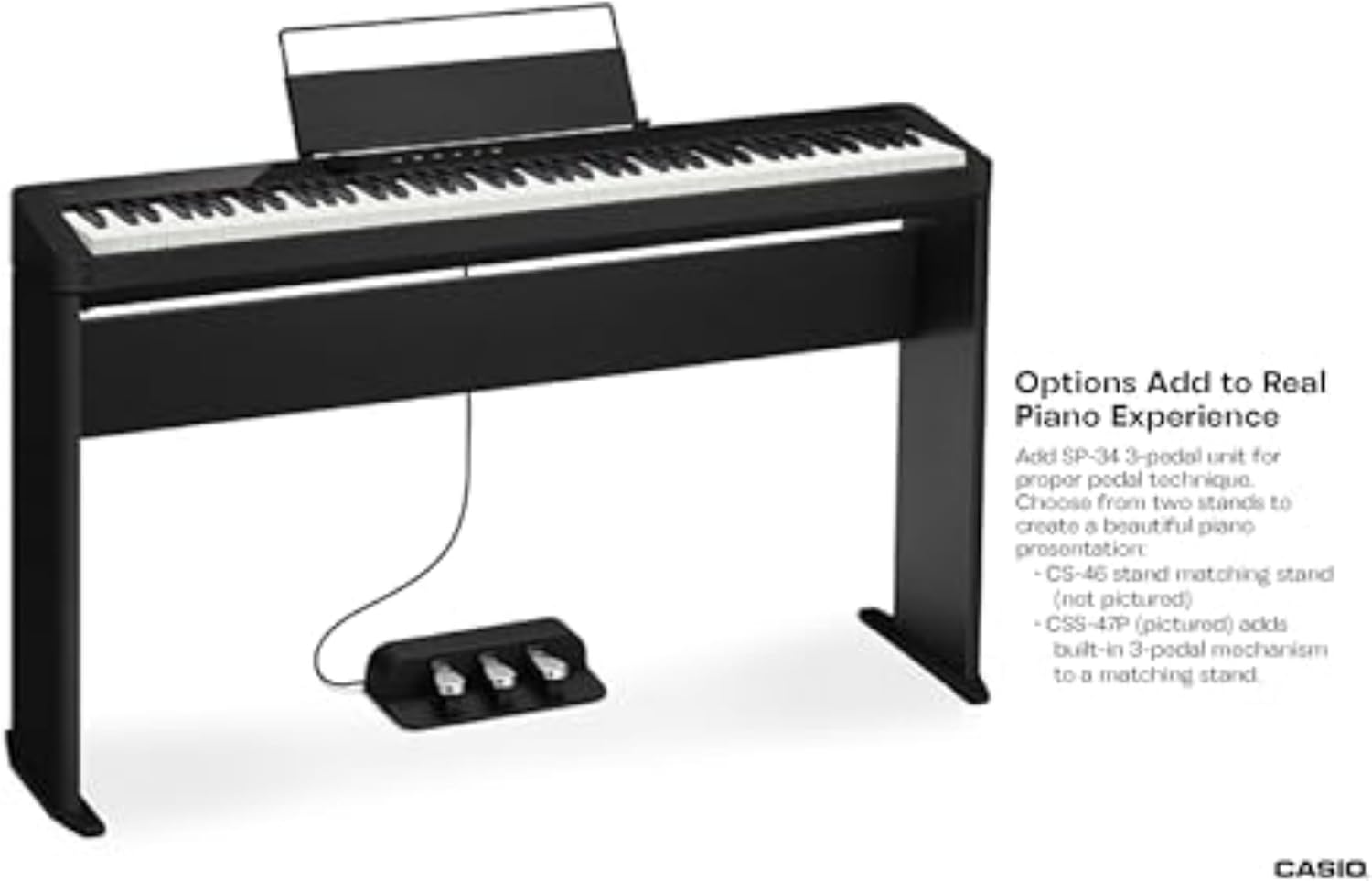
Figure 4.1: Modern Enhancements and setup options.
4.4 Bluetooth Connection (WU-BT10 Adapter)
Insert the WU-BT10 Bluetooth MIDI and audio adapter into the USB Type A port on the rear of the piano. This enables wireless connection to compatible devices for audio streaming and MIDI control.
4.5 Casio Music Space App Connection
Download the Casio Music Space app on your smartphone or tablet. Connect your device to the piano via Bluetooth (using the WU-BT10 adapter) or a USB cable. The app provides additional features for learning, practicing, and controlling piano functions.
5. Operating Instructions
5.1 Power On/Off and Volume
Press the power button to turn the piano on or off. Adjust the master volume using the rotary knob located on the left side of the control panel.
5.2 Sound Selection
The PX-S1100 features 18 built-in tones. Use the dedicated buttons or the function menu to select different sounds such as Grand Piano, Electric Piano, Organ, Strings, and more. The illuminated touch controls make selection intuitive.

Figure 5.1: Stunningly Realistic Piano Sound and More, showing illuminated controls.
5.3 Metronome
Activate the built-in metronome to assist with timing and rhythm practice. Adjust the tempo and beat using the control panel buttons.
5.4 Recording
The piano includes a built-in MIDI/audio recorder. Use the recording function to capture your performances for review or sharing.
5.5 Duet Mode
Engage Duet Mode to split the keyboard into two equal ranges, allowing two players to practice together on the same instrument. This is ideal for lessons or collaborative playing.
5.6 Connectivity (USB-MIDI)
Connect the piano to a computer or other MIDI devices via USB for advanced music production, notation software, or piano learning applications.

Figure 5.2: Powerful Sound Reproduction from the integrated speakers.
6. Maintenance
To ensure the longevity and optimal performance of your Casio Privia PX-S1100, follow these maintenance guidelines:
- Cleaning: Wipe the piano's surface with a soft, dry cloth. For stubborn dirt, use a slightly damp cloth and then dry thoroughly. Avoid abrasive cleaners or solvents.
- Storage: Store the piano in a cool, dry place away from direct sunlight, extreme temperatures, and high humidity.
- Handling: Handle the piano with care, especially when transporting. Avoid dropping or subjecting it to strong impacts.
7. Troubleshooting
If you encounter any issues with your Casio Privia PX-S1100, refer to the following common troubleshooting tips:
| Problem | Possible Cause | Solution |
|---|---|---|
| No sound | Volume too low; AC adapter not connected; headphones connected. | Increase volume; ensure AC adapter is securely connected; disconnect headphones. |
| Keys not responding | Power issue; internal malfunction. | Check power connection; power cycle the unit. If issue persists, contact support. |
| Bluetooth connection issues | WU-BT10 adapter not properly inserted; device not in pairing mode. | Ensure adapter is fully inserted; put device in pairing mode and retry connection. |
8. Specifications
| Specification | Detail |
|---|---|
| Model Name | PX-S1100BK |
| Item Model Number | PX-S1100BKC3 |
| Number of Keys | 88 |
| Key Type | Weighted, Touch-Responsive (Smart Scaled Hammer Action Keyboard) |
| Item Weight | 24.7 pounds |
| Product Dimensions | 9.13 x 52.05 x 9.13 inches |
| Connectivity Technology | Bluetooth, USB (MIDI USB) |
| Power Source | Corded Electric (AC Adapter), 6 AA batteries |
| Headphones Jack | 2.5mm Jack |
| Supported Software | Chordana Play app, DAWs, Notation software, Piano learning apps |
9. Warranty and Support
For warranty information and customer support, please refer to the official Casio website or contact their customer service directly. Keep your purchase receipt as proof of purchase for warranty claims.
For further assistance, visit the Casio Store on Amazon.


