
Sprwinautummer 036 919 081 A
Oil Pressure Sensor Switch User Manual
Brand: Sprwinautummer | Model: 036 919 081 A
1. Product Overview
The Sprwinautummer Oil Pressure Sensor Switch (Part No. 036 919 081 A) is a vital automotive component designed to monitor the oil pressure within your vehicle's engine. This sensor sends critical data to the engine control unit (ECU) or directly to the dashboard indicator, alerting the driver to low oil pressure conditions that could lead to severe engine damage. It operates at 12V and is built with durable metal contact materials for reliable performance.
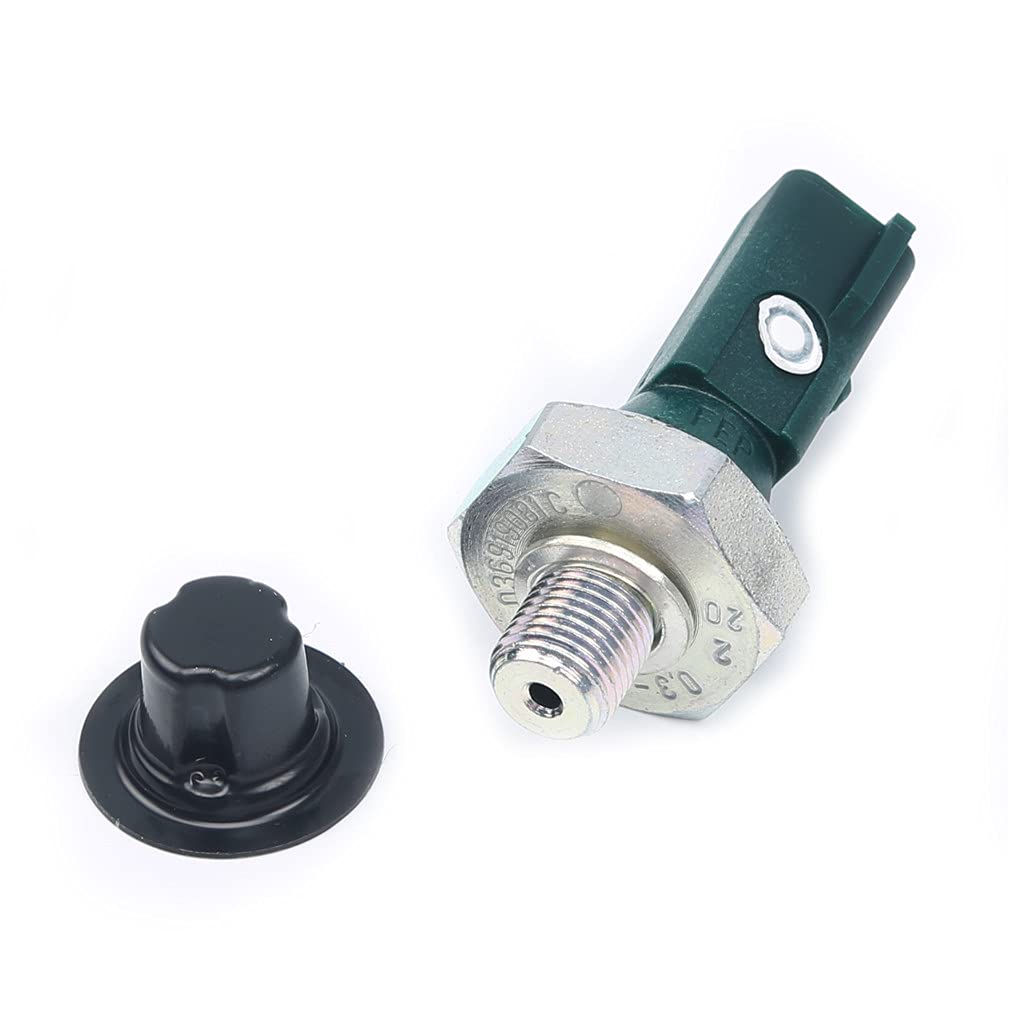
Figure 1: Main view of the Oil Pressure Sensor Switch.
2. Specifications
| Feature | Detail |
|---|---|
| Part Number | 036 919 081 A, 03C 919 081, 036 919 081 B, 036 919 081 C, 036 919 081 D, 06A 919 081 C |
| Other Part Numbers | 19014 6ZL, 008 280-001, 6ZL008280001, 114 820 0001, 1148200001, 108 891, 108891, 15-99-1999, 15991999, V15-99-1999, V15991999 |
| Voltage | 12V |
| Operation Mode | Hydraulic |
| Contact Type | Normally Open |
| Connector Type | Plug In |
| Terminal | Blade |
| Circuit Type | 1-way |
| Actuator Type | Electronic |
| Contact Material | Metal |
| Number of Positions | 1 |

Figure 2: Close-up of the sensor displaying part number and specifications.
3. Compatibility
This oil pressure sensor switch is designed as a replacement part for a wide range of Volkswagen (VW) and Audi vehicles. To ensure proper fitment, it is highly recommended to verify compatibility with your specific vehicle's VIN (Vehicle Identification Number) or chassis number before purchase and installation. Compatible models include, but are not limited to:
- VW Models: Jetta, Bora, MK4 Beetle, Passat B7, Golf, Eos, Caddy, Amarok, Golf Plus, Scirocco, CC, Polo, Tiguan, Touran, Sharan, Transporter.
- AUDI Models: A2, A3, A8, Q3, TT.
Please cross-reference the provided part numbers (036 919 081 A/C and others listed in specifications) with your original part to confirm compatibility.
4. Package Contents
Each package contains the following item:
- 1 x Engine Oil Pressure Switch

Figure 3: The oil pressure sensor switch with its protective cap.
5. Installation Guide
Installation of an oil pressure sensor switch typically involves working with engine components and fluids. For safety and proper function, professional installation by a qualified mechanic is strongly recommended. Incorrect installation can lead to oil leaks, engine damage, or inaccurate readings.
General steps (for informational purposes only, consult a service manual for your specific vehicle):
- Safety First: Ensure the vehicle is turned off, the engine is cool, and the battery is disconnected. Use appropriate safety gear.
- Locate the Old Sensor: The oil pressure sensor is typically located near the oil filter housing or on the engine block. Refer to your vehicle's service manual for the exact location.
- Prepare for Removal: Place a drain pan underneath the sensor to catch any residual oil that may leak during removal.
- Disconnect Wiring: Carefully disconnect the electrical connector from the old sensor.
- Remove Old Sensor: Use an appropriately sized wrench or socket to unscrew the old sensor.
- Install New Sensor: Apply a small amount of thread sealant (if not pre-applied) to the threads of the new sensor. Carefully screw the new sensor into place by hand to avoid cross-threading, then tighten it with a wrench to the manufacturer's specified torque. Do not overtighten.
- Reconnect Wiring: Reconnect the electrical connector to the new sensor, ensuring it clicks securely into place.
- Check for Leaks: Reconnect the battery, start the engine, and carefully check for any oil leaks around the newly installed sensor.
- Verify Function: Observe the oil pressure warning light on your dashboard. It should turn off after the engine starts. If it remains on, turn off the engine immediately and re-check the installation.

Figure 4: The electrical connector of the oil pressure sensor.
6. Operation
The oil pressure sensor switch functions by detecting the pressure of the engine oil. When the engine is running, the oil pump circulates oil throughout the engine, creating pressure. The sensor is designed to close or open an electrical circuit based on whether the oil pressure is above or below a predetermined threshold (e.g., 0.3-0.6 bar as indicated on some sensors). If the oil pressure drops below this safe operating level, the sensor triggers a warning light on the vehicle's dashboard, alerting the driver to a potential issue that requires immediate attention.
7. Maintenance
Oil pressure sensors are generally maintenance-free components. However, it is advisable to:
- Regularly Check for Leaks: Periodically inspect the area around the sensor for any signs of oil leaks.
- Monitor Dashboard Warnings: Pay attention to your vehicle's oil pressure warning light. If it illuminates, investigate the cause promptly.
- Ensure Proper Oil Levels: Always maintain the correct engine oil level as specified by your vehicle manufacturer. Low oil levels can lead to low oil pressure, which the sensor will accurately report.
8. Troubleshooting
If you experience issues related to your oil pressure sensor, consider the following common scenarios:
Oil Pressure Warning Light Stays On
- Low Oil Level: Check your engine oil level and add oil if necessary.
- Faulty Sensor: The sensor itself may be defective and providing an inaccurate reading.
- Wiring Issue: Inspect the electrical connector and wiring for any damage or corrosion.
- Actual Low Oil Pressure: This is a serious issue. It could indicate a failing oil pump, clogged oil passages, or severe internal engine wear. If the light stays on after checking oil level, stop driving immediately and have your vehicle inspected by a professional.
Oil Pressure Warning Light Flickers
- Intermittent Connection: A loose or corroded electrical connection to the sensor.
- Borderline Oil Pressure: Oil pressure may be fluctuating near the warning threshold, possibly due to low oil level, incorrect oil viscosity, or a worn oil pump.
Oil Leak Around Sensor
- Improper Installation: The sensor may not be tightened correctly or the threads may be damaged.
- Damaged Seal/Gasket: The sealing washer or O-ring may be damaged or missing.
Always consult a professional mechanic for accurate diagnosis and repair of automotive issues.
9. Official Product Video
Video 1: A detailed visual overview of the Sprwinautummer Oil Pressure Sensor Switch, showcasing its design and features.
Ask a question about this manual
Ask about setup, troubleshooting, compatibility, parts, safety, or missing instructions. Manuals+ will review the question and use this page’s manual context to help answer it.