1. Introduction
This manual provides comprehensive instructions for the LASE Compatible Aftermarket Passive 2-Way Crossover Network. This component is designed to accurately divide audio frequencies between a woofer and a tweeter in a 2-way speaker system, ensuring optimal sound reproduction. It is compatible with JBL-TR125, TR-105, and TR-126 speaker models.
2. Product Overview
The LASE Passive 2-Way Crossover Network is a robust electronic circuit designed to manage audio signals. It features high-quality inductors (coils), capacitors, and resistors to achieve a precise 2 kHz crossover frequency. The unit is housed on a durable circuit board with clearly marked connection points for easy installation.

Figure 2.1: Top view of the crossover network, illustrating the main circuit board components including inductors and capacitors.
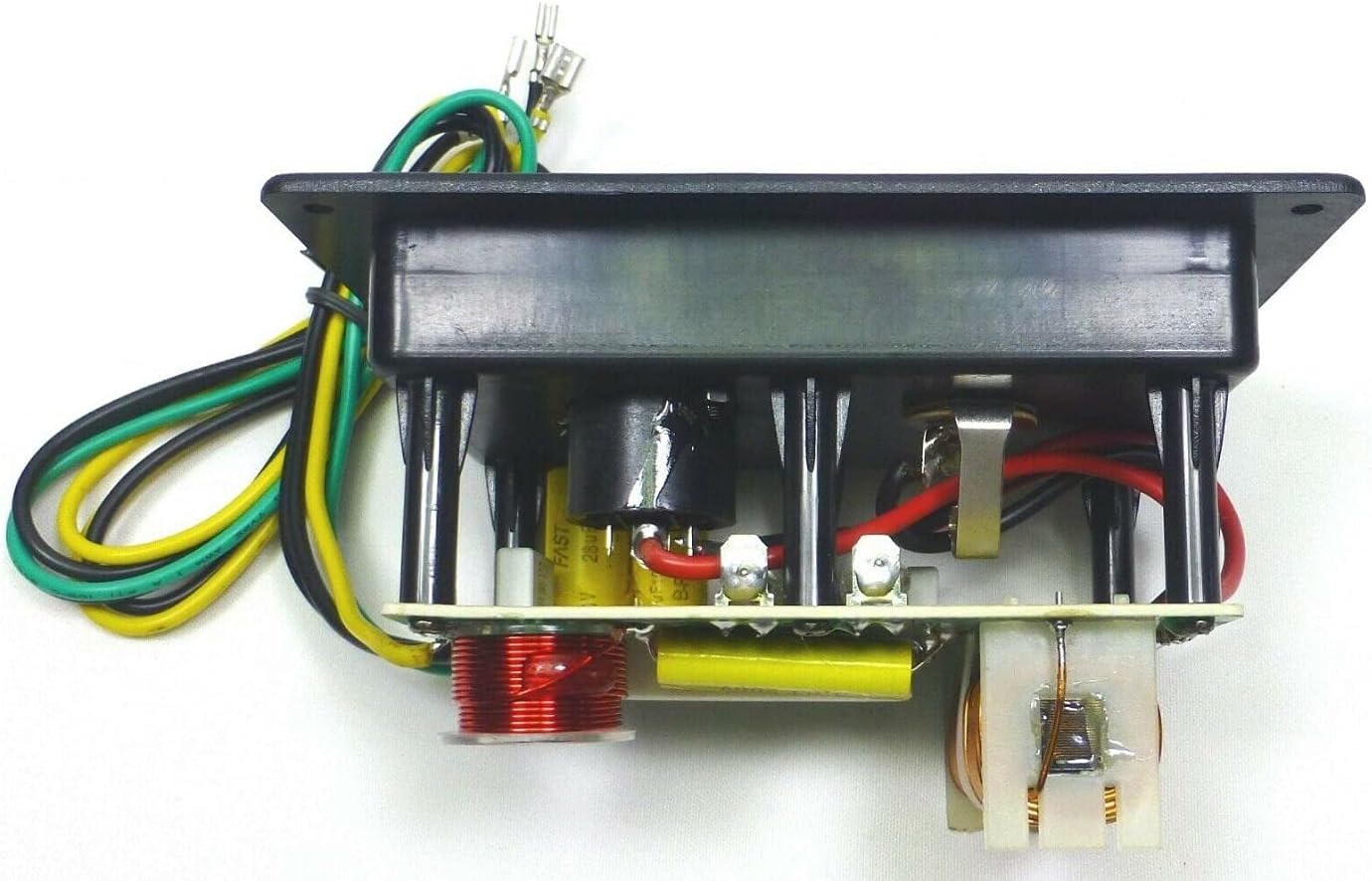
Figure 2.2: Side profile of the crossover network, highlighting the compact design and component arrangement.
3. Specifications
- Crossover Frequency: 2 kHz
- Dimensions (Length x Width x Depth): 5.5 inches (139.7mm) x 4 inches (101.6mm) x 3.5 inches (88.9mm)
- Weight: Approximately 2 pounds
- Compatibility: Designed for JBL-TR125, TR-105, TR-126 speaker systems
4. Setup and Installation
Proper installation is crucial for optimal performance. Ensure all connections are secure and correctly polarized.

Figure 4.1: Input/Output terminal plate with clearly labeled connections.
- Mounting: Securely mount the crossover network within the speaker enclosure. The unit features a mounting plate with pre-drilled holes for easy installation.
- Input Connection: Connect the audio signal from your amplifier to the input terminals of the crossover network. Observe correct polarity (+ to + and - to -).
- Woofer Output: Connect the designated 'Woofer' output terminals from the crossover to your speaker's woofer driver.
- Tweeter Output: Connect the designated 'Tweeter' output terminals from the crossover to your speaker's tweeter driver.
- Verification: Double-check all connections for tightness and correct polarity before applying power to the amplifier.

Figure 4.2: Bottom view showing the mounting plate.
5. Operation
As a passive component, the crossover network operates automatically once correctly installed. It requires no external power source. Its function is to filter the full-range audio signal from your amplifier, sending low frequencies to the woofer and high frequencies to the tweeter, based on its 2 kHz crossover point.
6. Maintenance
The LASE Passive 2-Way Crossover Network is designed for durability and requires minimal maintenance. Follow these guidelines:
- Environment: Ensure the crossover is installed in a dry environment, protected from moisture and extreme temperatures.
- Cleaning: If necessary, gently clean the exterior with a dry, soft cloth. Do not use liquid cleaners or solvents.
- Inspection: Periodically inspect connections for any signs of corrosion or loosening.
7. Troubleshooting
If you experience issues with your speaker system after installing the crossover, consider the following:
- No Sound from Woofer/Tweeter:
- Check all wiring connections for the affected driver. Ensure they are secure and correctly polarized.
- Verify the driver itself is functioning correctly by testing it independently if possible.
- Distorted Sound:
- Ensure the amplifier is not overdriving the speaker system.
- Check for loose connections or damaged wiring.
- Confirm that the crossover is correctly matched to your speaker drivers' impedance.
- Imbalanced Sound:
- Re-check polarity for all drivers. Incorrect polarity can cause phase issues and sound cancellation.
8. Warranty and Support
For warranty information or technical support regarding your LASE Compatible Aftermarket Passive 2-Way Crossover Network, please refer to the original purchase documentation or contact your retailer. Keep your proof of purchase for any warranty claims.