
1. Introduction
This manual provides essential information for the safe and efficient operation, maintenance, and care of your Renault 4 vehicle. Please read it thoroughly to familiarize yourself with the vehicle's features and functions.
Adhering to the instructions and recommendations in this manual will help ensure the longevity and optimal performance of your Renault 4.
2. Product Overview
The Renault 4 is a versatile and robust vehicle designed for reliability and practicality. Understanding its basic components is crucial for proper use.
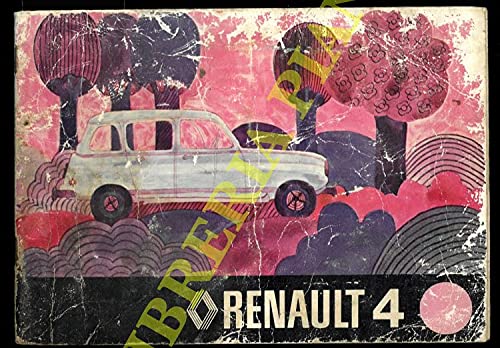
Figure 2.1: Cover of the Renault 4 Owner's Manual. This image displays the front cover of the official instruction manual, providing a visual reference for the document's identity.
3. Initial Setup and Checks
3.1. Pre-Operation Checks
Before operating the vehicle, perform the following checks:
- Fluid Levels: Verify engine oil, coolant, brake fluid, and windshield washer fluid levels are within recommended ranges.
- Tire Pressure: Check all tire pressures, including the spare, against the specifications found on the driver's side door jamb or in the specifications section of this manual.
- Lights and Signals: Ensure all exterior lights (headlights, tail lights, turn signals, brake lights) and interior lights are functioning correctly.
- Brakes: Confirm brake pedal feels firm and responsive.
3.2. Controls Familiarization
Familiarize yourself with the location and function of all controls before driving:
- Dashboard Instruments: Understand the speedometer, fuel gauge, warning lights, and indicators.
- Steering Wheel Controls: Locate horn, turn signal lever, and wiper controls.
- Pedals: Identify the accelerator, brake, and clutch (if applicable) pedals.
- Gear Selector: Understand the gear shift pattern for manual transmissions or the selector positions for automatic transmissions.
4. Operating Instructions
4.1. Starting the Engine
- Ensure the parking brake is engaged.
- For manual transmission, depress the clutch pedal fully. For automatic, ensure the gear selector is in 'P' (Park) or 'N' (Neutral).
- Insert the key into the ignition and turn it to the 'ON' position. Wait for indicator lights to illuminate.
- Turn the key further to the 'START' position. Release the key once the engine starts. Do not crank for more than 10 seconds.
4.2. Driving the Vehicle
Always drive defensively and observe all traffic laws. Adjust your driving to road and weather conditions.
- Gear Shifting: Shift gears smoothly to maintain optimal engine RPM and fuel efficiency.
- Braking: Apply brakes smoothly and progressively. Avoid sudden braking unless in an emergency.
- Steering: Maintain a firm grip on the steering wheel and make smooth, controlled steering inputs.
4.3. Stopping and Parking
- Gradually reduce speed and apply brakes to come to a complete stop.
- For manual transmission, shift to neutral and engage the parking brake. For automatic, shift to 'P' (Park) and engage the parking brake.
- Turn off the engine by rotating the ignition key to the 'OFF' position and remove the key.
5. Maintenance
Regular maintenance is crucial for the safety, reliability, and performance of your Renault 4.
5.1. Routine Checks
- Engine Oil: Check oil level weekly and top up if necessary. Refer to the specifications for the correct oil type.
- Coolant: Inspect coolant level in the reservoir regularly. Ensure it is between MIN and MAX marks when the engine is cold.
- Brake Fluid: Check the brake fluid level monthly. A low level may indicate worn brake pads or a leak.
- Wiper Blades: Inspect wiper blades for wear and replace them if they streak or chatter.
5.2. Scheduled Maintenance
Refer to the official Renault 4 service schedule for detailed maintenance intervals, which typically include:
- Oil and filter changes
- Air filter replacement
- Spark plug replacement
- Brake system inspection and service
- Timing belt inspection/replacement (if applicable)
5.3. Tire Care
Proper tire maintenance extends tire life and ensures safe driving.
- Rotation: Rotate tires every 5,000-7,500 miles to promote even wear.
- Alignment: Have wheel alignment checked periodically, especially after hitting potholes or experiencing uneven tire wear.
- Tread Depth: Replace tires when tread depth reaches the minimum legal limit or wear indicators are visible.
6. Troubleshooting
This section provides solutions for common issues you might encounter with your Renault 4.
| Problem | Possible Cause | Solution |
|---|---|---|
| Engine won't start | Flat battery, faulty starter, no fuel | Check battery terminals, jump start, check fuel level, consult a mechanic |
| Overheating engine | Low coolant, faulty thermostat, radiator blockage | Check coolant level, inspect radiator, seek professional service |
| Brakes feel spongy | Air in brake lines, low brake fluid, worn brake pads | Check fluid level, bleed brakes, replace pads, consult a mechanic |
| Unusual noises | Loose components, worn bearings, exhaust leak | Identify source of noise, tighten fasteners, seek professional inspection |
7. Specifications
Key technical specifications for the Renault 4 (typical values, may vary by year and trim):
- Engine Type: Inline 4-cylinder, petrol
- Displacement: 747 cc to 1108 cc (depending on model)
- Fuel Tank Capacity: Approximately 34 liters (9 US gallons)
- Transmission: 3-speed or 4-speed manual
- Dimensions (L x W x H): Approx. 3668 mm x 1430 mm x 1440 mm
- Weight: Approx. 600-750 kg (empty)
- Tire Size: Typically 135R13 or 145R13
8. Warranty and Support
For information regarding your vehicle's warranty coverage, please refer to the separate warranty booklet provided at the time of purchase. Warranty terms and conditions may vary based on region and model year.
For technical assistance, service appointments, or genuine Renault parts, please contact your authorized Renault dealer or service center. You can find contact details on the official Renault website or in your vehicle's documentation.


