
Dynamic Friction Company 600-21047
Dynamic Friction Company Rear Brake Rotor 600-21047 User Manual
Model: 600-21047 | Brand: Dynamic Friction Company
Product Overview
This manual provides essential information for the proper installation, operation, and maintenance of your Dynamic Friction Company Rear Brake Rotor 600-21047. This high-quality brake rotor is engineered to meet or exceed OEM specifications, ensuring reliable and safe braking performance for your vehicle.
The Dynamic Friction Company Rear Brake Rotor 600-21047 is designed for 2021-2022 Hyundai Santa Fe and 2021-2022 Kia Sorento models.
Key Features:
- Engineered with premium G3000/G11H18 iron castings for strength, stability, and durability.
- CNC-machined to the tightest tolerances.
- 100% precision mill-balanced for smoother stopping and zero vibration at any speed.
- Non-directional finish to promote faster break-in and smoother stops.
- Designed to meet the same form, fit, and function as OEM brake rotors.
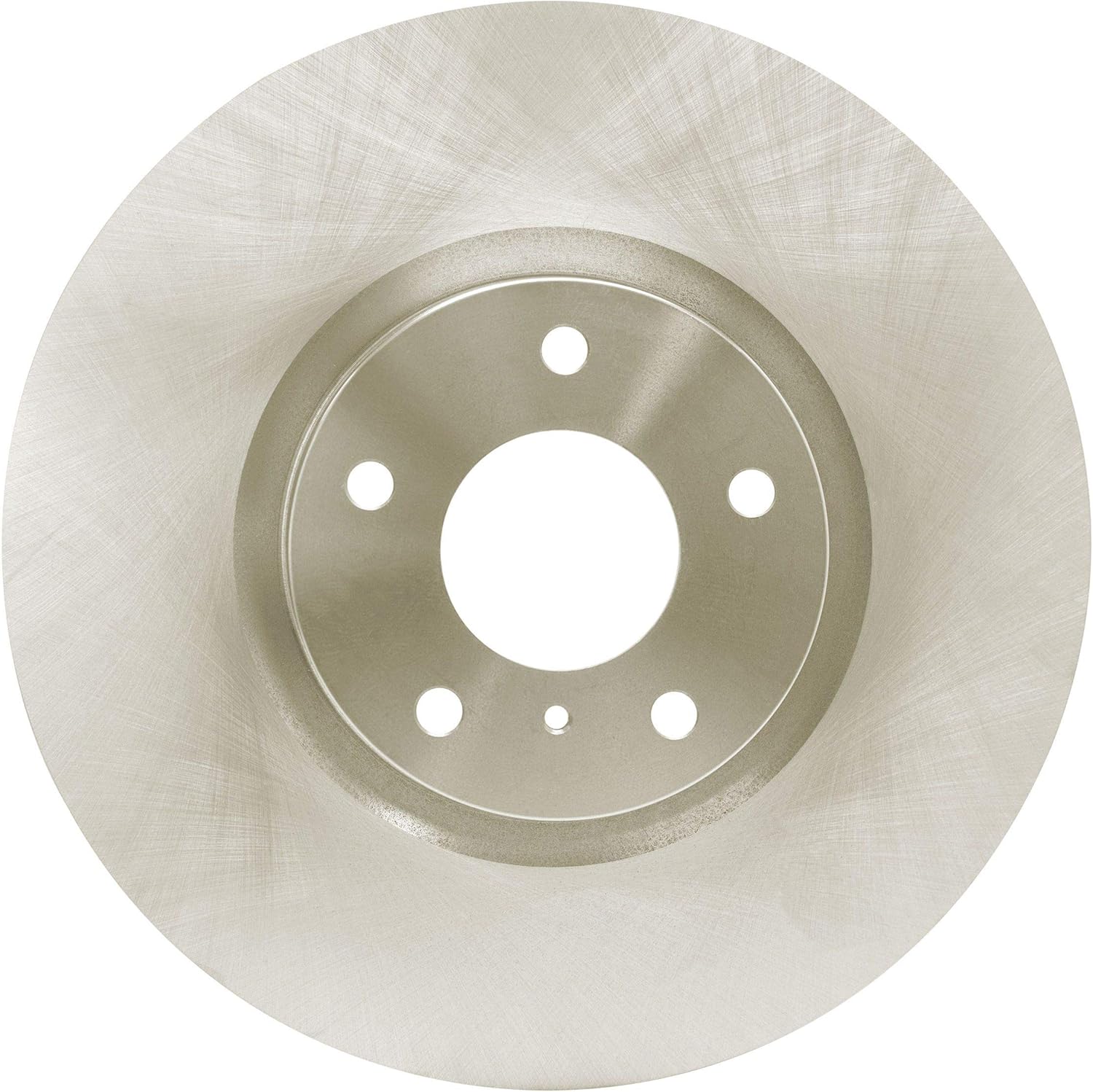
Figure 1: Dynamic Friction Company Rear Brake Rotor 600-21047.
Installation and Setup
Installation of brake rotors should be performed by a qualified automotive technician. Improper installation can lead to brake system failure and serious injury. Always refer to your vehicle's specific service manual for detailed instructions and torque specifications.
General Installation Steps:
- Safety First: Ensure the vehicle is securely lifted and supported on jack stands. Disconnect the negative battery terminal if working near electrical components.
- Remove Wheel: Loosen lug nuts, raise vehicle, remove wheel.
- Remove Caliper: Carefully unbolt the brake caliper from its mounting bracket. Do not let the caliper hang by the brake hose; support it with a wire or bungee cord.
- Remove Old Rotor: Remove any retaining screws or clips, then slide the old brake rotor off the wheel hub. If stuck, use a rubber mallet to gently tap it loose.
- Clean Hub Surface: Thoroughly clean the wheel hub mounting surface to remove any rust, dirt, or debris. A clean surface is crucial for proper rotor seating and to prevent runout.
- Install New Rotor: Carefully slide the new Dynamic Friction Company rotor onto the wheel hub, ensuring it sits flush against the mounting surface.
- Reinstall Caliper: Reinstall the brake caliper and its mounting bracket, ensuring all bolts are torqued to the manufacturer's specifications.
- Bleed Brakes (if necessary): If brake lines were opened, bleed the brake system according to your vehicle's service manual.
- Reinstall Wheel: Mount the wheel, hand-tighten lug nuts, lower vehicle, and torque lug nuts to specifications.
- Break-in Procedure: Follow the recommended break-in procedure for new brake rotors and pads (see "Operating" section).

Figure 2: Technical drawing illustrating the dimensions of the brake rotor.
Operating Instructions
Proper operation and break-in are crucial for maximizing the performance and lifespan of your new brake rotors.
Brake Rotor Break-in (Bedding-in) Procedure:
The bedding-in process transfers a thin, even layer of brake pad material onto the rotor surface, which is essential for optimal braking performance and to prevent premature wear or noise.
- Find a safe, open area with minimal traffic.
- Accelerate to approximately 35 mph (56 km/h).
- Apply moderate braking pressure to slow down to about 5 mph (8 km/h). Do not come to a complete stop.
- Release the brakes and drive for a short distance (approx. 30 seconds) to allow the brakes to cool slightly.
- Repeat steps 2-4 about 8-10 times. You may notice a slight smell from the brakes; this is normal.
- After the last stop, drive for several minutes without braking to allow the entire brake system to cool down completely. Avoid hard braking during this cool-down period.
After the break-in procedure, avoid aggressive braking for the first 200-300 miles (320-480 km) to allow the pads and rotors to fully seat.

Figure 3: The non-directional finish on the rotor surface promotes faster break-in and smoother stops.
Maintenance
Regular inspection and maintenance are vital for the longevity and safety of your brake system.
Recommended Maintenance Schedule:
- Every Oil Change (or 5,000-7,500 miles / 8,000-12,000 km): Inspect brake pads for wear, rotors for signs of scoring, cracks, or excessive rust. Check brake fluid level and condition.
- Annually: Have a professional inspect the entire brake system, including calipers, hoses, and lines. Consider flushing and replacing brake fluid every 2-3 years or as recommended by your vehicle manufacturer.
Signs of Wear or Damage:
- Vibration or Pulsation: A common sign of warped or unevenly worn rotors.
- Squealing or Grinding Noise: Indicates worn brake pads or severe rotor damage.
- Reduced Braking Performance: Longer stopping distances or a spongy brake pedal.
- Visible Cracks or Deep Grooves: Rotors should be replaced immediately if these are present.
Always replace brake rotors in pairs (both left and right on the same axle) to ensure balanced braking performance.

Figure 4: Dynamic Friction Company rotors undergo rigorous inspection to ensure they meet OE specifications.
Troubleshooting
This section addresses common issues related to brake rotors. If you experience persistent problems, consult a professional mechanic.
| Problem | Possible Cause | Solution |
|---|---|---|
| Brake Pedal Pulsation/Vibration | Warped rotors, uneven pad transfer, improper break-in. | Re-bed pads/rotors, inspect for runout, replace rotors if severely warped. |
| Squealing/Grinding Noise | Worn pads, foreign debris, glazed rotors, improper installation. | Inspect pads/rotors, clean brake components, replace worn parts. |
| Reduced Braking Effectiveness | Overheated brakes (fade), worn pads/rotors, air in brake lines. | Allow brakes to cool, inspect for wear, bleed brake system. |
| Excessive Rust on Rotor Surface | Normal surface rust after rain/washing, or prolonged disuse. | Light surface rust will be worn off with normal braking. If severe or causing noise, inspect for pitting. |
Specifications
| Attribute | Detail |
|---|---|
| Brand | Dynamic Friction Company |
| Model | Dynamic Friction Company Premium Brake Rotor |
| Item Model Number | 600-21047 |
| OEM Part Number | 58411R5000 |
| UPC | 195700626985 |
| Material | Iron (G3000/G11H18 castings) |
| Exterior Finish | Unfinished (Non-directional) |
| Position | Rear |
| Item Weight | 11.8 pounds |
| Product Dimensions | 12.4 x 12.4 x 1.52 inches |
| Country of Origin | China |
| Vehicle Service Type | Trucks, Cars, SUV |
What's in the Box
- 1 Dynamic Friction Company Disc Brake Rotor
Note: Brake pads and other necessary installation hardware are sold separately.
Official Product Video
Video 1: "Dynamic Friction Rotors G3000" - This video highlights the key features and benefits of Dynamic Friction Company G3000 brake rotors, including their manufacturing process, precision balancing, and non-directional finish.
Warranty and Support
Dynamic Friction Company products are manufactured to high standards. For specific warranty information, please refer to the documentation included with your purchase or visit the official Dynamic Friction Company website. For technical support or inquiries, please contact Dynamic Friction Company customer service.
You can visit the Dynamic Friction Company Store on Amazon for more product information.
About Dynamic Friction Company
Dynamic Friction Company is committed to building trust and confidence with customers by setting the standard for safety and performance in the automotive braking industry.

Figure 5: Dynamic Friction Company's commitment to safety and performance.
Ask a question about this manual
Ask about setup, troubleshooting, compatibility, parts, safety, or missing instructions. Manuals+ will review the question and use this page’s manual context to help answer it.