
Introduction
This manual provides essential information for the safe and efficient operation, maintenance, and troubleshooting of your Briggs & Stratton Vanguard Series Twin Cylinder 4-Cycle Gas Engine, model 356776-0013-G1. Please read this manual thoroughly before operating the engine to ensure proper use and to prevent injury or damage.
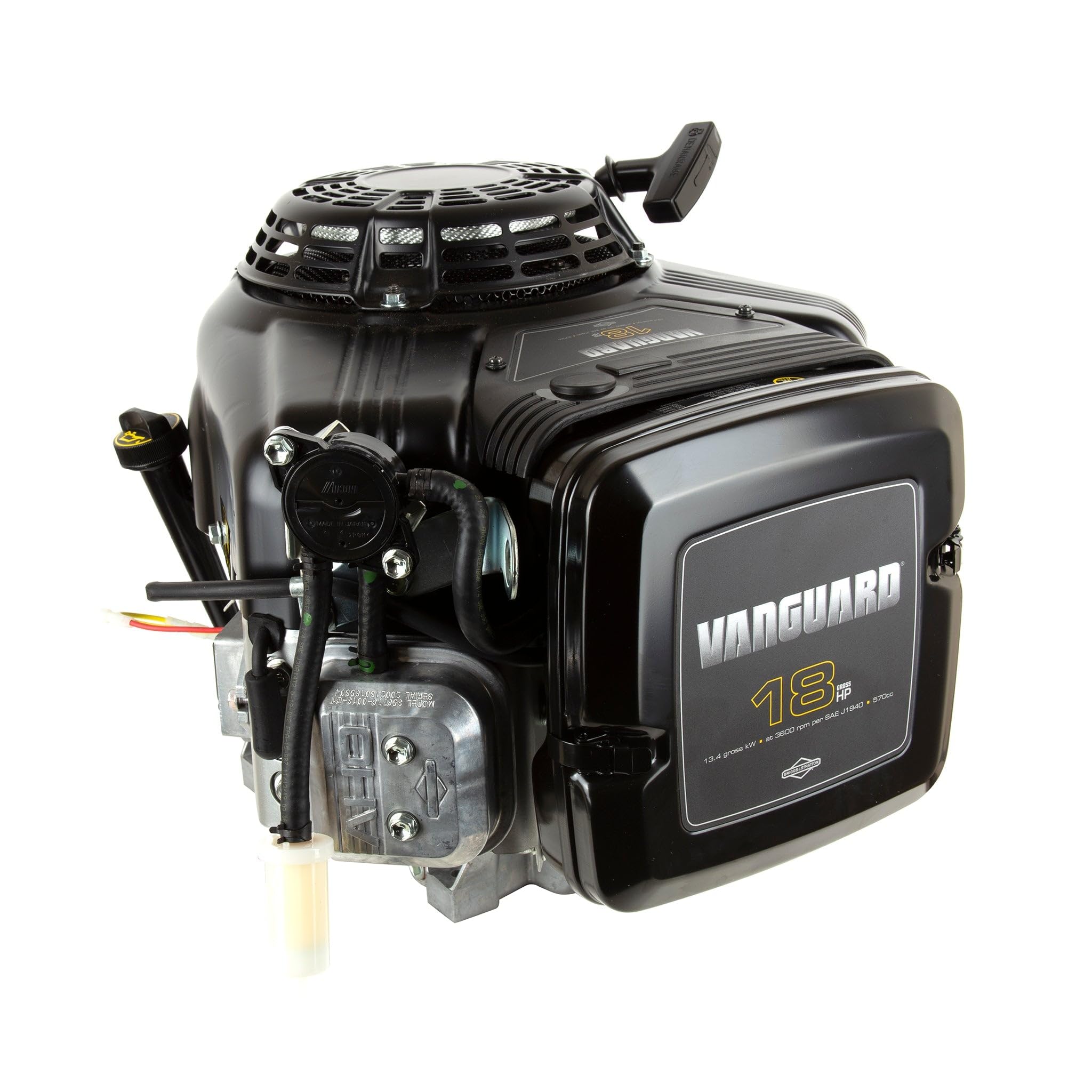
Figure 1: Front-right view of the Briggs & Stratton Vanguard Series Gas Engine. This image shows the overall design, including the air filter housing and cooling fan cover.
Safety Information
Always observe safety precautions to prevent serious injury or death. This engine produces carbon monoxide, a colorless, odorless, poisonous gas. Operate only in well-ventilated areas.
- Read the Manual: Familiarize yourself with all instructions and warnings before operation.
- Fuel Safety: Gasoline is highly flammable. Store fuel in approved containers, away from ignition sources. Refuel outdoors and do not smoke while refueling.
- Hot Surfaces: Engine components, especially the muffler, become very hot during operation and remain hot for a period after shutdown. Avoid contact.
- Moving Parts: Keep hands, feet, and clothing away from moving parts such as the flywheel and crankshaft.
- Ventilation: Ensure adequate ventilation when operating the engine to prevent carbon monoxide poisoning.
- Maintenance: Disconnect the spark plug wire before performing any maintenance or adjustments to prevent accidental starting.
Setup and Installation
Proper setup is crucial for engine performance and longevity. Ensure the engine is securely mounted and all connections are correct.
1. Unpacking and Inspection
Carefully remove the engine from its packaging. Inspect for any shipping damage. Report any damage to your dealer immediately.
2. Mounting the Engine
Mount the engine on a stable, level surface using appropriate hardware. Ensure proper alignment with the driven equipment. Refer to the equipment manufacturer's instructions for specific mounting requirements.
3. Adding Engine Oil
The engine is shipped without oil. Fill the crankcase with the recommended type and amount of oil. Refer to the "Maintenance" section for oil specifications.
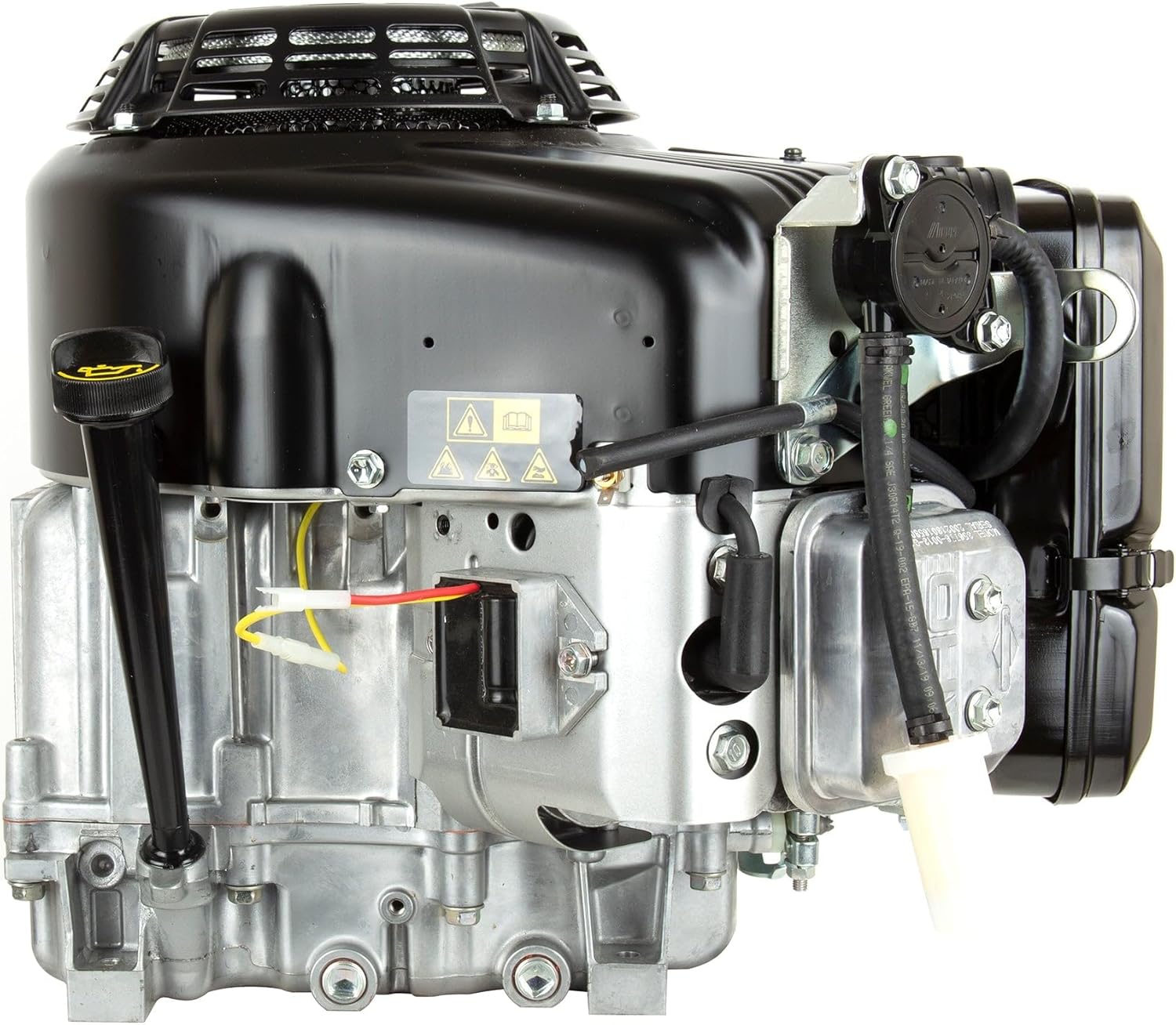
Figure 2: Left side view of the engine, highlighting the oil fill/dipstick location. Always check oil levels before starting.
4. Adding Fuel
Use clean, fresh, unleaded gasoline with an octane rating of 87 or higher. Do not use E85 fuel. Fill the fuel tank carefully, avoiding spills.
Operating Instructions
1. Pre-Start Checks
- Check engine oil level.
- Ensure fuel tank is adequately filled.
- Inspect air filter for cleanliness.
- Verify all connections are secure.
2. Starting the Engine
- Ensure the equipment is in neutral or disengaged.
- Move the throttle control to the "FAST" position.
- If the engine is cold, move the choke control to the "CHOKE" position.
- Engage the starter (electric start or recoil starter).
- Once the engine starts, gradually move the choke control to the "RUN" position.
3. Stopping the Engine
- Move the throttle control to the "SLOW" or "IDLE" position.
- Move the engine switch to the "OFF" position.
Maintenance
Regular maintenance is essential for optimal performance and extended engine life. Always refer to the maintenance schedule in the full owner's manual for detailed intervals.
1. Engine Oil
- Check Oil Level: Before each use.
- Change Oil: After the first 5 hours of operation, then every 50 hours or annually, whichever comes first. Use Briggs & Stratton SAE 30W oil or a high-quality detergent oil classified for service SF, SG, SH, SJ, SL, or SM.

Figure 3: Right side view of the engine, showing the spin-on oil filter. Replace the oil filter during every oil change.
2. Air Filter
- Check: Every 25 hours or annually.
- Clean/Replace: More frequently in dusty conditions. Refer to the full manual for cleaning instructions.
3. Spark Plug
- Inspect/Clean: Every 100 hours or annually.
- Replace: As needed. Ensure correct gap setting.
4. Fuel Filter
- Inspect/Replace: Annually or as needed.
Troubleshooting
This section addresses common issues. For more complex problems, consult a qualified service technician.
| Problem | Possible Cause | Solution |
|---|---|---|
| Engine will not start | No fuel; stale fuel; spark plug issue; low oil level; choke not set correctly. | Add fresh fuel; replace spark plug; check oil level; adjust choke. |
| Engine runs poorly | Dirty air filter; stale fuel; incorrect spark plug gap; carburetor issue. | Clean/replace air filter; drain and refill with fresh fuel; check/adjust spark plug gap. |
| Engine overheats | Low oil level; blocked cooling fins; operating in high ambient temperatures. | Check/add oil; clean cooling fins; ensure proper ventilation. |
Specifications
- Model: 356776-0013-G1
- Engine Type: Twin Cylinder, 4-Cycle Gas Engine
- Displacement: 570cc
- Crankshaft: 1" x 3-3/16"
- Product Dimensions: 22.25 x 19.63 x 19.63 inches
- Item Weight: 87 pounds
- Manufacturer: Briggs and Stratton
Dimensional Drawings
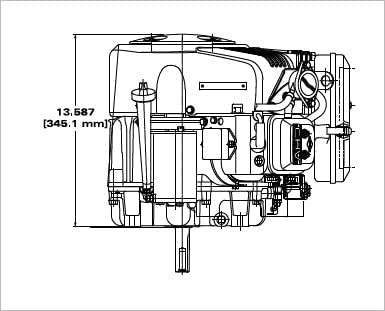
Figure 4: Side view dimensional drawing of the engine.
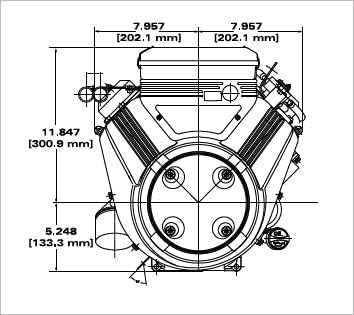
Figure 5: Front view dimensional drawing of the engine.
Warranty Information
Briggs & Stratton engines are covered by a limited warranty. The specific terms and duration of the warranty may vary based on the engine model and region. Please refer to the official Briggs & Stratton warranty statement included with your engine or visit the official Briggs & Stratton website for complete details. Keep your proof of purchase for warranty claims.
Support and Contact
For further assistance, technical support, or to locate an authorized service dealer, please visit the official Briggs & Stratton website or contact their customer service.
- Official Website: www.briggsandstratton.com
- Product Information Link: Vanguard Engine Information
- Service Locator: Use the dealer locator tool on the official website to find a service center near you.