
1. Introduction
This manual provides essential information for the proper installation, operation, and maintenance of your AIPICO 1/4 inch In-Tank Fuel Filter with Ball Check Valve. Designed for universal application in fuel systems, this filter ensures clean fuel delivery while preventing backflow.
2. Product Overview
The AIPICO In-Tank Fuel Filter is a direct replacement component designed to fit 7/32" and 1/4" fuel lines. It features a durable construction with a metal outer material and a stainless steel mesh screen for effective filtration. A key characteristic is the integrated ball check valve, which permits fuel flow in one direction only, typically towards the carburetor, preventing fuel drain-back.

Figure 2.1: Two AIPICO In-Tank Fuel Filters. Each filter consists of a brass barb fitting, a fine mesh screen, and a retaining spring, designed for in-tank fuel line connection.
2.1 Key Features:
- Direct Replacement: Designed to replace existing in-tank fuel filters.
- Universal Fit: Compatible with 7/32" and 1/4" fuel lines.
- Integrated Ball Check Valve: Ensures one-way fuel flow, preventing fuel from draining back into the tank.
- Durable Construction: Made with metal components for longevity and high performance.
- Effective Filtration: Screens out particles to protect the fuel system.
3. Specifications
| Attribute | Detail |
|---|---|
| Brand | AIPICO |
| Model Numbers | 07241, 127311 |
| Item Diameter | 0.25 Inches (1/4 inch) |
| Outer Material | Metal |
| Style | In-Tank |
| Vehicle Service Type | Light Truck, Passenger Car (Universal) |
| Item Weight | 0.634 ounces (approx. 0.02 Kilograms) |
| UPC | 791541357684 |
4. Setup and Installation
Proper installation is crucial for the effective operation of the fuel filter and check valve. Always ensure the vehicle's fuel system is depressurized and cooled before beginning any work. Wear appropriate safety gear, including eye protection and gloves.
4.1 Tools and Materials Required:
- Fuel line clamps or pliers
- Appropriate size fuel hose (if replacing)
- Container for draining fuel
- Safety glasses and gloves
4.2 Installation Steps:
- Safety First: Disconnect the vehicle's battery. Ensure the work area is well-ventilated and free from ignition sources.
- Access Fuel Tank: Depending on the vehicle or equipment, you may need to remove the fuel tank or access it from an inspection port.
- Drain Fuel (if necessary): If the tank needs to be removed or if working directly inside, drain the fuel into an approved container.
- Locate Existing Filter: Identify the current in-tank fuel filter or the intended location for the new filter on the fuel pickup line.
- Remove Old Filter: Carefully disconnect the fuel line from the old filter. Be prepared for residual fuel leakage.
- Install New Filter:
- Connect the AIPICO filter to the fuel pickup line. Ensure a snug fit.
- The ball check valve inside the screen is designed to allow fuel to flow only towards the carburetor/engine. Install the filter with the barb end pointing towards the fuel line that leads to the engine. The screen end should be submerged in the fuel.
- Secure the connection with a fuel-rated clamp if not already integrated.
- Verify Connections: Double-check all connections for tightness to prevent leaks.
- Test System: Reconnect the battery. Prime the fuel system if required by your vehicle. Check for any fuel leaks before operating the vehicle or equipment.

Figure 4.1: Top view of the fuel filter, illustrating the barb opening where the fuel line connects. This end should point towards the engine.
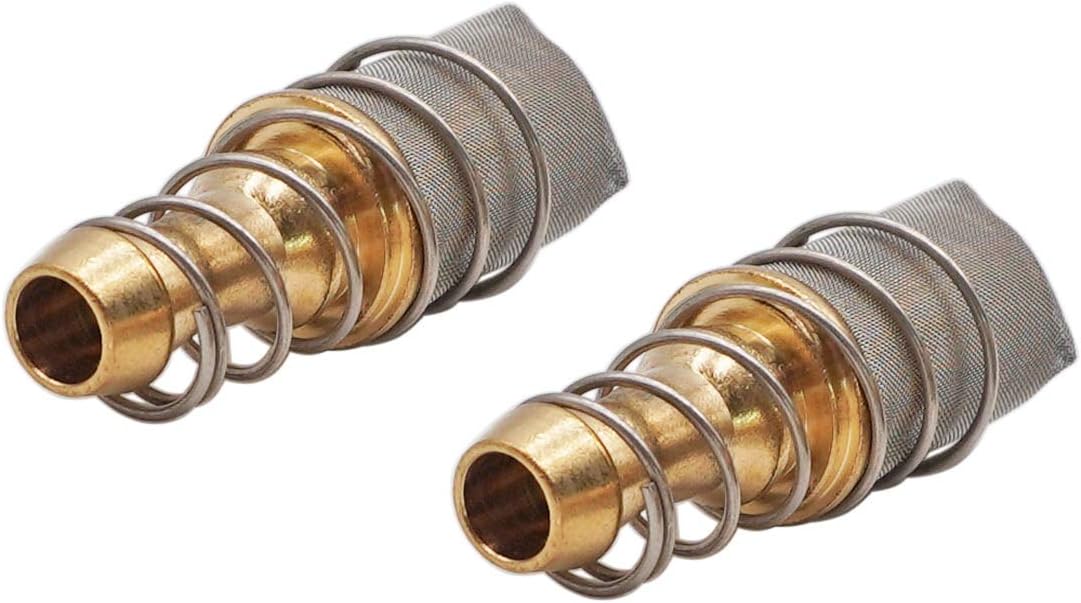
Figure 4.2: Angled view of the fuel filters, showing the overall construction. The mesh screen is designed to be submerged in the fuel tank.
5. Operating Principles
Once installed, the AIPICO In-Tank Fuel Filter operates continuously to protect your engine. The primary function of the filter is to prevent debris and contaminants from entering the fuel pump and carburetor/injectors. The integrated ball check valve plays a critical role by:
- Preventing Fuel Drain-Back: When the engine is off, the check valve closes, holding fuel in the line and preventing it from flowing back into the tank. This helps maintain fuel prime, making starting easier, especially in systems where the fuel tank is lower than the carburetor.
- Ensuring One-Way Flow: The valve ensures that fuel only travels from the tank to the engine, maintaining system integrity.

Figure 5.1: Side view of the fuel filters, showing the full length and design. The mesh portion is submerged in fuel, and the barb connects to the fuel line.
6. Maintenance
Regular inspection and maintenance of your fuel filter are essential for optimal engine performance and longevity. The frequency of maintenance depends on fuel quality and operating conditions.
6.1 Inspection:
- Periodically inspect the fuel filter for signs of clogging, such as reduced fuel flow or engine performance issues.
- Check the filter screen for visible debris or discoloration.
- Inspect the fuel lines connected to the filter for cracks, leaks, or deterioration.
6.2 Replacement:
- Replace the fuel filter if it shows signs of significant clogging, damage, or if engine performance is consistently poor despite other troubleshooting.
- Refer to your vehicle or equipment's service manual for recommended fuel filter replacement intervals.
- Follow the installation steps outlined in Section 4.2 for replacement.
7. Troubleshooting
If you experience issues with your fuel system after installing the AIPICO In-Tank Fuel Filter, consider the following common problems and solutions:
- Engine Cranks but Does Not Start:
- Possible Cause: Clogged filter, improper installation of check valve (reversed), or air in the fuel line.
- Solution: Inspect the filter for clogging. Verify the filter is installed with the check valve allowing flow towards the engine. Bleed air from the fuel system if necessary.
- Reduced Engine Performance / Stalling:
- Possible Cause: Partially clogged filter restricting fuel flow.
- Solution: Inspect and replace the fuel filter if clogged.
- Fuel Leaks:
- Possible Cause: Loose connections or damaged fuel lines.
- Solution: Tighten all fuel line connections. Inspect fuel lines for damage and replace if necessary.
- Difficulty Starting After Sitting:
- Possible Cause: Check valve not holding prime, allowing fuel to drain back.
- Solution: Ensure the check valve is installed correctly and is functioning. If the valve is faulty, replace the filter.
If problems persist, consult a qualified mechanic or refer to your vehicle's specific service manual.
8. Warranty and Support
For specific warranty information regarding your AIPICO In-Tank Fuel Filter, please refer to the product packaging or contact AIPICO customer support directly. Keep your purchase receipt as proof of purchase.
For technical assistance or further inquiries, please visit the AIPICO official website or contact their customer service department. Contact details are typically provided with the product or on the manufacturer's website.