
1. Introduction
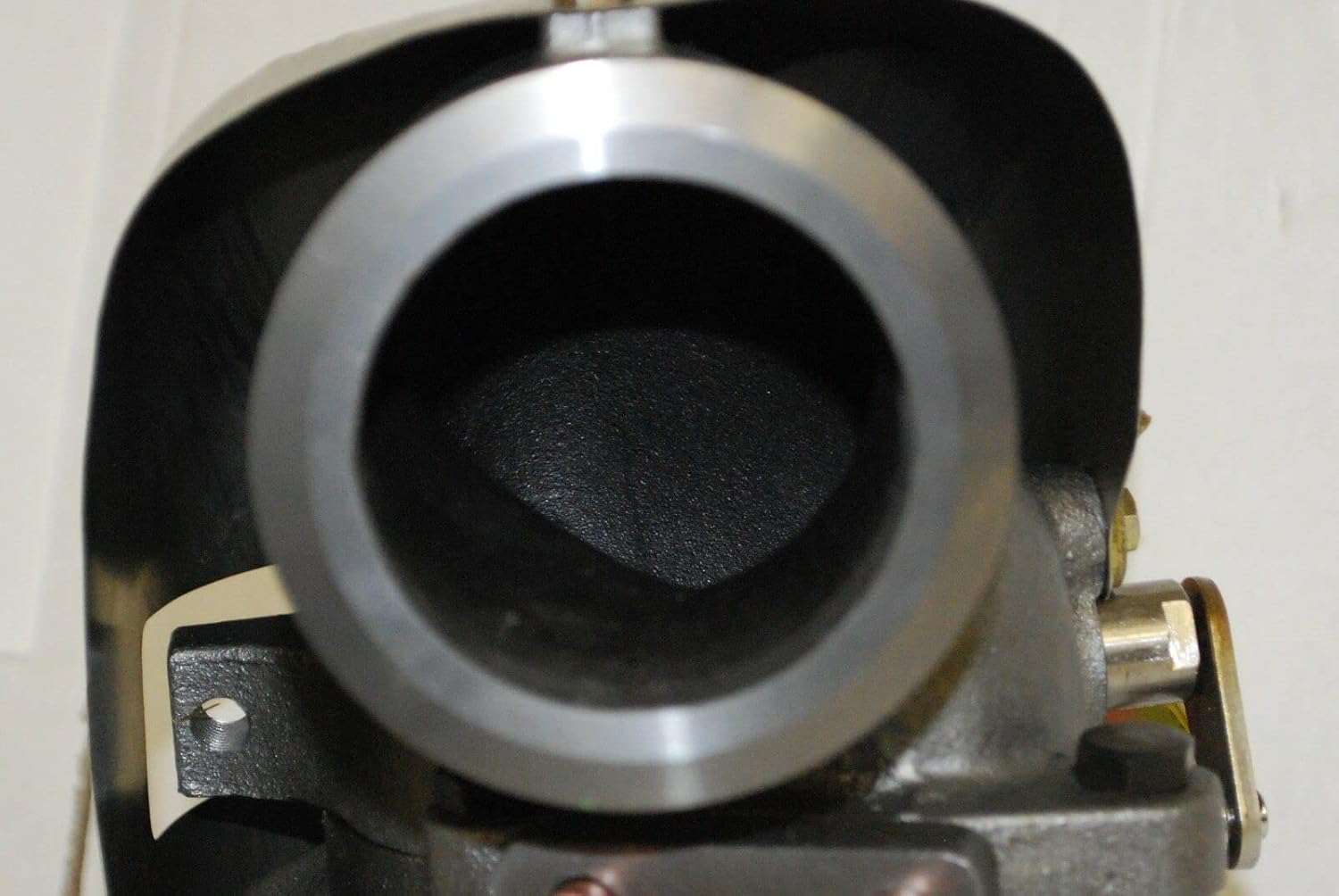
This manual provides essential information for the proper installation, operation, and maintenance of your E-MOTOR GM8 Turbocharger. Adhering to these guidelines will ensure optimal performance and longevity of the unit. Please read this manual thoroughly before proceeding with any installation or operation.
2. Compatibility and Application
The E-MOTOR GM8 Turbocharger is designed for specific vehicle applications. Verify your vehicle's compatibility before installation.
Engine Compatibility:
- 6.5L 395 Cu. In. V8 DIESEL OHV Turbocharged engines
Vehicle Compatibility:
- GMC:
- 1996-2000 GMC C2500
- 1996-1999 GMC C2500 Suburban
- 1996-2000 GMC C3500
- 1996-1999 GMC K2500
- 1996-1999 GMC K2500 Suburban
- 1996-1998 GMC K3500
- 2001-2002 GMC Sierra 3500
- 2001-2002 GMC Sierra 2500 HD
- 2001-2002 GMC Sierra 2500
3. Product Features
- Brand new and direct bolt-on design for straightforward installation.
- Interchange Part Numbers: 12533738, 12556124, 14030027-101, 14030027-102, 14030027-103, 14030027-104, 14030027-105, 14030027-106, 14030027-107, 14030027-108, 2T-102, 847-1005, GM8.
- Balanced at high speeds to ensure smooth and reliable operation.
4. Setup and Installation
Proper installation is critical for the performance and longevity of your turbocharger. Professional installation by a certified mechanic is highly recommended.
General Installation Guidelines:
- Pre-Installation Inspection: Inspect the new turbocharger for any shipping damage. Ensure all ports are clean and free of debris.
- Engine Preparation: Before installing the new turbocharger, ensure the engine oil and oil filter are new and clean. Check the oil feed and drain lines for any blockages or restrictions. Contaminated oil or restricted oil flow can severely damage the turbocharger.
- Pre-Lubrication: Before connecting the oil feed line, manually pre-lubricate the turbocharger by pouring clean engine oil into the oil inlet port while rotating the compressor wheel by hand. This ensures immediate lubrication upon engine start-up.
- Mounting: Securely mount the turbocharger to the exhaust manifold using appropriate gaskets and hardware. Ensure all connections are tight to prevent exhaust leaks.
- Connect Lines: Connect the oil feed line, oil drain line, and air intake/outlet pipes. Ensure all clamps and fittings are secure.
- Initial Start-up: After installation, crank the engine without starting it (if possible) to build oil pressure. Once started, allow the engine to idle for several minutes to ensure proper oil circulation to the turbocharger before applying load.




5. Operating Instructions
Proper operating procedures contribute to the longevity and efficiency of your turbocharger.
- Engine Warm-up: Allow the engine to reach operating temperature before engaging in high-load driving. This ensures proper oil flow and lubrication to the turbocharger.
- Engine Cool-down: After periods of high-load driving, allow the engine to idle for 1-2 minutes before shutting it off. This allows the turbocharger to cool down and prevents oil coking in the bearing housing.
- Avoid Excessive Idling: While cool-down is important, prolonged idling can lead to carbon buildup.
6. Maintenance
Regular maintenance is essential for the reliable operation of your turbocharger.
- Oil Changes: Adhere strictly to your vehicle manufacturer's recommended oil change intervals. Use high-quality engine oil that meets or exceeds specifications for turbocharged diesel engines.
- Oil Filter Replacement: Always replace the oil filter with each oil change. A clean oil filter is crucial for preventing contaminants from reaching the turbocharger bearings.
- Air Filter Inspection: Regularly inspect and replace the engine air filter as needed. A clogged air filter can restrict airflow, leading to reduced turbocharger performance and potential damage.
- Check Oil Lines: Periodically inspect the turbocharger oil feed and drain lines for any signs of leaks, kinks, or blockages. Ensure proper oil flow.
- Boost Leaks: Periodically check all intake and intercooler piping for leaks. Boost leaks can reduce performance and put undue stress on the turbocharger.
7. Troubleshooting
This section addresses common issues that may arise with turbocharger operation. For complex issues, consult a qualified mechanic.
Common Symptoms and Potential Causes:
- Lack of Boost/Reduced Power:
- Boost leak in intake system (hoses, intercooler).
- Faulty wastegate actuator or control.
- Clogged air filter.
- Exhaust leak before the turbine.
- Excessive Smoke (Blue/White):
- Oil leaking past turbocharger seals (blue smoke).
- Coolant leaking into exhaust (white smoke, if applicable to water-cooled turbos).
- Restricted oil drain line.
- Unusual Noises (Whining, Grinding):
- Bearing wear or damage.
- Compressor or turbine wheel rubbing against housing (often due to foreign object damage or bearing failure).
- Loose connections or exhaust leaks.
If you experience any of these symptoms, it is recommended to have the vehicle inspected by a professional to diagnose and rectify the issue promptly.
8. Specifications
| Specification | Detail |
|---|---|
| Brand | E-MOTOR |
| Model Number | GM8 (EMTC GMC GM8 12556124) |
| Manufacturer Part Number | EMTC GMC GM8 12556124 |
| Product Dimensions | 19.87 x 10 x 10 inches |
| ASIN | B08P585TFS |
| Date First Available | November 26, 2020 |
9. Warranty Information
This E-MOTOR GM8 Turbocharger comes with a warranty. For specific terms, conditions, and duration of the warranty, please refer to the warranty card included with your purchase or contact E-MOTOR customer support directly. Keep your proof of purchase for warranty claims.
10. Support
For technical assistance, troubleshooting beyond this manual, or warranty inquiries, please contact E-MOTOR customer support. You may also visit the official E-MOTOR store for additional product information and resources.
E-MOTOR Store: Visit the E-MOTOR Store on Amazon