
GKEEMARS 4F210-08
GKEEMARS Pneumatic Foot Pedal Valve
Model: 4F210-08
User Instruction Manual
1. Product Overview
The GKEEMARS 4F210-08 is a robust pneumatic foot pedal valve designed for precise control of air flow in various industrial and automotive applications. This 2-position, 5-way valve allows for simple on/off control of air sources, making it ideal for systems requiring foot-operated activation.

Figure 1: GKEEMARS 4F210-08 Pneumatic Foot Pedal Valve with quick-connect fittings.
2. Key Features
- Product Name: Pneumatic Foot Pedal Valve.
- Model: 4F210-08; Type: 2 Position 5 Way. This configuration allows for versatile control in pneumatic circuits.
- Thread Size: PT1/4”; Working Pressure: 0-114 Psi. Compatible with standard pneumatic connections and suitable for a wide range of operating pressures.
- Operation: Direct Acting; Structure: Foot Control. Provides immediate response and ergonomic operation.
- Versatile Application: The foot operated pedal can simply control the air source on and off, making it widely applicable in various pneumatic systems, including automotive and industrial machinery.

Figure 2: Internal components and construction details, showing the durable aluminum body, textured non-slip surface, and robust stainless steel spring.
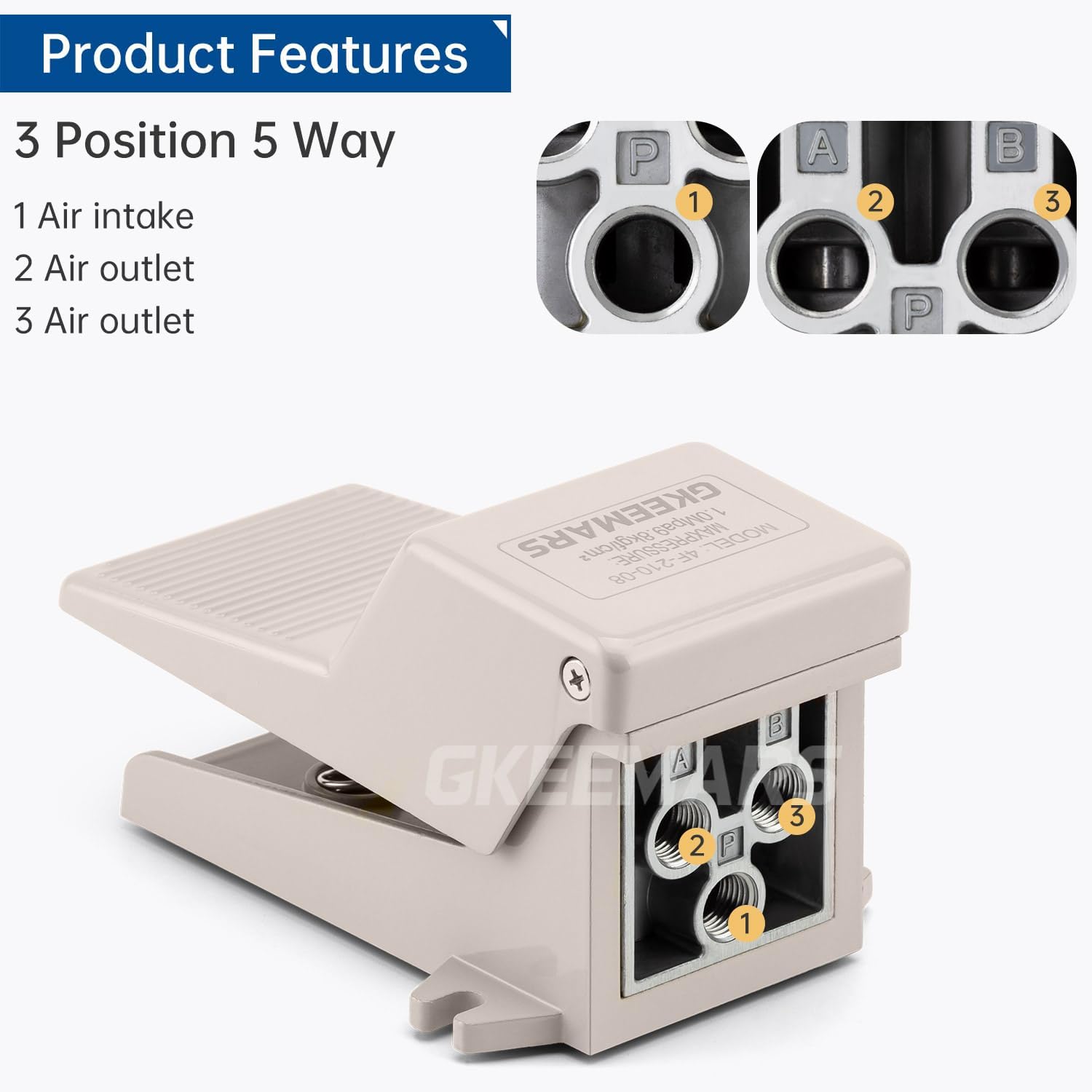
Figure 3: Port configuration of the 2 Position 5 Way valve, detailing air intake and outlet ports.
3. Specifications
| Specification | Detail |
|---|---|
| Product Name | Pneumatic Foot Pedal Valve |
| Model | 4F210-08 |
| Type | 2 Position 5 Way |
| Thread Size | PT1/4” |
| Working Pressure | 0-114 Psi (0-1.0 MPa, 0-9.8 kgf/cm²) |
| Operation | Direct Acting |
| Structure | Foot Control |
| Material | Aluminum, Rubber, Stainless Steel |
| Item Weight | 1.39 pounds |
| Package Dimensions | 6.73 x 4.06 x 3.94 inches |

Figure 4: Dimensional drawing and key specifications of the valve.
4. Setup
Proper setup is crucial for the safe and efficient operation of your pneumatic foot pedal valve. Follow these steps for installation:
- Prepare the Air Supply: Ensure your compressed air system is clean, dry, and regulated to the appropriate working pressure (0-114 Psi).
- Mount the Valve: Securely mount the foot pedal valve to a stable surface using appropriate fasteners. Ensure it is positioned for comfortable and safe operation.
- Connect Air Lines:
- Identify the air intake port (typically labeled 'P' or 'IN'). Connect your main air supply line to this port.
- Identify the air outlet ports (typically labeled 'A' and 'B' for 5-way valves). Connect these to the pneumatic actuators or devices you intend to control.
- Identify the exhaust ports (often integrated with 'A' and 'B' or separate 'R' and 'S' ports). Ensure these are clear for air exhaust.
- Test Connections: Before full operation, slowly introduce air pressure to the system and check for any leaks using a soapy water solution. Tighten connections as necessary.

Figure 5: View of the valve's ports, illustrating where air lines should be connected.
5. Operating Instructions
The GKEEMARS 4F210-08 foot pedal valve is designed for straightforward operation:
- Activation: To activate the pneumatic circuit, simply press down on the foot pedal. This action will shift the internal valve mechanism, allowing air to flow from the supply port to the designated outlet port(s).
- Deactivation: To deactivate the pneumatic circuit, release pressure from the foot pedal. The pedal will return to its original position, and the valve will shift back, stopping the air flow or redirecting it as per its 2-position, 5-way configuration.
- Safety: Always ensure that the area around the foot pedal is clear of obstructions to allow for unimpeded operation and quick release in case of emergency.

Figure 6: Illustration of the pedal's operational states: pressed for activation and released for deactivation.
6. Maintenance
Regular maintenance helps ensure the longevity and reliable performance of your GKEEMARS foot pedal valve:
- Keep Clean: Periodically clean the exterior of the valve to prevent dust and debris buildup, especially around the pedal mechanism and ports.
- Check for Leaks: Regularly inspect all pneumatic connections for signs of air leaks. Leaks can reduce system efficiency and put strain on your air compressor. Tighten fittings or replace seals as needed.
- Inspect Moving Parts: Check the foot pedal for smooth operation and ensure the return spring functions correctly. Lubricate pivot points with a suitable pneumatic lubricant if necessary, though direct acting valves typically require minimal internal lubrication.
- Air Quality: Ensure your compressed air supply is filtered and dry. Contaminants like moisture and oil can damage internal valve components over time.
7. Troubleshooting
If you encounter issues with your GKEEMARS foot pedal valve, refer to the following common problems and solutions:
| Problem | Possible Cause | Solution |
|---|---|---|
| Valve does not activate (no air flow) | No air supply; Low air pressure; Clogged air filter; Obstructed pedal mechanism. | Check air compressor and supply lines; Verify pressure gauge reading; Clean or replace air filter; Clear any obstructions around the pedal. |
| Air leaks from connections | Loose fittings; Damaged threads; Worn seals/O-rings. | Tighten all threaded connections; Apply thread sealant if necessary; Inspect and replace damaged fittings or seals. |
| Pedal sticks or does not return | Debris in mechanism; Damaged return spring; Lack of lubrication. | Clean the pedal mechanism; Inspect and replace the return spring if damaged; Apply a small amount of pneumatic lubricant to pivot points. |
| Weak or inconsistent air flow | Partial obstruction in lines/ports; Insufficient air supply; Internal valve issue. | Check and clear air lines and valve ports; Ensure adequate air pressure and volume; If problem persists, valve may require professional inspection or replacement. |
8. Warranty and Support
GKEEMARS products are manufactured to high quality standards. For specific warranty information, please refer to the documentation included with your purchase or visit the official GKEEMARS website. For technical support, troubleshooting assistance beyond this manual, or spare parts inquiries, please contact GKEEMARS customer service through their official channels.
You can visit the GKEEMARS store on Amazon for more information: GKEEMARS Store
Ask a question about this manual
Ask about setup, troubleshooting, compatibility, parts, safety, or missing instructions. Manuals+ will review the question and use this page’s manual context to help answer it.