
1. Introduction
This manual provides detailed instructions for the safe and efficient use of your Lloyd 1.5 Ton Inverter 3 Star Copper Split AC, model LS18I32WSEL. Please read this manual thoroughly before operating the unit and retain it for future reference. Proper installation, operation, and maintenance are crucial for optimal performance and longevity of your air conditioner.
2. Safety Information
Always adhere to the following safety precautions to prevent injury or damage to the unit:
- Ensure the power supply matches the unit's specifications.
- Do not attempt to repair or modify the unit yourself. Contact qualified service personnel.
- Keep the outdoor unit clear of obstructions to ensure proper airflow.
- Do not insert objects into the air outlet or inlet.
- Ensure proper grounding to prevent electrical shock.
- Turn off the power supply before cleaning or performing maintenance.
3. Product Overview
The Lloyd LS18I32WSEL is a 1.5 Ton Inverter Split AC designed for efficient cooling. It features a copper condenser, uses R-32 refrigerant, and includes an Anti Bacterial Filter for improved air quality.

Figure 3.1: Indoor Unit of the Lloyd Split AC. This unit is responsible for circulating cooled air within the room.
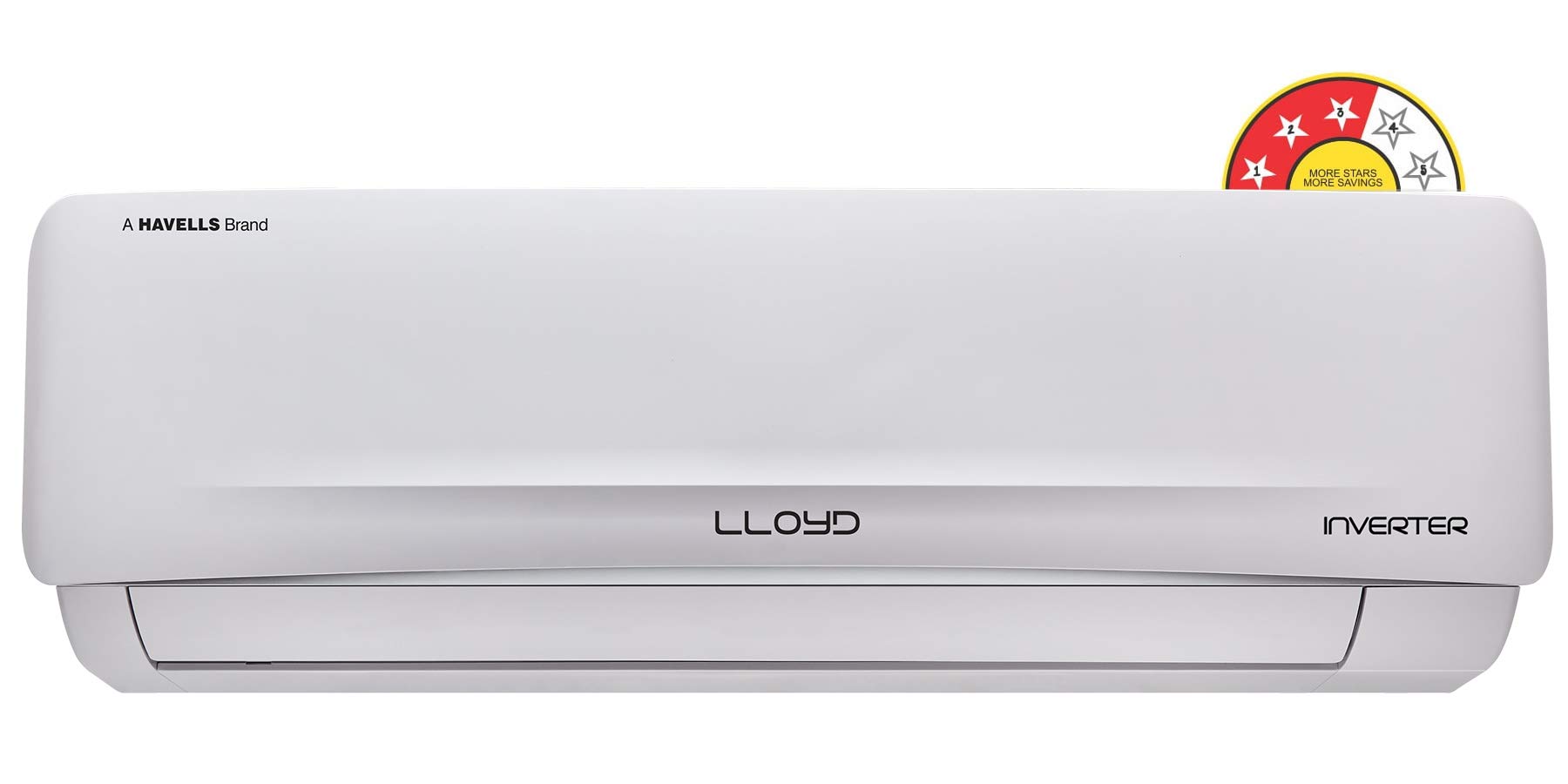
Figure 3.2: Outdoor Unit of the Lloyd Split AC. This unit houses the compressor and condenser, dissipating heat outside.
Key Features:
- Inverter Technology: Provides energy-efficient cooling by adjusting compressor speed.
- Copper Condenser: Ensures better heat transfer and durability.
- R-32 Refrigerant: Environmentally friendly refrigerant with lower global warming potential.
- Anti Bacterial Filter: Helps in filtering out bacteria and improving indoor air quality.
- Rapid Cooling: Achieves desired temperatures quickly.
- Stabilizer Free Operation: Designed to operate within a wide voltage range, reducing the need for an external stabilizer.
4. Setup and Installation
Installation of a split air conditioner requires professional expertise. It is highly recommended to have the unit installed by a certified technician to ensure proper functioning and safety.
Installation Overview:
- Site Selection: Choose appropriate locations for both the indoor and outdoor units, ensuring proper air circulation and drainage. The outdoor unit requires an open space for heat dissipation.
- Mounting the Indoor Unit: Securely mount the indoor unit on a wall, ensuring it is level for proper condensate drainage.
- Mounting the Outdoor Unit: Install the outdoor unit on a stable, vibration-free surface, typically outside the building.
- Refrigerant Piping: Connect the indoor and outdoor units with copper refrigerant pipes, ensuring no leaks.
- Electrical Wiring: Connect the power supply and communication wires according to the wiring diagram provided with the unit. Ensure proper grounding.
- Drainage System: Install the condensate drain pipe from the indoor unit to ensure water is discharged properly.
- Vacuuming and Gas Charging: Evacuate the refrigerant lines to remove moisture and air, then charge with R-32 refrigerant if necessary.
- Test Run: Perform a test run to verify all functions are operating correctly.
5. Operating Instructions
Your Lloyd AC is controlled via a remote control. Familiarize yourself with the remote's functions for optimal use.
Basic Operation:
- Power On/Off: Press the 'ON/OFF' button on the remote control to start or stop the unit.
- Mode Selection: Use the 'MODE' button to cycle through available modes: Cool, Fan, Dry. The primary operating mode for this unit is Cooling.
- Temperature Adjustment: Use the 'TEMP ▲' and 'TEMP ▼' buttons to set your desired temperature.
- Fan Speed: Adjust the fan speed using the 'FAN' button (Auto, Low, Medium, High).
- Swing Function: Activate the 'SWING' function for automatic louver movement to distribute air evenly.
Special Features:

Figure 5.1: Illustration of the Rapid Cooling feature. This function allows the AC to quickly lower the room temperature to 18°C within approximately 45 seconds under specific test conditions.

Figure 5.2: The Hidden LED Display. This digital display is integrated into the indoor unit and can be turned off or dimmed according to user preference for comfort, especially during nighttime operation.

Figure 5.3: Stabilizer Free Operation. This feature allows the AC to function reliably within a specified voltage fluctuation range, enhancing safety and potentially saving energy by eliminating the need for an external voltage stabilizer. Note: A stabilizer may still be required if voltage fluctuations fall below 140V or exceed 260V.
6. Maintenance
Regular maintenance ensures the efficiency and longevity of your air conditioner. Always disconnect power before performing any maintenance.
Filter Cleaning:

Figure 6.1: Illustration of various filters for healthier air, including Nano Silver Green Anti-Bacterial Coating, Catechine Dust Filter, Green Bio Filter, PM 2.5 Filter, Trio Filter, Ayurvedic Tulsi Filter, and Silver Ion Filter. Regular cleaning of these filters is essential for maintaining air quality and AC efficiency.
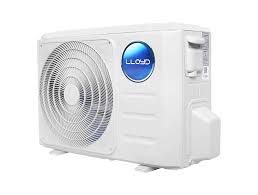
Figure 6.2: A close-up of an AC filter component. Filters should be cleaned every two weeks or more frequently depending on usage and air quality. Gently remove the filters, wash them with mild detergent and water, rinse thoroughly, and allow them to dry completely before reinserting.
- Indoor Unit Filters: Open the front panel of the indoor unit and remove the air filters. Clean them with a vacuum cleaner or wash them with lukewarm water and mild detergent. Dry them completely before reinstallation. Clean every two weeks or more often if necessary.
- Outdoor Unit: Keep the outdoor unit clean from dust, leaves, and other debris. Ensure the condenser fins are not bent or blocked.
- Coil Cleaning: Periodically, have a professional clean the indoor and outdoor coils to maintain efficiency.
- Drainage Check: Ensure the drain pipe is not clogged to prevent water leakage.

Figure 6.3: The protective cover for the valves on the outdoor unit. This cover helps prevent gas leakage and protects against anti-exposure, water, and freeze damage, contributing to the unit's durability and safety.
7. Troubleshooting
Before contacting service, refer to the following table for common issues and their solutions:
| Problem | Possible Cause | Solution |
|---|---|---|
| AC does not start | No power supply; Remote control batteries dead; Circuit breaker tripped. | Check power connection; Replace remote batteries; Reset circuit breaker. |
| Insufficient cooling | Dirty air filters; Blocked outdoor unit; Temperature setting too high; Refrigerant leakage. | Clean air filters; Clear obstructions from outdoor unit; Lower temperature setting; Contact service for refrigerant check. |
| Water leakage from indoor unit | Clogged drain pipe; Improper installation. | Clear drain pipe; Contact service for installation check. |
| Unusual noise | Loose parts; Fan obstruction; Compressor issue. | Check for loose parts; Clear obstructions; Contact service for inspection. |
If the problem persists after attempting these solutions, please contact authorized service personnel.
8. Specifications
| Feature | Specification |
|---|---|
| Brand | Lloyd |
| Model Name | LS18I32WSEL |
| Capacity | 1.5 Tons |
| Cooling Power | 18000 British Thermal Units |
| BEE Star Rating | 3 Star |
| Refrigerant | R-32 |
| Inverter Type | Has Inverter |
| Core Material | Copper |
| Special Feature | Anti Bacterial Filter |
| Installation Type | Split System |
| Control Method | Remote Control |
| Power Source | Corded Electric |
9. Warranty and Support
For warranty information, please refer to the warranty card included with your product or visit the official Lloyd India website. In case of any issues or for technical assistance, please contact Lloyd customer support. Ensure you have your model number (LS18I32WSEL) and purchase details ready when contacting support.