1. Introduction
This manual provides essential information for the safe installation, operation, and maintenance of your Marathon Motors Fan Blower Motor, model B304 48S17D2056. This motor is designed for fan and blower applications, featuring 1/3 horsepower, 1800 RPM, and 115V single-phase operation. Please read this manual thoroughly before installation and use to ensure proper function and to prevent injury or damage.
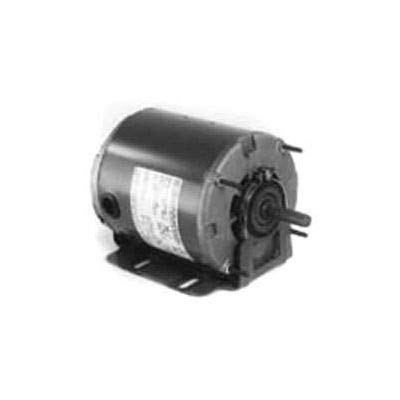
Image 1.1: The Marathon Motors Fan Blower Motor, model B304 48S17D2056. This image shows the compact design of the motor, typically used in HVAC and industrial fan systems.
2. Safety Information
WARNING: Failure to follow these safety instructions may result in electric shock, fire, serious injury, or death.
- Always disconnect power before installing, servicing, or cleaning the motor.
- Installation and wiring must be performed by a qualified electrician in accordance with all local and national electrical codes.
- Ensure the motor is properly grounded to prevent electrical shock.
- Do not operate the motor if it is damaged or if any wires are frayed or exposed.
- Keep hands, clothing, and tools clear of moving parts during operation.
- Ensure adequate ventilation around the motor to prevent overheating.
- Do not expose the motor to moisture or extreme temperatures unless specifically rated for such conditions.
- Use only genuine replacement parts.
3. Package Contents
Verify that all items are present and undamaged upon opening the package. If any items are missing or damaged, contact your supplier immediately.
- Marathon Motors Fan Blower Motor (Model B304 48S17D2056)
- User Manual (this document)
- (Note: Mounting hardware and electrical connectors are typically sold separately and are not included.)
4. Setup
4.1 Mounting the Motor
The motor should be securely mounted to a stable, vibration-free surface. Ensure that the mounting bolts are tightened to the manufacturer's specifications. Proper alignment with the fan or blower assembly is crucial to prevent premature wear and vibration.
- Select a mounting location that provides sufficient clearance for ventilation and maintenance.
- Use appropriate mounting hardware (not included) that can support the motor's weight and operational forces.
- Ensure the motor shaft is correctly aligned with the driven equipment (e.g., fan blade, blower wheel) to minimize stress on bearings.
- Tighten all mounting bolts evenly and securely.
4.2 Electrical Connection
CAUTION: All electrical work must be performed by a qualified professional. Ensure power is disconnected at the source before making any connections.
- Verify that the supply voltage matches the motor's rated voltage (115V, 1PH).
- Connect the motor's power leads to the appropriate circuit using approved wiring methods and connectors.
- Ensure proper grounding of the motor frame to a reliable earth ground.
- Consult the motor's wiring diagram (typically found on the motor nameplate or in accompanying documentation) for specific connection details.
Typical wiring for a single-phase motor involves connecting the line (hot), neutral, and ground wires. Refer to the motor's specific terminal markings.
4.3 Direction of Rotation
Some fan blower motors may have reversible rotation. Consult the motor's wiring diagram or nameplate for instructions on how to change the direction of rotation, if applicable and required for your application. Incorrect rotation can lead to inefficient operation or damage to the fan/blower system.
5. Operating Instructions
5.1 Initial Start-up
- Before applying power, double-check all electrical connections and mounting security.
- Ensure no obstructions are present around the fan or blower assembly.
- Apply power to the motor. Observe the motor for any unusual noises, vibrations, or excessive heat.
- Confirm the correct direction of rotation for your application.
- If any abnormalities are detected, immediately disconnect power and investigate the cause.
5.2 Normal Operation
During normal operation, the motor should run smoothly with minimal noise and vibration. Periodically monitor the motor for:
- Unusual noises (grinding, squealing, humming).
- Excessive vibration.
- Overheating (the motor casing should be warm, but not excessively hot to the touch).
- Changes in performance of the driven equipment.
6. Maintenance
Regular maintenance helps ensure the longevity and efficient operation of your motor. Always disconnect power before performing any maintenance.
6.1 Cleaning
- Keep the motor exterior clean and free from dust, dirt, and debris. Accumulation can impede cooling and lead to overheating.
- Use a soft, dry cloth or compressed air to clean the motor. Do not use liquids or solvents unless specifically approved for electrical components.
- Ensure ventilation openings are clear.
6.2 Lubrication
This motor typically features permanently lubricated bearings, requiring no routine lubrication. If your specific motor model has grease fittings, consult the motor's nameplate or manufacturer's documentation for recommended lubricant type and lubrication schedule.
6.3 Inspection
Periodically inspect the motor for:
- Loose mounting bolts or connections.
- Signs of wear or damage to wiring.
- Corrosion or rust on the motor casing.
- Unusual bearing noise (indicating potential bearing failure).
7. Troubleshooting
Before attempting any troubleshooting, ensure power is disconnected. If you are unable to resolve an issue, contact a qualified technician.
| Problem | Possible Cause | Solution |
|---|---|---|
| Motor does not start | No power supply Incorrect wiring Overload protection tripped Motor seized | Check power source and circuit breaker Verify wiring against diagram Reset overload, check for cause Inspect for obstructions, bearing issues |
| Motor overheats | Insufficient ventilation Overload condition Incorrect voltage Bearing failure | Clear obstructions, ensure airflow Reduce load, check fan/blower for binding Verify supply voltage Inspect/replace bearings |
| Excessive noise or vibration | Loose mounting Unbalanced fan/blower Worn bearings Misalignment | Tighten mounting bolts Inspect and balance fan/blower Inspect/replace bearings Realign motor and driven equipment |
| Motor runs slowly | Low voltage Overload Capacitor issue (if applicable) | Verify supply voltage Reduce load Consult technician for capacitor check/replacement |
8. Specifications
The following are the key specifications for the Marathon Motors Fan Blower Motor, model B304 48S17D2056:
- Brand: Generic
- Model Name: B304 48S17D2056
- Horsepower: 0.33 HP (1/3 HP)
- Speed: 1800 RPM
- Voltage: 115 Volts
- Phase: 1 Phase (1PH)
- Frame: 48Y FR (Frame)
- Material: Copper (windings)
- Item Weight: Approximately 15 pounds
- Manufacturer: Generic
- ASIN: B08J79F1CB
9. Warranty and Support
For warranty information and technical support, please refer to the documentation provided at the time of purchase or contact your retailer or the manufacturer directly. Keep your purchase receipt as proof of purchase for any warranty claims.
For further assistance, you may contact the seller, CSH Electric Motor Supply, or the manufacturer, Generic, through their official channels.


