
1. Introduction
The CARNET DE VOL Flight Logbook is an essential tool for all pilots, from beginners to seasoned professionals. This logbook is designed to provide a comprehensive and compliant record of all your flight activities. It features a customizable cover, allowing for personalization with your preferred ICAO code and airport/aerodrome name, making each logbook unique.
This logbook is suitable for private and professional pilots, as well as ULM (Ultralight Motorized) pilots. It adheres to current aviation standards, specifically PART FCL—AMC1 FCL.050, and is primarily based on EUROPEAN REGULATION N° 1178 / 2011, incorporating the latest updates from July 31, 2018, of REGULATION n°2018/1119, published in the Official Journal of the European Union on August 13, 2018.
Its compact and practical format (20.96 cm x 15.24 cm) ensures easy portability. The logbook is designed for ease of use, with all terms provided in French and accompanied by English translations, facilitating use by non-French speakers.
2. Getting Started
Before you begin recording your flights, it is recommended to personalize your logbook and familiarize yourself with its layout.
2.1 Personalization
The cover of your CARNET DE VOL can be customized. If you ordered a personalized version, ensure the ICAO code and airport/aerodrome name match your specifications. If not, you may add your personal details to the designated areas inside the front cover using a permanent marker or pen.
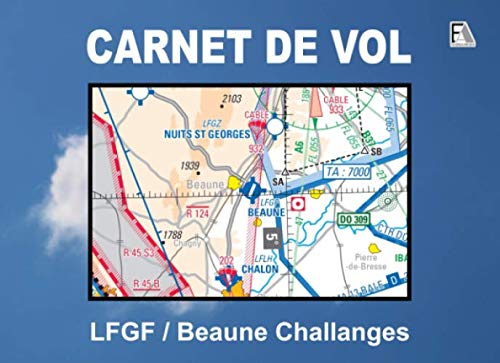
Figure 2.1: Front cover of the CARNET DE VOL Flight Logbook. This image displays the logbook's front, featuring its title and a stylized aerial map, indicating its aviation purpose.
2.2 Initial Information
Locate the initial pages designed for personal information. Fill in your full name, pilot license number, contact details, and any other relevant identification information. This ensures your logbook can be returned if lost and provides essential reference data.
3. Recording Flights
Each page of the logbook is structured to record specific flight details. Ensure all entries are accurate and legible.
3.1 Standard Flight Entry Fields
For each flight, you will typically find fields for:
- Date: The date of the flight.
- Aircraft Type and Registration: The type of aircraft flown (e.g., Cessna 172) and its registration number.
- Pilot in Command (PIC): Your name if you were PIC, or the name of the PIC if you were co-pilot.
- Departure and Arrival Aerodromes: ICAO codes or names of the departure and arrival locations.
- Departure and Arrival Times: Actual block times (UTC recommended).
- Total Flight Time: The duration of the flight, typically in hours and minutes.
- Day/Night: Distinguish between flight time conducted during day or night.
- Single-Engine/Multi-Engine: Categorize flight time based on aircraft engine configuration.
- Cross-Country: Indicate if the flight qualifies as cross-country.
- Instrument Time: Time flown solely by reference to instruments.
- Landings: Number of day and night landings.
- Remarks/Endorsements: Any specific notes, endorsements, or training details.
3.2 Cumulative Totals
Periodically, you will find sections to sum up your flight hours and landings. This is crucial for tracking your progress and ensuring compliance with regulatory requirements. It is advisable to update these totals after every few flights or at the end of each month.
4. Logbook Care
Proper care of your logbook ensures its longevity and the integrity of your flight records.
- Storage: Store your logbook in a dry place, away from direct sunlight and extreme temperatures.
- Writing Utensils: Use a pen with permanent, non-smudging ink. Avoid pencils for official entries.
- Corrections: If an error is made, draw a single line through the incorrect entry, write the correct information next to it, and initial the change. Do not use correction fluid or erase entries.
- Protection: Consider using a protective cover or sleeve to prevent wear and tear, especially if you carry it frequently.

Figure 4.1: Back cover of the CARNET DE VOL Flight Logbook. This image shows the reverse side of the logbook, featuring a subtle pattern of text and essential publication details like the barcode.
5. Common Questions
5.1 What if I make a mistake?
As mentioned in Section 4, draw a single line through the incorrect entry, write the correct information clearly, and initial the change. This method maintains the integrity of your records for auditing purposes.
5.2 Can I use this logbook for different aircraft types?
Yes, the logbook is designed to accommodate entries for various aircraft types. Simply ensure you accurately record the aircraft type and registration for each flight.
5.3 Is this logbook compliant with international regulations?
The logbook is designed to comply with European regulations (PART FCL—AMC1 FCL.050 and EUROPEAN REGULATION N° 1178 / 2011). While it includes English translations, pilots operating under different regulatory bodies should verify its suitability for their specific requirements.
6. Specifications
| Feature | Detail |
|---|---|
| Title | CARNET DE VOL - LFGF / Beaune Challanges |
| Publisher | EDITIONS ALEMIANE (Independently published) |
| Publication Date | August 29, 2020 |
| Language | French (with English translations for key terms) |
| Format | Paperback |
| Page Count | 119 pages |
| Dimensions (L x W x H) | 20.96 x 15.24 x 0.69 cm (8.25 x 6.00 x 0.27 inches) |
| ISBN-13 | 979-8680567838 |
| Compliance | PART FCL—AMC1 FCL.050, EUROPEAN REGULATION N° 1178 / 2011 |
7. Support Information
For any questions or further assistance regarding your CARNET DE VOL Flight Logbook, please contact the publisher directly:
Publisher: EDITIONS ALEMIANE
Please refer to the ISBN-13 (979-8680567838) when making inquiries to help them identify your specific product.