
1. Introduction and System Overview
The Generic 2000W Emergency Solar Power Kit SES-1 is designed to provide essential power during protracted outages. This complete, easy-to-assemble kit includes solar panels, an inverter, deep cycle batteries, a charge controller, and all necessary connectors and cabling. It is intended to power critical items such as refrigerators, laptops, cell phones, radios, and select medical devices, ensuring a safe living environment without reliance on the main power grid.
This system is not designed to support typical living standards that involve high energy consumption devices like microwaves, as these will rapidly deplete battery storage. The use of alternative methods for heating or cooking food is advised.
2. Components List
The SES-1 kit includes the following components:
- Solar Panels: Two (2) 330W solar panels with ground mount racking (ballast weights recommended for securing).
- Deep Cycle Batteries: Two (2) CB6-250 Deep Cycle Batteries with connecting cables.
- Charge Controller: One (1) charge controller.
- Power Inverter: One (1) 2000W Modified Sine Wave Inverter (12VDC input - 120VAC output).
- Cabling:
- 50 feet of cabling for connecting solar panels to the charge controller.
- 8 feet of cabling for connecting the charge controller to the batteries.
- Battery cabling for series connection.
- Instruction/Connection Diagram: A complete diagram for assembly and connection.
3. Setup and Installation
The SES-1 system is designed for easy assembly and does not require a licensed electrician or special permitting. Follow the provided instruction/connection diagram carefully for proper setup.
3.1 Solar Panel Placement
Position the two 330W solar panels in an area that receives maximum direct sunlight throughout the day. Utilize the ground mount racking. It is recommended to use ballast weights to secure the panels against wind or other environmental factors.

Image: Two 330W solar panels. These panels convert sunlight into electrical energy.
3.2 Battery Connection
Connect the two CB6-250 Deep Cycle Batteries in series using the provided battery cabling. Ensure correct polarity to avoid damage to the system. These batteries store the energy generated by the solar panels.

Image: A CB6-250 Deep Cycle Battery. Two such batteries are included for energy storage.
3.3 Charge Controller and Inverter Setup
Connect the solar panels to the charge controller using the 50-foot cabling. Then, connect the charge controller to the battery bank using the 8-foot cabling. Finally, connect the 2000W Modified Sine Wave Inverter to the battery bank. The charge controller regulates the power flow from the solar panels to the batteries, preventing overcharging, while the inverter converts the battery's DC power to AC power for household appliances.

Image: A charge controller. This device manages the power flow from solar panels to batteries.
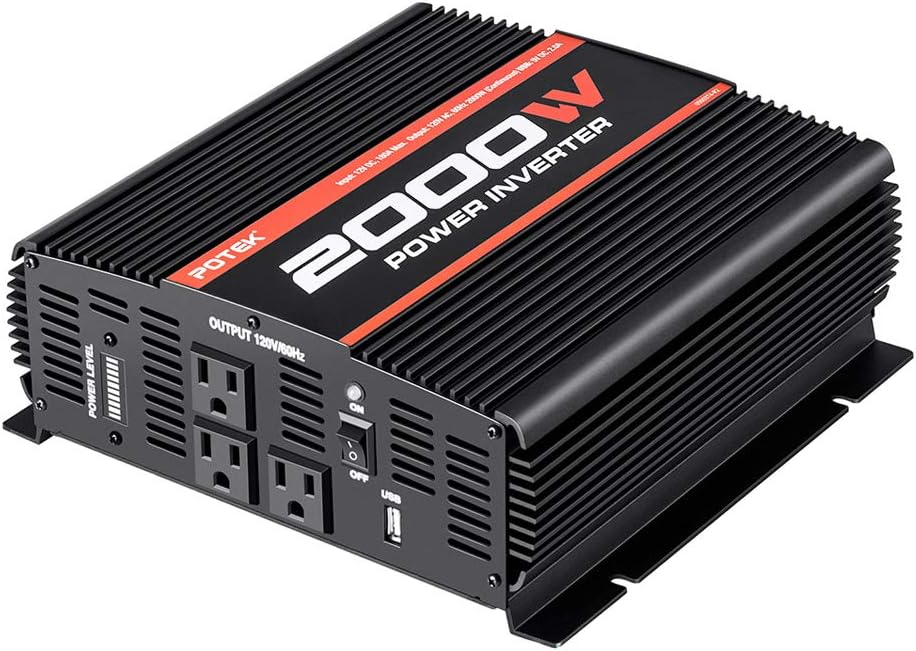
Image: A 2000W Power Inverter. This converts DC battery power to AC power for appliances.
3.4 Connection Diagram
Refer to the following diagram for a visual representation of the system's connections:

Image: System connection diagram illustrating how solar panels, charge controller, batteries, and inverter are interconnected.
4. Operating Instructions
Once the system is fully assembled and connected according to the diagram, it is ready for use. Simply plug in the items you wish to power into the inverter's AC outlets. Monitor the charge controller display for battery status and power generation.
The system provides 120VAC output. The overall performance is determined by following all instructions and prevailing weather conditions affecting solar panel efficiency.
5. Power Usage Guide
The SES-1 kit can provide up to 16.6 Amps at 120VAC. The battery storage (12VDC) is rated at 250Ah. The pair of 330W solar panels can produce up to 3300 Watts per day in full sun, which is stored in the battery string.
It is crucial to manage power consumption to ensure the system meets your emergency needs. Always check the energy consumption of your specific devices. Below are examples of typical device consumption and a sample daily usage scenario:
5.1 Average Hourly Consumption Examples:
- Refrigerator: Approximately 250 Watts per hour.
- Laptop: Approximately 65 Watts per hour.
- CPAP Machine: Approximately 300 Watts per hour.
- Cell Phone (charging): Approximately 2.5 Watts per hour.
5.2 Sample Daily Consumption Model:
Based on a 3300 Watts per day distribution model, here's an example of how critical items can be powered:
- Refrigerator: Operating 3 hours per day (door not opened frequently) = 750 Watts.
- Laptop: Operating 3 hours per day = 195 Watts.
- Cell Phone: Charging 3 hours per day = 7.5 Watts.
- CPAP Machine: Operating 6 hours per day = 1800 Watts.
Total estimated daily consumption in this model: 2752.5 Watts.
This leaves additional energy for other critical needs or as a safety margin. It is not recommended to use unnecessary or high-current devices during an emergency to conserve power.

Image: SES System Energy Guide, detailing example power consumption for various devices.
6. Maintenance
To ensure optimal performance and longevity of your SES-1 system, regular maintenance is recommended:
- Solar Panels: Periodically clean the surface of the solar panels to remove dust, dirt, or debris that may reduce efficiency. Use a soft cloth and water.
- Batteries: Inspect battery terminals for corrosion and ensure connections are secure. While deep cycle AGM batteries are maintenance-free, ensure they are kept in a well-ventilated area and protected from extreme temperatures.
- Cabling and Connections: Regularly check all cables and connections for wear, damage, or loose fittings. Ensure all connections are tight and secure.
- Storage: If storing the system for extended periods, ensure batteries are fully charged before storage and periodically recharged to prevent deep discharge.
7. Troubleshooting
If you encounter issues with your SES-1 system, consider the following common troubleshooting steps:
- No Power Output from Inverter:
- Check if the inverter is switched ON.
- Verify battery charge level. If batteries are low, the inverter may shut off to protect them.
- Ensure all battery connections to the inverter are secure and correctly polarized.
- Check for any tripped circuit breakers on the inverter.
- Batteries Not Charging:
- Ensure solar panels are receiving adequate sunlight and are clean.
- Check all connections between solar panels, charge controller, and batteries.
- Verify the charge controller settings are correct for your battery type.
- Inspect cables for damage or loose connections.
- Low Power Output:
- Reduce the number of devices connected to the inverter.
- Check for partial shading on solar panels.
- Ensure batteries are fully charged.
If problems persist after performing these checks, contact customer support for further assistance.
8. Specifications
| Feature | Specification |
|---|---|
| Brand | Generic |
| Model Number | SES-1 |
| Wattage (Max Daily) | 3300 watts |
| Running Wattage (Inverter) | 2000 Watts |
| Output Wattage (Inverter) | 2000 Watts |
| Power Source | Deep Cycle 6V AGM in series |
| Voltage | 12 Volts (DC) / 120 Volts (AC Output) |
| Frequency | 60 Hz |
| Engine Type | Solar |
| Total Power Outlets | 3 (on inverter) |
| Recommended Uses | Residential Emergency Power |
| Special Feature | Easy to install |
| Included Components | All required installation cables & connectors |
9. Warranty Information
The SES-1 system comes with a 2-year warranty on the total system when used as prescribed. Please refer to the full warranty terms and conditions for details on coverage and claims.
10. Customer Support
For technical assistance, troubleshooting not covered in this manual, or warranty claims, please contact the manufacturer:
Manufacturer: American Independent Power LLC.
Refer to your purchase documentation for specific contact details or visit the manufacturer's official website.


