
1. Introduction
Thank you for choosing the Hauck Cyclone Pedal Go Kart. This manual provides important information for the safe assembly, operation, and maintenance of your new go-kart. Please read it thoroughly before use and retain it for future reference.
The Hauck Cyclone Pedal Go Kart is designed for children aged 4 to 8 years, offering an engaging and active play experience. It features a robust design, adjustable seating, and a handbrake for control.
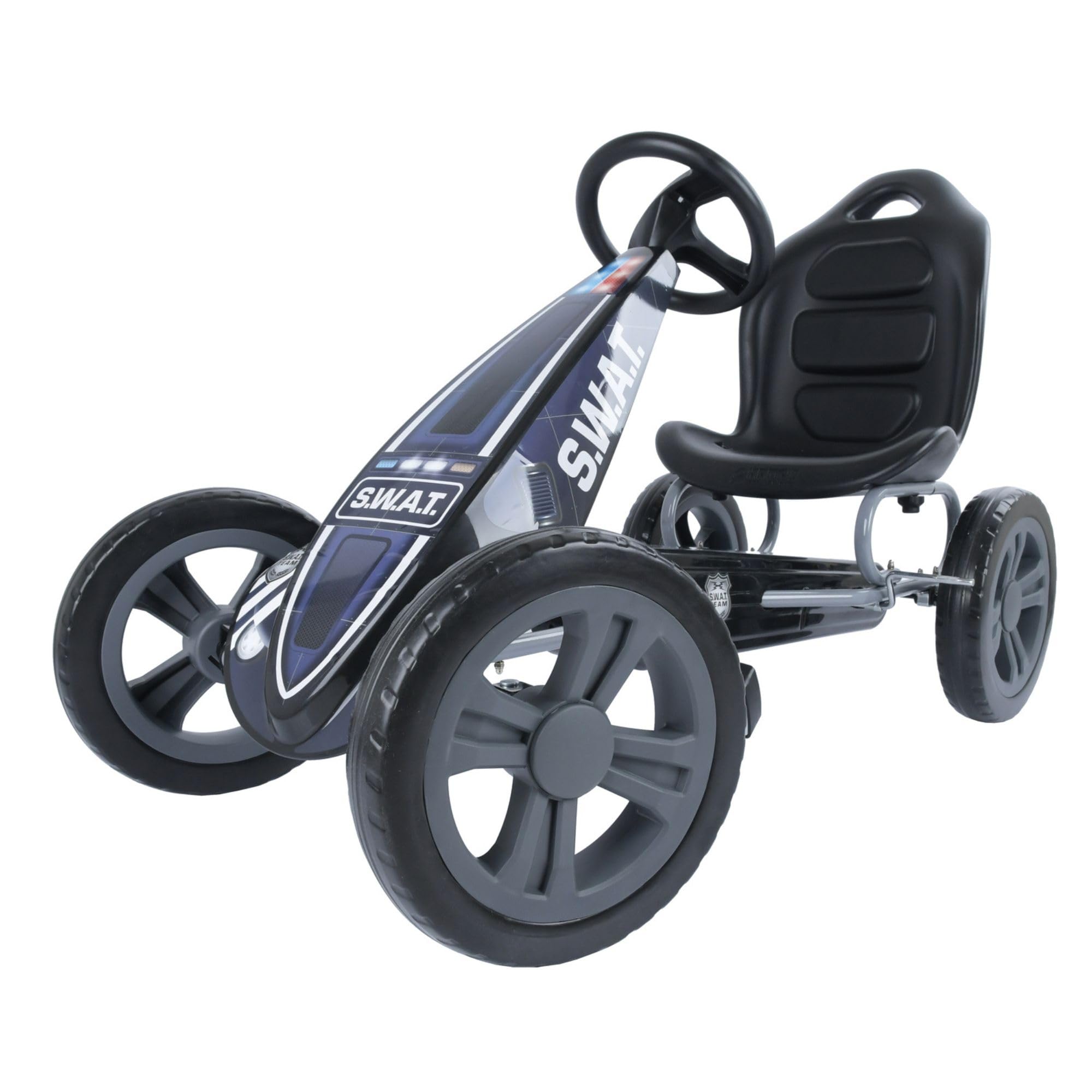
Image 1.1: The Hauck Cyclone Pedal Go Kart, showcasing its design and S.W.A.T. decals.
2. Safety Information
Your child's safety is paramount. Adhere to all safety guidelines to prevent injury.
2.1 General Safety Rules
- Adult Supervision Required: Always supervise children while they are operating the go-kart.
- Age and Weight Limits: Suitable for children aged 4 to 8 years. Maximum user weight is 55 kg (121 lbs). Do not exceed this limit.
- Protective Gear: Always ensure the child wears a helmet and appropriate safety gear (e.g., knee and elbow pads) when riding.
- Safe Riding Environment: Use the go-kart on flat, level surfaces away from traffic, steep inclines, stairs, swimming pools, and other hazards. Avoid riding on wet or uneven surfaces.
- Footwear: Ensure the child wears closed-toe shoes while operating the go-kart.
- No Passengers: This go-kart is designed for one rider only. Do not allow additional passengers.
- Braking: Instruct the child on how to properly use the handbrake. Ensure they understand how to stop safely.
2.2 Pre-Ride Checks
- Check that all nuts and bolts are securely tightened.
- Ensure the steering mechanism operates smoothly.
- Verify that the handbrake is fully functional and stops both rear wheels effectively.
- Inspect tires for damage or excessive wear.

Image 2.1: A child demonstrating safe operation, highlighting the go-kart's features for learning and speed control.
3. Initial Setup and Adjustment
The Hauck Cyclone Pedal Go Kart is designed for minimal assembly. Upon unboxing, perform the following checks and adjustments.
3.1 Unpacking
- Carefully remove all components from the packaging.
- Remove any protective materials or ties.
- Verify that all parts are present and undamaged.
3.2 Seat Adjustment
The go-kart features an adjustable bucket seat to accommodate different leg lengths, ensuring comfortable and efficient pedaling.
- Locate the seat adjustment mechanism, typically a lever or knob beneath the seat.
- Adjust the seat forward or backward until the child can comfortably reach the pedals with a slight bend in their knees at the furthest pedal extension.
- Ensure the seat is securely locked in position before use.
3.3 Brake Check
Before the first ride, test the handbrake to ensure it functions correctly.
- Push the go-kart forward manually.
- Engage the handbrake lever firmly. The go-kart should come to a complete stop, and both rear wheels should lock.
- If the brake does not function correctly, do not use the go-kart and contact customer support.

Image 3.1: Key features of the go-kart, including the adjustable seat, steel frame, and handbrake system.
4. Operating Instructions
Operating the Hauck Cyclone Pedal Go Kart is straightforward, promoting physical activity and coordination.
4.1 Getting Started
- Ensure the child is seated comfortably with the seat adjusted to their leg length.
- Instruct the child to place their feet on the pedals.
4.2 Pedaling and Steering
- To move forward, the child should pedal in a circular motion.
- To steer, turn the steering wheel left or right in the desired direction.
- Encourage smooth and controlled movements.
4.3 Braking
- To slow down or stop, the child should firmly squeeze the handbrake lever located on the side.
- Practice braking in an open, safe area until the child is proficient.
4.4 Learning and Development
The go-kart can also be used as a tool to teach basic traffic regulations and spatial awareness, such as understanding turns and even practicing 'reverse parking' in a fun, controlled environment.

Image 4.1: A child enjoying the Hauck Cyclone Pedal Go Kart in an outdoor setting.
5. Maintenance
Regular maintenance ensures the longevity and safe operation of your go-kart.
5.1 Cleaning
- Clean the go-kart with a damp cloth and mild soap. Avoid harsh chemicals or abrasive cleaners.
- Rinse thoroughly and dry immediately to prevent rust on metal components.
5.2 Inspection
- Periodically check all nuts, bolts, and fasteners for tightness. Tighten as necessary.
- Inspect the wheels and tires for wear, cracks, or damage.
- Check the steering mechanism for smooth operation and ensure there is no excessive play.
- Test the handbrake regularly to ensure it is responsive and effective.
- Inspect the frame for any signs of damage or bending.
5.3 Storage
- Store the go-kart in a dry, covered area to protect it from weather elements.
- Avoid prolonged exposure to direct sunlight, which can degrade plastic components.
6. Troubleshooting
This section addresses common issues you might encounter with your go-kart.
6.1 Go-Kart Does Not Move When Pedaling
- Check pedals: Ensure pedals are properly attached and not loose.
- Check chain/drive mechanism: Inspect for any obstructions or dislodged parts.
6.2 Steering is Stiff or Loose
- Stiff steering: Check for debris or obstructions in the steering column. Ensure no parts are bent.
- Loose steering: Inspect all connections in the steering mechanism for loose bolts or worn parts. Tighten as needed.
6.3 Handbrake Not Effective
- Cable tension: The brake cable might need adjustment. Consult a qualified technician if unsure.
- Brake pads/mechanism: Inspect the brake pads and mechanism on the rear wheels for wear or damage.
If you encounter issues not listed here or if troubleshooting steps do not resolve the problem, please contact customer support.
7. Specifications
| Model Number | 90609 |
| Brand | Hauck |
| Age Range | 4 to 8 years |
| Maximum User Weight | 55 kg (121 lbs) |
| Item Dimensions (L x W x H) | 41.7" x 20.1" x 23.2" (105.9 cm x 51.1 cm x 58.9 cm) |
| Item Weight | 10.28 kg (22.7 lbs) |
| Material | Tubular Steel Frame, Plastic Components (wheels, seat) |
| Wheel Diameter | 10 inches (EVA plastic) |
| Brake System | Handbrake for both rear wheels |
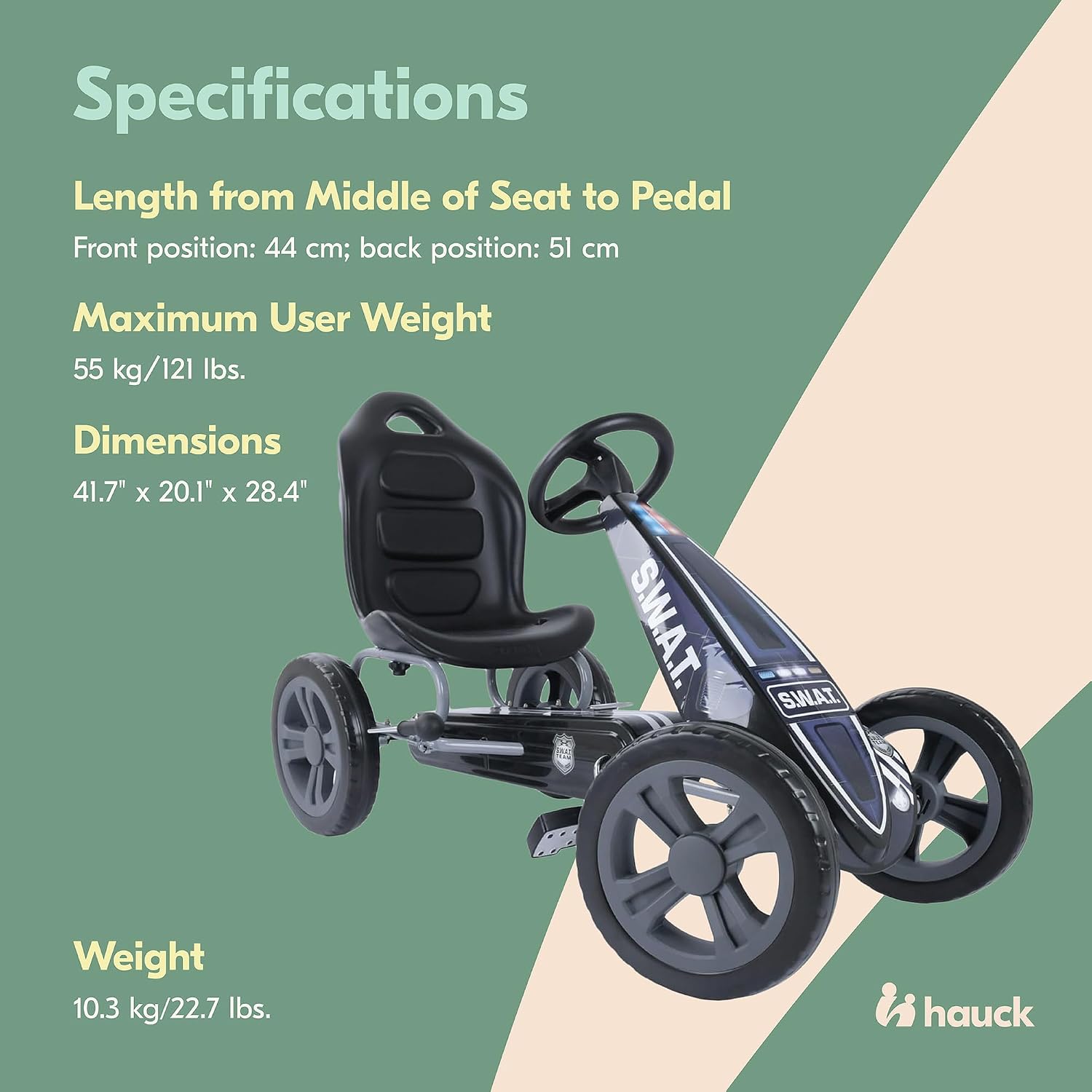
Image 7.1: Visual representation of key product specifications.
8. Warranty and Support
8.1 Warranty Information
Hauck products are manufactured to high-quality standards. For specific warranty details, please refer to the warranty card included with your purchase or visit the official Hauck website. Keep your proof of purchase for warranty claims.
8.2 Customer Support
If you have any questions, require assistance with assembly, or need to report a missing or damaged part, please contact Hauck customer support. Contact information can typically be found on the product packaging or the official Hauck website.
Please have your model number (90609) and purchase date ready when contacting support.
