
1. Introduction
Thank you for choosing the KOMPAK KP-KPW4000 Gasoline Pressure Washer. This manual provides essential information for the safe operation, assembly, maintenance, and troubleshooting of your new pressure washer. Please read this manual thoroughly before operating the unit and keep it for future reference.
The KOMPAK KP-KPW4000 is a powerful gasoline-powered pressure washer designed for heavy-duty cleaning tasks. It features a robust engine and high-pressure pump to deliver effective cleaning performance for various applications.
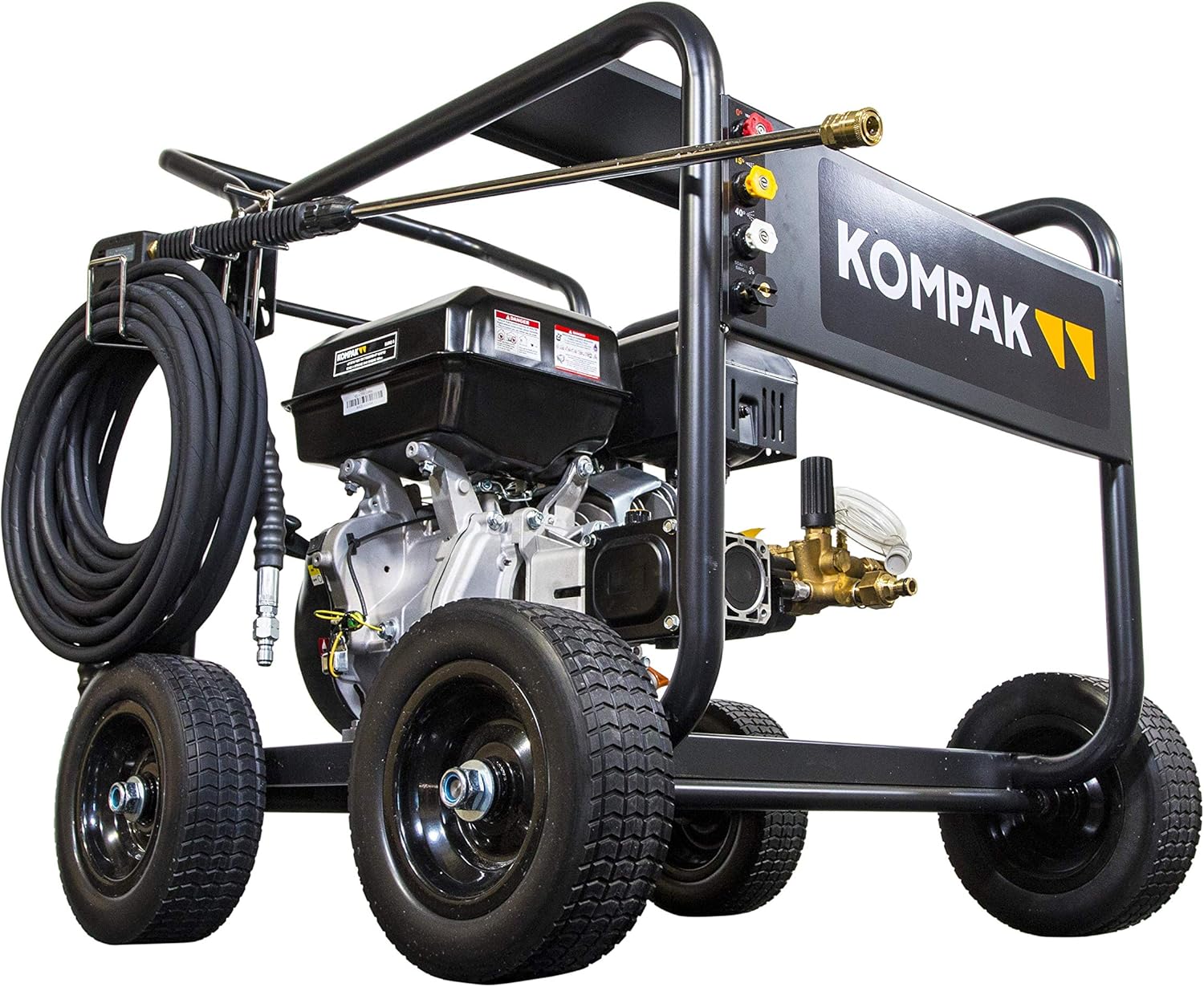
Figure 1.1: Front view of the KOMPAK KP-KPW4000 Gasoline Pressure Washer.
2. Safety Information
Always observe basic safety precautions when using this product to reduce the risk of injury or damage. Failure to follow these instructions can result in serious injury or property damage.
- Read the Manual: Understand all operating instructions and warnings before use.
- Personal Protective Equipment (PPE): Always wear eye protection (safety glasses), hearing protection, and appropriate footwear.
- Fuel Safety: Gasoline is highly flammable. Refuel in a well-ventilated area with the engine off and cool. Do not smoke or use open flames near the unit.
- Carbon Monoxide Hazard: Never operate the engine in an enclosed area. Exhaust fumes contain carbon monoxide, which can be fatal.
- High Pressure Hazard: The high-pressure spray can cause serious injury. Never direct the spray at people, pets, or electrical devices.
- Electrical Safety: Ensure all electrical connections are dry and secure. Do not operate with damaged cords.
- Stability: Operate the pressure washer on a stable, level surface to prevent tipping.
- Children and Pets: Keep children and pets away from the operating area.
3. Components Overview
Familiarize yourself with the main components of your KOMPAK KP-KPW4000 pressure washer before assembly and operation.

Figure 3.1: Side view showing the hose and spray gun attachment.
- Engine: Gasoline-powered engine.
- High-Pressure Pump: Generates the water pressure.
- Frame/Chassis: Provides structural support and mobility.
- Wheels: For easy transport.
- High-Pressure Hose: Connects the pump to the spray gun.
- Spray Gun: Handheld device for directing the high-pressure spray.
- Spray Wand/Lance: Extension for the spray gun.
- Nozzles: Interchangeable tips for different spray patterns and intensities.
- Water Inlet: Connection point for garden hose.
- Fuel Tank: For gasoline.
- Oil Fill Cap/Dipstick: For engine oil.
4. Setup and Assembly
Follow these steps to assemble and prepare your pressure washer for first use.
4.1 Unpacking
- Carefully remove all components from the packaging.
- Check for any damage during shipping. Contact your dealer immediately if any parts are damaged or missing.
- Ensure all listed components are present: main unit, wheels, handle, high-pressure hose, spray gun, spray wand, nozzles, and user manual.
4.2 Assembly
- Attach Wheels: Secure the wheels to the chassis using the provided hardware.
- Install Handle: Attach the handle to the main unit frame. Ensure it is securely fastened.
- Connect High-Pressure Hose: Connect one end of the high-pressure hose to the pump outlet and the other end to the spray gun. Tighten all connections securely by hand, then with a wrench if necessary, but do not overtighten.
- Attach Spray Wand: Connect the spray wand to the spray gun.
- Insert Nozzle: Select the desired nozzle and insert it into the end of the spray wand.
4.3 Engine Preparation
- Add Engine Oil: Remove the oil fill cap/dipstick. Fill the engine crankcase with the recommended engine oil (refer to engine manual for type and capacity). Do not overfill.
- Add Fuel: Fill the fuel tank with fresh, unleaded gasoline. Do not overfill. Leave space for fuel expansion. Always use a funnel to prevent spills.
4.4 Water Connection
- Connect a garden hose (minimum 5/8 inch diameter) to the water inlet on the pressure washer.
- Connect the other end of the garden hose to a cold water source.
- Turn on the water supply completely.
- Squeeze the trigger on the spray gun to purge air from the pump and hose until a steady stream of water emerges. This prevents damage to the pump.
5. Operating Instructions
Follow these steps for safe and effective operation of your pressure washer.

Figure 5.1: The pressure washer in operation, cleaning a vehicle.
5.1 Starting the Engine
- Ensure the water supply is fully open and all air has been purged from the system (as per Section 4.4).
- Set the engine switch to the 'ON' position.
- Move the choke lever to the 'CHOKE' position (if the engine is cold).
- Move the throttle lever to the 'FAST' position.
- Pull the recoil starter handle firmly and smoothly until the engine starts.
- Once the engine starts, gradually move the choke lever to the 'RUN' position.
- Allow the engine to warm up for a few moments before beginning operation.
5.2 Using the Pressure Washer
- Select Nozzle: Choose the appropriate nozzle for your cleaning task. Different nozzles provide different spray patterns and pressures.
- Test Spray: Always test the spray pattern and pressure in an inconspicuous area first to avoid damaging the surface.
- Maintain Distance: Keep a safe distance between the nozzle and the surface being cleaned. Start further away and move closer as needed.
- Even Strokes: Use smooth, overlapping strokes to ensure even cleaning.
5.3 Shutting Down
- Move the throttle lever to the 'SLOW' or 'IDLE' position.
- Turn the engine switch to the 'OFF' position.
- Turn off the water supply.
- Squeeze the spray gun trigger to release any remaining pressure in the system.
- Disconnect the garden hose and high-pressure hose.
6. Maintenance
Regular maintenance ensures optimal performance and extends the life of your pressure washer. Always perform maintenance with the engine off and cool, and the spark plug wire disconnected.
6.1 Engine Maintenance
- Check Engine Oil: Check oil level before each use. Change oil after the first 5 hours of operation, then every 50 hours or annually.
- Air Filter: Inspect the air filter before each use. Clean or replace if dirty.
- Spark Plug: Inspect and clean the spark plug annually or every 100 hours. Replace if necessary.
6.2 Pump Maintenance
- Inlet Screen: Regularly check and clean the water inlet screen to prevent debris from entering the pump.
- Winterization: If storing in freezing temperatures, drain all water from the pump and hoses. Use a pump saver solution to protect internal components.
6.3 General Maintenance
- Hose and Nozzles: Inspect high-pressure hose for kinks, cuts, or leaks. Clean nozzles regularly to prevent blockages.
- Storage: Store the pressure washer in a clean, dry, and well-ventilated area, away from direct sunlight and extreme temperatures.
7. Troubleshooting
This section addresses common issues you might encounter. For problems not listed here, contact customer support.
| Problem | Possible Cause | Solution |
|---|---|---|
| Engine will not start | No fuel; Engine switch OFF; Choke incorrect; Spark plug issue | Add fuel; Turn engine switch ON; Adjust choke; Check/replace spark plug |
| Low water pressure | Insufficient water supply; Clogged nozzle; Air in pump; Kinked hose | Ensure full water supply; Clean nozzle; Purge air from pump; Straighten hose |
| Engine runs rough | Stale fuel; Dirty air filter; Spark plug issue | Drain and refill with fresh fuel; Clean/replace air filter; Check/replace spark plug |
| Water leaks from pump | Loose fittings; Damaged seals | Tighten fittings; Contact service for seal replacement |
8. Technical Specifications
Below are the key technical specifications for the KOMPAK KP-KPW4000 Pressure Washer.

Figure 8.1: Product dimensions for the KOMPAK KP-KPW4000.
| Feature | Specification |
|---|---|
| Model Number | KP-KPW4000 |
| Max Pressure | 4000 psi / 270 bar |
| Max Flow Rate | 15 l/min |
| Engine Displacement | 420 cc |
| Engine Power | 14 hp |
| Engine Speed | 3600 rpm |
| Fuel Tank Capacity | 6.6 l |
| Power Source | Gasoline-powered |
| Product Dimensions (L x W x H) | 82 x 68 x 44 cm |
| Product Weight | 88 kg |
9. Warranty and Customer Support
For warranty information, please refer to the warranty card included with your product or visit the official KOMPAK website. If you have any questions, require technical assistance, or need to order replacement parts, please contact KOMPAK customer support through the contact details provided in your product documentation or on the manufacturer's website.