
1. Product Overview
This manual provides instructions for the installation, operation, and maintenance of the Speedmaster PCE146.1011 High Volume Mechanical Fuel Pump. This pump is designed for specific automotive applications, particularly compatible with Chevy BBC 454 engines. It features a chrome finish and 3/8" NPT fittings.
The Speedmaster PCE146.1011 is a mechanical fuel pump engineered for performance and reliability in racing applications. It delivers a free flow rate of 115 gallons per hour (gph) and maintains a maximum pressure of 6.5 psi.
2. Specifications
| Part Number | PCE146.1011 |
| Part Type | Fuel Pump, Mechanical |
| Free Flow Rate | 115 gph |
| Maximum Pressure | 6.5 psi |
| Inlet Quantity | One |
| Inlet Attachment | Female threads |
| Inlet Size | 3/8 in. NPT |
| Outlet Quantity | One |
| Outlet Attachment | Female threads |
| Outlet Size | 3/8 in. NPT |
| Material | Chrome (Body: Alloy Steel) |
| Dimensions (L x W x H) | 6 x 4.7 x 4.5 inches |
| Item Weight | 1.47 pounds |
| Operation Mode | Mechanical |
| Mounting Type | Front Mount |
| Vehicle Service Type | Truck (Vehicle Specific Fit) |
3. Installation
Important Safety Notice: Installation of automotive fuel system components should only be performed by qualified personnel with experience in automotive repair. Improper installation can lead to fuel leaks, fire hazards, and severe injury. Always disconnect the vehicle's battery before beginning work. Ensure the engine is cool and depressurize the fuel system.
- Preparation: Gather all necessary tools, including wrenches, screwdrivers, a drain pan for fuel, and appropriate safety gear (gloves, eye protection). Ensure the vehicle is on a stable, level surface.
- Disconnect Battery: Disconnect the negative terminal of the vehicle's battery to prevent accidental electrical shorts.
- Depressurize Fuel System: Consult your vehicle's service manual for the correct procedure to safely depressurize the fuel system.
- Remove Old Fuel Pump:
- Locate the existing mechanical fuel pump on the engine block.
- Place a drain pan underneath to catch any residual fuel.
- Carefully disconnect the fuel lines from the old pump. Cap or plug the lines to prevent fuel leakage and contamination.
- Unbolt and remove the old fuel pump from the engine block. Note the orientation of the pump and the pushrod (if applicable).
- Install New Fuel Pump:
- Ensure the mounting surface on the engine block is clean and free of debris.
- Apply a thin layer of RTV sealant or a new gasket (if supplied) to the mounting surface of the new Speedmaster fuel pump.
- Carefully align the new pump with the mounting holes and the fuel pump pushrod (if present). Ensure the pushrod is properly seated against the pump's lever arm.
- Secure the pump with the mounting bolts, tightening them to the manufacturer's specified torque. Do not overtighten.
- Reconnect the fuel lines to the inlet and outlet ports of the new pump. Ensure all connections are tight and leak-free. The Speedmaster PCE146.1011 features 3/8" NPT female threads for both inlet and outlet.
- Final Checks:
- Double-check all fuel line connections for tightness.
- Reconnect the vehicle's battery.
- Start the engine and immediately check for any fuel leaks around the pump and fuel lines. Address any leaks before operating the vehicle.
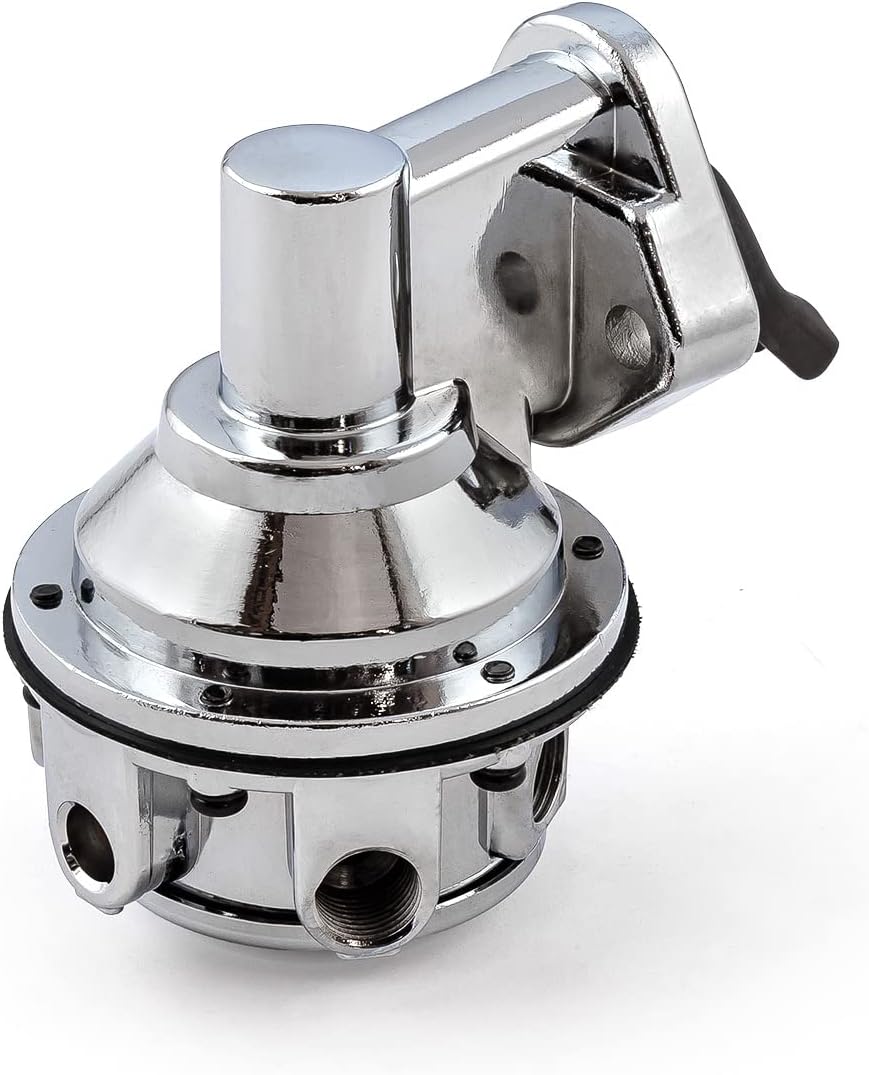
Figure 1: Front view of the Speedmaster PCE146.1011 Mechanical Fuel Pump, showcasing its chrome finish and inlet/outlet ports.

Figure 2: Side view of the fuel pump, highlighting the mechanical lever arm that interacts with the engine's camshaft.
4. Operation
The Speedmaster PCE146.1011 is a camshaft-driven mechanical fuel pump. As the engine operates, the camshaft lobe actuates the pump's lever arm, which in turn moves a diaphragm or piston inside the pump. This action creates a vacuum to draw fuel from the fuel tank through the inlet port and then pressurizes it, pushing it out through the outlet port towards the carburetor or fuel injection system. The pump is designed to deliver a consistent fuel flow and pressure (6.5 psi) necessary for optimal engine performance in its intended applications.

Figure 3: Bottom view of the fuel pump, clearly indicating the "IN" (inlet) and "OUT" (outlet) ports for fuel line connection.
5. Maintenance
Mechanical fuel pumps are generally low-maintenance components. However, regular inspection can help ensure longevity and proper function.
- Visual Inspection: Periodically inspect the fuel pump and surrounding fuel lines for any signs of leaks, cracks, or damage. Check for corrosion on the pump body and fittings.
- Fuel Filter: Ensure that a clean, properly functioning fuel filter is installed upstream of the fuel pump to protect it from contaminants. Replace fuel filters according to your vehicle's maintenance schedule.
- Mounting Security: Verify that the fuel pump remains securely mounted to the engine block. Loose mounting can lead to vibration and premature wear.
- Fuel Quality: Using clean, high-quality fuel helps prevent internal pump damage and clogging.
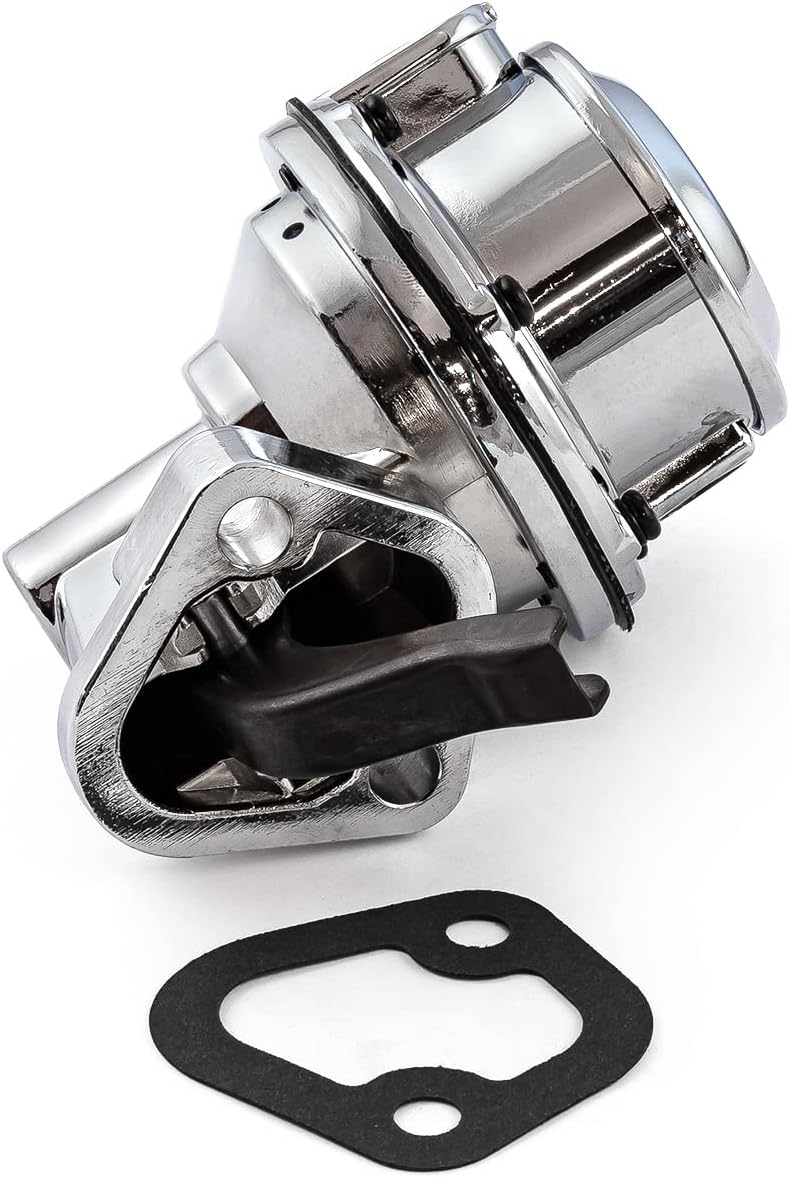
Figure 4: The Speedmaster PCE146.1011 fuel pump shown alongside its mounting gasket, essential for a leak-free seal during installation.
6. Troubleshooting
If you experience issues with your fuel system, consider the following common troubleshooting steps related to the mechanical fuel pump:
- No Fuel Delivery / Low Fuel Pressure:
- Check fuel tank level.
- Inspect fuel lines for kinks, blockages, or leaks.
- Verify fuel filter is not clogged.
- Ensure the fuel pump pushrod (if applicable) is properly engaging the pump's lever arm.
- Check for air leaks in the suction side of the fuel system.
- Fuel Leaks:
- Inspect all fuel line connections for tightness.
- Check the fuel pump mounting gasket for proper seal.
- Examine the pump body for cracks or damage.
- Excessive Noise:
- Ensure the pump is securely mounted.
- Check for air in the fuel system.
- A failing pump can sometimes produce unusual noises; consider professional diagnosis.
If troubleshooting steps do not resolve the issue, it is recommended to consult a professional automotive technician.
7. Legal Disclaimer and Safety Information
Intended for racing applications only. Not for street use.
This product is designed for off-road and racing use only. It may not comply with emissions or safety regulations for street-legal vehicles. The user assumes all risks associated with its installation and use. Always wear appropriate personal protective equipment when working with fuel systems. Fuel is highly flammable; ensure adequate ventilation and keep ignition sources away from the work area.
8. Support
For further assistance or technical inquiries regarding your Speedmaster PCE146.1011 Mechanical Fuel Pump, please visit the official Speedmaster website or contact their customer support.


