
1. Introduction
The PQWT L4000 is a newly updated, multi-functional water leak detector designed for both indoor and outdoor applications. It is engineered to accurately detect leaks in various water pipelines, including outdoor water pipes, fire pipes, heating systems, indoor water pipes, and underground heating floor pipes. By capturing and analyzing leakage sound signals, the device processes this data, displaying it visually as a spectrum and signal bars on a high-definition screen, while simultaneously playing audio through professional headphones. This dual approach allows for precise leak pinpointing by both auditory and visual cues.
The L4000 model offers versatile detection capabilities, covering outdoor depths of up to 5 meters and indoor depths of up to 0.5 meters. It is optimized for various ground types, including hardened and soft outdoor surfaces, and different indoor floor materials.
2. Product Components
The PQWT L4000 Water Leak Detector comes with the following main components:
- Host Machine: The main processing unit with a high-definition display screen.
- Headphones: Professional noise-reduction headphones for clear audio monitoring of leak sounds.
- Medium Sensor: Designed for outdoor surfaces, suitable for normal environments.
- Vertical Sensor (Triangular Sensor): Optimized for indoor floors and narrow spaces, providing clear, adjustable audio signals.
- Handle Connector: Used to attach the sensors to the telescopic pole.
- Probes: For inserting into soft soil or lawns.
- Carry Case: For convenient storage and transport of all components.
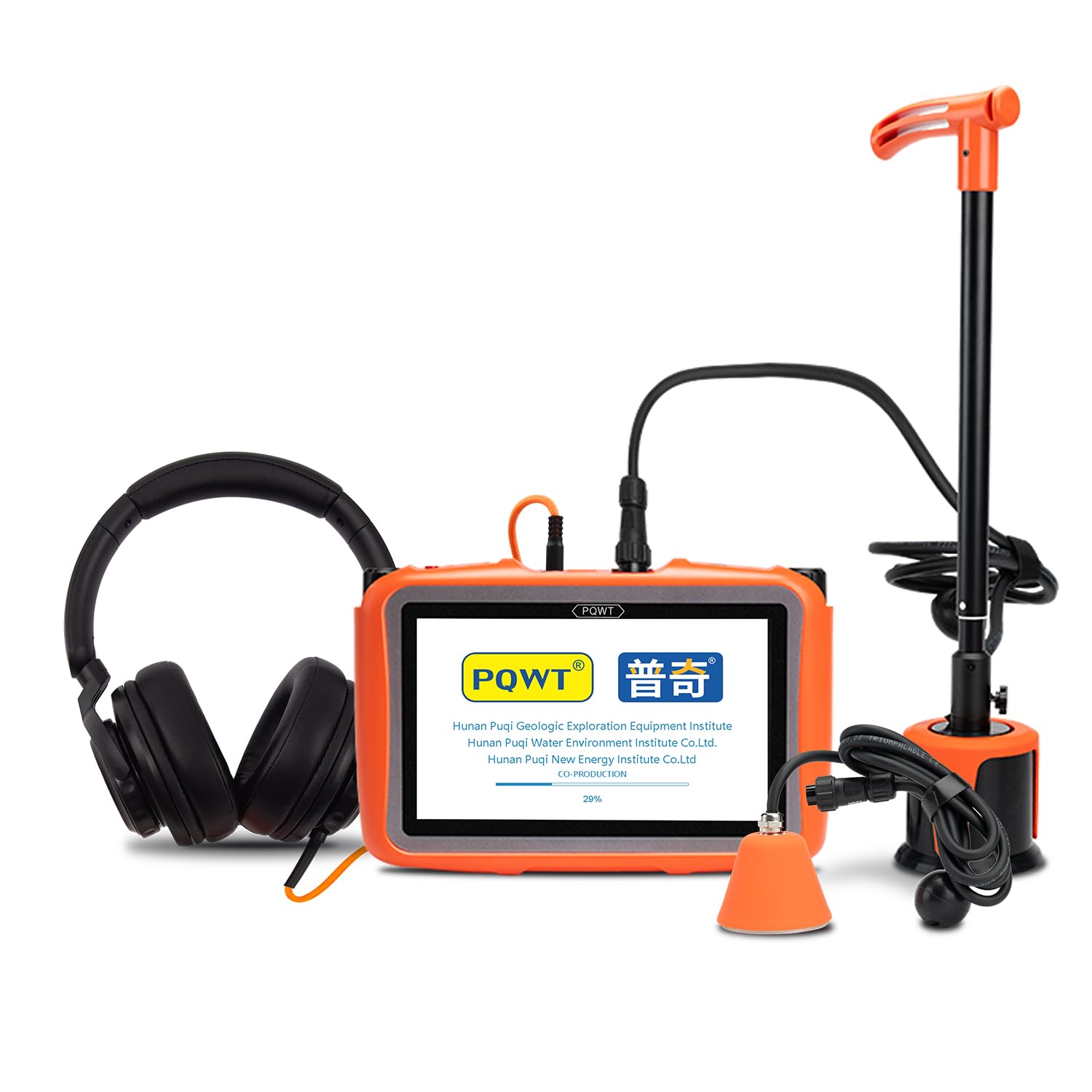
Figure 2.1: Main components of the PQWT L4000 Water Leak Detector.
Host Machine Interface and Controls:

Figure 2.2: Close-up of the PQWT L4000 host machine interface.
- Right Knob Switch: Adjusts settings or volume.
- USB Charge Interface: For charging the device (5V USB).
- Five-core Air Plug: Connects the sensor cable.
- Headphone Jack: Connects the professional headphones.
- Indicator: Status light.
- Left Knob Switch: Adjusts settings or volume.
- Reset Key: For resetting the device.
- Switch Button: Power on/off.
3. Setup
Follow these steps to set up your PQWT L4000 for operation:
- Attach the Strap: Securely connect the provided strap to the host machine for comfortable carrying during detection.
- Connect the Sensor: Depending on your detection environment (indoor or outdoor), choose either the Medium Sensor (for outdoor) or the Vertical/Triangular Sensor (for indoor floors/narrow spaces). Attach the chosen sensor to the telescopic pole using the handle connector.
- Connect Sensor to Host Machine: Plug the sensor cable (from the telescopic pole) into the Five-core Air Plug interface on the host machine.
- Connect Headphones: Plug the professional noise-reduction headphones into the Headphone Jack on the host machine.
- Power On: Press and hold the Switch Button to power on the device. Ensure the battery is sufficiently charged.
Video 3.1: Demonstrates the general operation and setup of the L-series leak detector, including connecting components.
4. Operating Modes
The PQWT L4000 offers different operating modes to suit various leak detection scenarios.
4.1 General Detection Mode
This mode is primarily used for initial scanning of large areas to identify potential leakage zones. The operator walks with the sensor, listening for abnormal sounds and observing the spectrum display on the screen.
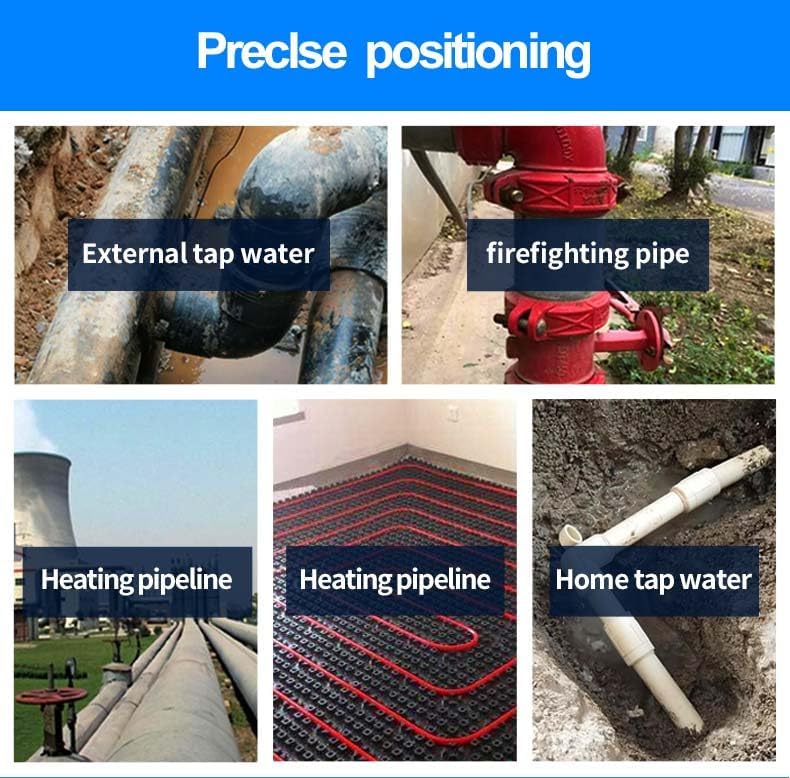
Figure 4.1: Illustration of using different sensors for indoor and outdoor general detection.

Figure 4.2: Operator performing indoor general detection with the vertical sensor.
4.2 Locating Mode
Once a suspected leakage area is identified, the locating mode is used to pinpoint the exact leak location. This involves systematically checking points within the suspected area and comparing the sound and signal values.
- Move the sensor across the suspected area, taking readings at regular intervals.
- Observe the visual spectrum and signal bars on the display. A higher signal value and distinct sound indicate a closer proximity to the leak.
- Mark the point with the highest and most consistent signal/sound as the suspected leak point.
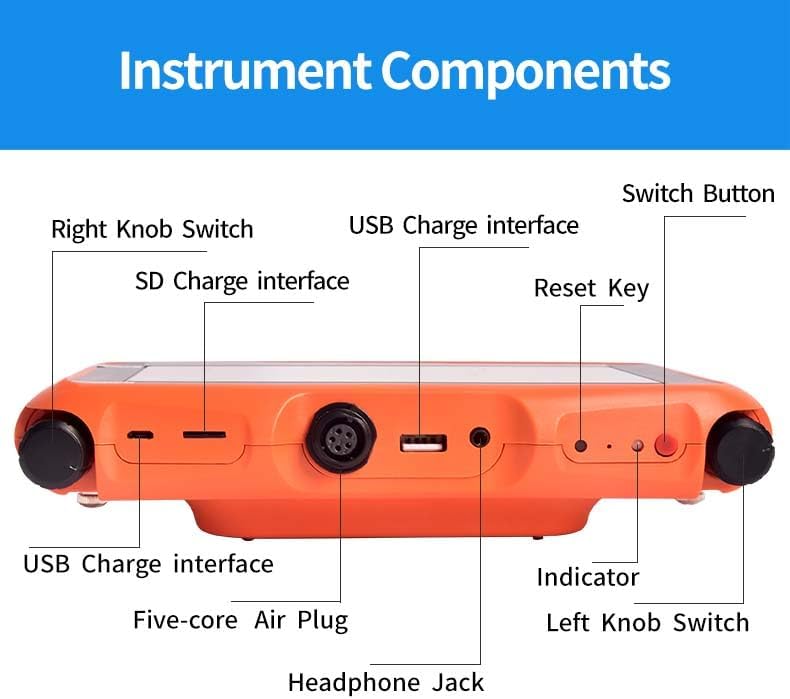
Figure 4.3: Visual spectrum display showing increased signal near a leak point.
Video 4.1: Demonstrates indoor and outdoor leak detection, including pressure testing and pinpointing leaks using the L-series device.
Video 4.2: Shows the operation of the L-series indoor leak detector, focusing on the process of locating a leak.
5. Applications
The PQWT L4000 is versatile and can be applied to detect leaks in a wide range of pipeline systems:
- Outdoor Water Pipes: For municipal water supply lines, irrigation systems, etc.
- Fire Pipes: Detecting leaks in fire suppression systems.
- Heating Systems: Identifying leaks in heating pipelines, including underground heating floor pipes.
- Indoor Water Pipes: For household plumbing within walls, floors, and cabinets.
- Underground Heating Floor Pipes: Specialized for detecting leaks in radiant floor heating systems.

Figure 5.1: Various applications for precise leak positioning.
6. Maintenance
- Charging: The device features 5V USB convenient charging. Ensure the device is fully charged before use to maximize its 15-hour standby battery life.
- Battery Care: The device uses Lithium Ion batteries with an average life of 2 years. If the instrument is not used for a long time, please charge it once a month at least to maintain battery health.
- Storage: Store the device and all components in the provided carry case to protect them from damage. The device is designed for a wide operating temperature range from -20℃ to +50℃, but extreme temperatures should be avoided during storage.
- Cleaning: Keep sensors and the host machine clean and free from debris. Use a soft, dry cloth for cleaning.
7. Troubleshooting
If you encounter issues with your PQWT L4000, refer to the following common troubleshooting steps:
- No Sound or Signal:
- Check if the headphones are securely plugged into the headphone jack.
- Verify that the sensor cable is firmly connected to the host machine's Five-core Air Plug.
- Ensure the device is powered on and has sufficient battery charge.
- Adjust the Left/Right Knob Switches to increase volume or sensitivity.
- Inaccurate Readings or High Noise:
- Ensure you are using the correct sensor for the surface type (Medium Sensor for outdoor, Vertical/Triangular Sensor for indoor).
- Minimize ambient noise in the detection environment as much as possible.
- For outdoor detection, select the corresponding detection parameters (soil texture, pipe material) according to the actual environment in the device settings.
- Device Not Powering On:
- Check the battery level. Connect the device to a power source using the USB Charge Interface.
- Ensure the charging cable and adapter are functioning correctly.
- If the device has been stored for a long time, it might require a longer charge.
8. Specifications
| Feature | Specification |
|---|---|
| Model Number | L4000 |
| Outdoor Detection Depth | 5 meters |
| Indoor Detection Depth | 0.5 meters |
| Frequency Range | 1-10000 Hz |
| Operating Temperature | -20℃ to +50℃ |
| Item Weight | 17.78 pounds (Main unit: 0.75 Kg) |
| Product Dimensions | 10.63 x 6.3 x 10.63 inches (packaging) / 8.66"L x 16.54"W x 22.05"H (device) |
| Number of Batteries | 2 AAA batteries (included) |
| Battery Cell Type | Lithium Ion |
| Average Battery Life | 15 hours (standby), 2 years (average life) |
| Voltage | 3.7 Volts |
| Control Method | App, Touch |
| Sensor Technology | Ultrasonic Sensor |
| Included Components | Carry case, Headphone, Host machine, Sensor |
9. Safety Information
Please observe the following safety guidelines to ensure safe and effective operation of your PQWT L4000:
- It is forbidden to put the sensor into water. Please handle and place the sensor gently.
- It is forbidden to use the device in flammable and explosive areas such as those containing gasoline and natural gas.
- For outdoor pipeline leak detection, please select the corresponding detection parameters (e.g., soil texture, pipe material) according to the actual environment for optimal performance and safety.
- If the instrument is not used for a long time, please charge it once a month at least to prevent battery degradation.
- When detecting areas with soft soil or a lawn, it is recommended to use the sound pole for better contact and signal reception.
10. Warranty and Support
The PQWT L4000 Underground Water Leak Detector comes with 2 years of worry-free use. For any technical assistance, troubleshooting beyond this manual, or warranty claims, please contact PQWT customer support. Ensure you have your product model number and purchase details ready when contacting support.


