
1. Product Overview
The ARB SS445HF Safari Snorkel V-SPEC Air Intake Kit is engineered to provide enhanced engine protection for Toyota 4Runner models manufactured between 2003 and 2009. This system relocates the engine's air intake point from a low, vulnerable position to a higher, safer location, ensuring a constant supply of cleaner, drier air. This is crucial for vehicles operating in environments with deep water crossings, heavy dust, or other challenging conditions.
The V-SPEC technology incorporates a robust design and high-quality materials to withstand harsh off-road use.
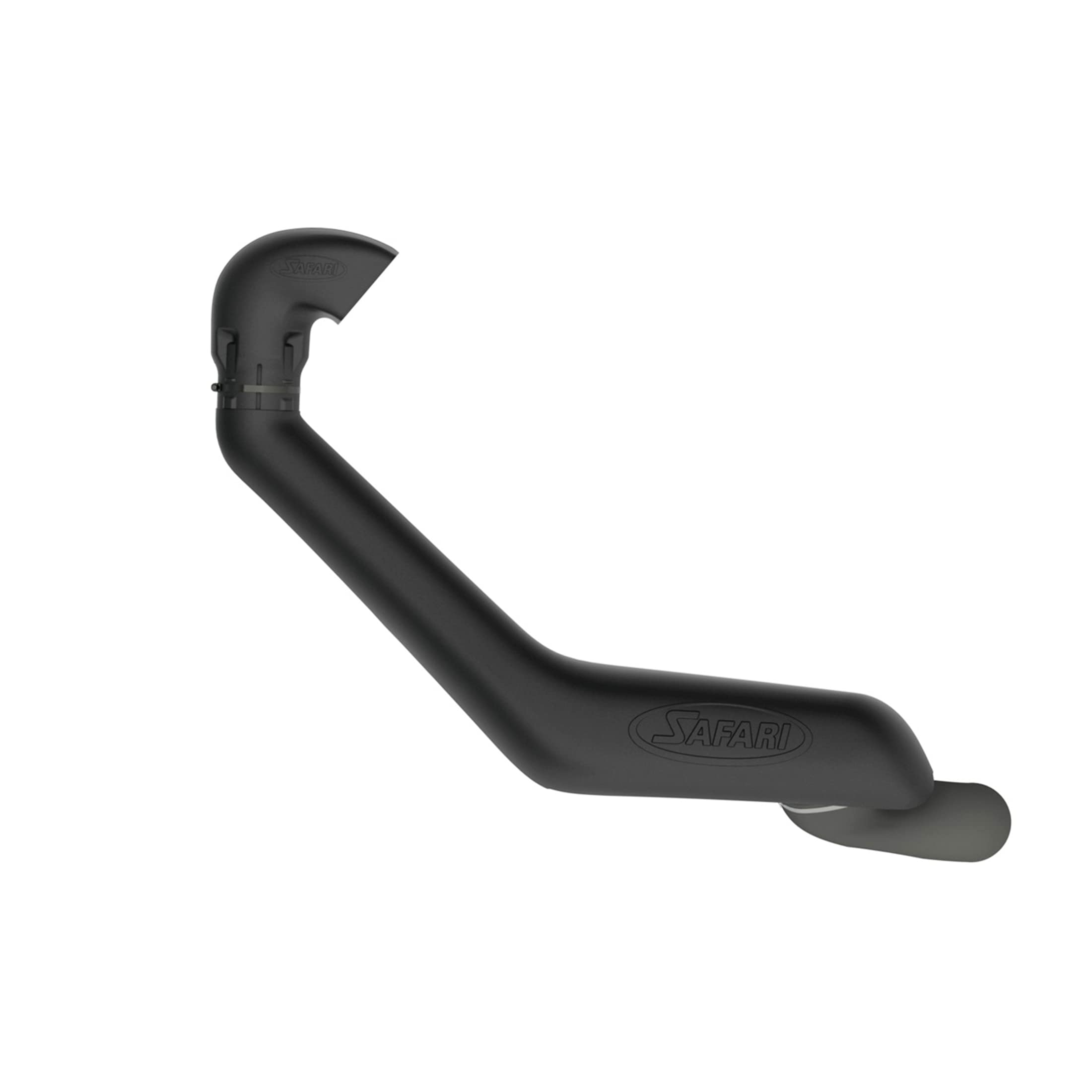
Image 1.1: The ARB SS445HF Safari Snorkel main air intake unit.
2. Installation Guide
Installation of the ARB SS445HF Safari Snorkel requires specialized tools and technical expertise, including cutting into the vehicle's bodywork. Professional installation by a qualified technician is highly recommended to ensure proper fitment, sealing, and optimal performance, as well as to maintain vehicle integrity.
2.1. Pre-Installation Checks
- Verify all kit components are present and undamaged against the parts list provided in the packaging.
- Ensure the vehicle is clean and dry in the installation area.
- Gather all necessary tools, including a drill, hole saws (e.g., 3.5-inch and 4.5-inch carbide), cutting tools, sealants, and measuring equipment.
2.2. General Installation Steps (Overview)
- Fender Preparation: Carefully apply the provided template to the vehicle's fender. Mark and cut the necessary holes for the snorkel body and mounting points. Precision is critical to avoid damage and ensure a proper seal.
- A-Pillar Mounting: Secure the upper portion of the snorkel to the vehicle's A-pillar using the supplied brackets and hardware.
- Air Intake Connection: Connect the snorkel's internal ducting to the vehicle's factory airbox. Ensure all connections are tight and properly sealed to prevent water or dust ingress.
- Final Assembly and Sealing: Mount the snorkel body to the fender, ensuring all bolts are tightened to specification. Apply appropriate sealants to all cut edges and connection points as instructed in the detailed installation manual.
- Inspection: Thoroughly inspect all connections, seals, and mounting points for security and integrity.

Image 2.1: The ARB Safari Snorkel installed on a vehicle, showing its profile.

Image 2.2: Components of the ARB Safari Snorkel kit, including the main body, head, and mounting hardware.
3. Operation
The ARB Safari Snorkel operates passively by redirecting the engine's air intake. Once installed, it continuously provides a higher and cleaner air source to your engine.
3.1. Engine Protection
- Water Ingestion Prevention: By raising the air intake point above the vehicle's roofline, the snorkel significantly reduces the risk of water entering the engine during water crossings, protecting against hydrostatic lock and severe engine damage.
- Dust Filtration: In dusty conditions, the elevated air intake draws air from a less turbulent and cleaner zone, reducing the amount of dust reaching the air filter and extending its lifespan.
- Air Ram Design: The snorkel head features an efficient air ram design that acts as a water separator, removing rainwater from the incoming air stream before it reaches the engine.

Image 3.1: A vehicle equipped with an ARB Safari Snorkel navigating a water crossing, demonstrating its protective function.

Image 3.2: Diagram showing the airflow and water separation mechanism within the Safari Snorkel head.
4. Maintenance
Regular maintenance ensures the longevity and effectiveness of your ARB Safari Snorkel.
- Snorkel Head Inspection: Periodically check the snorkel head for any obstructions such as leaves, insects, or debris. Clear any blockages to maintain optimal airflow.
- Connection and Seal Check: After off-road excursions or at regular service intervals, inspect all connections and seals for cracks, looseness, or damage. Ensure they remain watertight and airtight.
- Exterior Cleaning: Clean the exterior of the snorkel with mild soap and water as needed to remove dirt and grime. Avoid harsh chemicals that could damage the UV-stabilized polyethylene material.
- Air Filter Inspection: While the snorkel provides cleaner air, the vehicle's air filter still requires regular inspection and replacement according to the vehicle manufacturer's recommendations.
5. Troubleshooting
If you encounter issues with your ARB Safari Snorkel, consider the following common troubleshooting steps:
- Reduced Engine Performance:
- Check the snorkel head for any blockages.
- Inspect the internal ducting for kinks or obstructions.
- Ensure the vehicle's air filter is clean and not clogged.
- Water Ingress into Airbox:
- Verify all seals and connections between the snorkel and the airbox are secure and watertight.
- Re-examine the installation points on the fender and A-pillar for any compromised seals.
- Unusual Noises:
- Check all mounting hardware for tightness.
- Inspect the snorkel body for any cracks or damage that could cause whistling or rattling.
If problems persist, contact ARB customer support or a certified ARB installer.
6. Specifications
| Feature | Detail |
|---|---|
| Brand | ARB |
| Model Number | SS445HF |
| Fit Type | Compatible for Toyota 4Runner 2003 - 2009 |
| OEM Part Number | SS445HF |
| Material | UV Stable Cross-Linked Polyethylene |
| Airflow | Designed to meet or exceed factory inlet airflow |
7. Warranty Information
For detailed warranty information regarding your ARB SS445HF Safari Snorkel, please refer to the official warranty documentation included with your product packaging or visit the official ARB website. Warranty terms and conditions may vary and are subject to change by the manufacturer.
8. Customer Support
If you require further assistance, have questions about installation, operation, or maintenance, please contact ARB customer support through their official channels:
- Official Website: Visit www.arb.com.au for product information, FAQs, and contact details.
- Authorized Dealers: Contact your local authorized ARB dealer for expert advice and service.


