
Introduction
This manual provides instructions for the installation, operation, and maintenance of the NewYall 4-Pack TPMS (Tire Pressure Monitoring System) Sensor, operating at 433 MHz. This sensor is designed to monitor tire pressure and transmit data to your vehicle's onboard system, ensuring optimal tire performance and safety. Proper installation and programming are crucial for the correct functioning of the system.
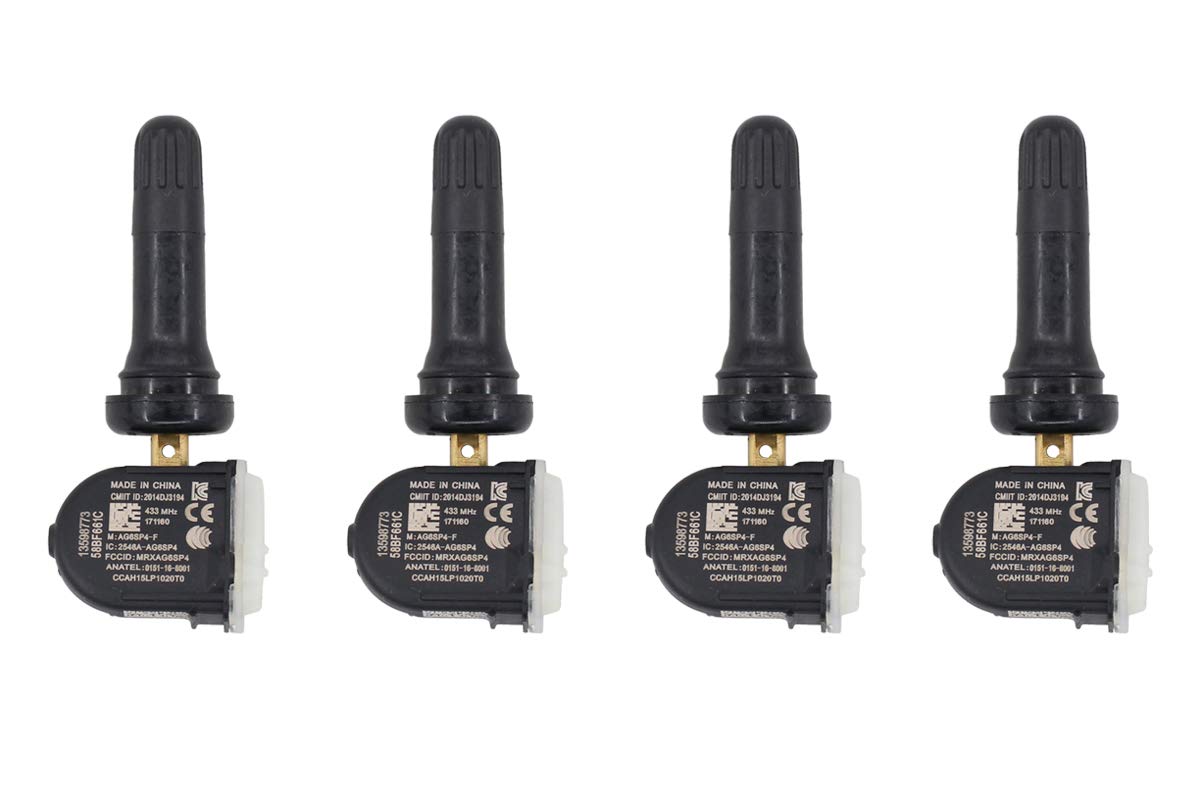
Figure 1: Front view of the NewYall TPMS Sensor, showing the valve stem and sensor body with identification markings.
Compatibility
The NewYall TPMS Sensor (Model 13598773) is compatible with a wide range of General Motors (GM) vehicles, including various models from Chevrolet, Cadillac, Buick, and GMC. For a comprehensive list of compatible models and years, please refer to the product's original listing or consult your vehicle's manufacturer specifications.
Original Reference Numbers: 13581561, 13589256, 13589601, 13598773, 20922901, 22853740, 22959742, 25880395, 13540602, 25461. A-AG6SP4, 13522629, 13522955, 13516165.
Setup and Installation
Installation of TPMS sensors typically requires professional assistance due to the need for tire removal, mounting, and balancing, followed by sensor programming. Incorrect installation can lead to sensor damage or improper system function.
Installation Steps:
- Tire Removal: Safely remove the tire from the wheel using appropriate equipment.
- Old Sensor Removal: Carefully remove the old TPMS sensor from the wheel. Note the orientation for the new sensor.
- New Sensor Installation: Install the new NewYall TPMS sensor according to the wheel manufacturer's guidelines. Ensure proper seating and torque of the valve stem nut.
- Tire Mounting and Balancing: Mount the tire back onto the wheel and balance it to prevent vibrations.
- Sensor Programming/Relearn Procedure: After physical installation, the new sensors must be programmed or "relearned" by the vehicle's TPMS system. This often requires a specialized TPMS relearn tool or a specific driving procedure. Consult your vehicle's service manual for the exact relearn procedure. Failure to perform the relearn procedure will result in the TPMS warning light remaining on.

Figure 2: Side view of the TPMS sensor, highlighting the valve stem component.
Operating Instructions
Once installed and properly programmed, the NewYall TPMS sensors automatically monitor your vehicle's tire pressure. The sensor transmits pressure data wirelessly to your vehicle's onboard computer. If tire pressure falls below or rises above the recommended levels, your vehicle's TPMS warning light will illuminate on the dashboard, indicating a need for attention.
- Always maintain correct tire pressure as specified by your vehicle manufacturer, typically found on a sticker inside the driver's side door jamb or in the owner's manual.
- The TPMS system is a safety feature; it does not replace regular manual tire pressure checks.

Figure 3: Angled view of the TPMS sensor, showing the connection between the valve stem and the sensor body.
Maintenance
TPMS sensors are typically sealed units and do not require user maintenance. The internal battery is designed to last for several years (typically 5-10 years) under normal operating conditions. When the battery depletes, the sensor will need to be replaced.
- Regular Checks: Regularly check tire pressure manually with a reliable gauge, even with TPMS, to ensure accuracy and proper tire health.
- Valve Stem Inspection: Inspect valve stems for damage or corrosion during tire rotations or replacements. Replace valve stem components if necessary.
- Professional Service: For any TPMS-related service, it is recommended to consult a qualified automotive technician.
Troubleshooting
If the TPMS warning light illuminates on your dashboard, follow these troubleshooting steps:
- Check Tire Pressure Manually: Use a reliable tire pressure gauge to check the pressure in all four tires, including the spare if applicable. Inflate tires to the vehicle manufacturer's recommended pressure.
- Relearn Procedure: If sensors were recently replaced or tires rotated, the vehicle's TPMS system might need a relearn procedure. Consult your vehicle's service manual or a qualified technician for the specific steps.
- Sensor Malfunction: If tire pressures are correct and the relearn procedure fails, one or more sensors might be malfunctioning or have a depleted battery. Professional diagnostic tools can identify faulty sensors.
- Environmental Factors: Extreme temperature changes can temporarily affect tire pressure readings. Pressure typically drops in cold weather and rises in hot weather.

Figure 4: Detailed view of the TPMS sensor body, showing various identification and certification markings.
Specifications
| Brand | NewYall |
| Model Number | 13598773 |
| Operating Frequency | 433 MHz |
| Material | Silicon |
| Maximum Supply Voltage | 12 Volts (DC) |
| Measurement Accuracy | +/- 2 psi or +/- 3 psi |
Warranty and Support
For specific warranty information regarding your NewYall TPMS Sensor, please refer to the original purchase documentation or contact NewYall customer support directly. For technical assistance, it is recommended to consult a certified automotive technician or reach out to the product manufacturer for guidance.