
1. Introduction
This manual provides essential information and instructions for the TRQ BFA73225 Rear Ceramic Brake Pads. These brake pads are engineered to meet or exceed original equipment (OE) standards, ensuring reliable performance and durability. Proper installation and maintenance are crucial for optimal braking performance and vehicle safety.
Please read this manual thoroughly before attempting installation or performing any maintenance. For detailed visual guidance, TRQ offers step-by-step installation videos tailored to specific vehicle makes and models.
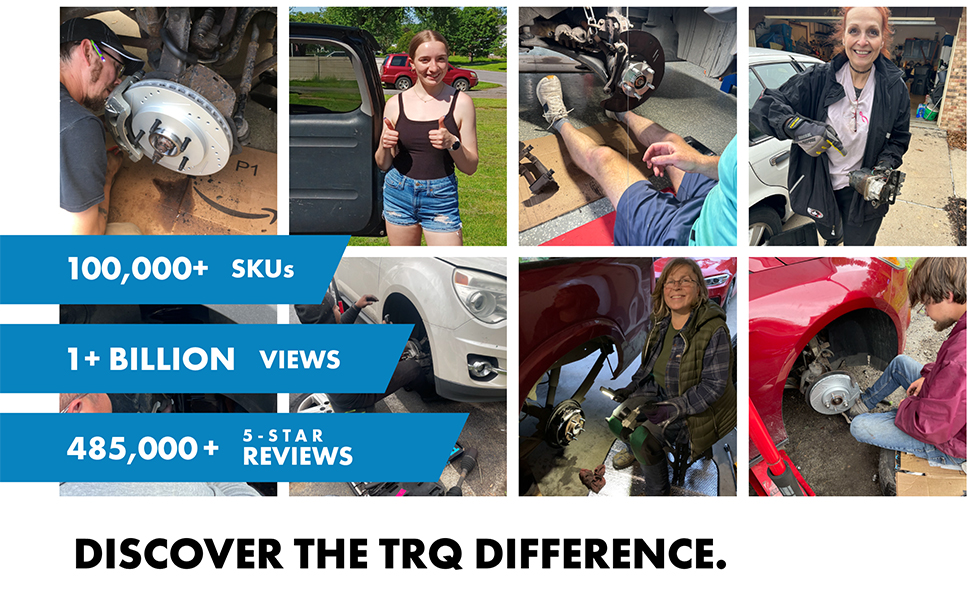
Figure 1: TRQ provides step-by-step installation videos for various models.
2. Product Compatibility
The TRQ BFA73225 Rear Ceramic Brake Pads are compatible with the following vehicle models and years. It is critical to verify fitment for your specific vehicle before installation.

Figure 2: Always verify product fitment for your specific vehicle.
- Jeep Grand Cherokee:
- 2012-2019 Laredo, Limited, Overland Rear
- 2014-2019 Summit Rear
- 2017-2019 Trailhawk Rear
- 2018-2019 Altitude, High Altitude Rear
- 2019 Upland, Limited X Rear
- 2020-2021 High Altitude Rear (with Brake Code BR3, BR6, BR2)
- 2020-2021 Summit Rear (with Brake Code BR2, BR6, BR3)
- 2020-2021 Limited X Rear (with Brake Code BR2, BR6, BR3)
- 2020-2021 Trailhawk Rear (with Brake Code BR2, BR6, BR3)
- 2020-2021 Limited, Overland Rear (with Brake Code BR2, BR3, BR6)
- 2020 Laredo, Altitude, Upland Rear (with Brake Code BR2, BR3, BR6)
- 2021 Laredo X, Laredo E, 80th Anniversary Rear (with Brake Code BR2, BR3, BR6)
- 2011 Jeep Grand Cherokee Rear
- 2012 Jeep Grand Cherokee Overland Summit Rear
- 2016 Jeep Grand Cherokee 75th Anniversary Rear
- 2022 Jeep Grand Cherokee WK Rear
- Dodge Durango:
- 2011-2017 Dodge Durango Rear
- 2018-2020 R/T, SXT, Special Service, Pursuit, Citadel, GT, SXT Plus Rear
- 2020 GT Plus Rear
- 2021 SXT, GT Plus, GT, R/T, Citadel Rear (with Brake Code BR2, BR6, without Brembo brakes for R/T)
- 2022 R/T Hemi Orange, GT Plus, Citadel, R/T, R/T Plus, SXT, GT Rear (without Brembo brakes for R/T models)
- 2023-2024 Dodge Durango Rear (with Brake Code BR6)
- 2024 Dodge Durango Rear (with Brake Code BR2)
3. What's Included
Your TRQ BFA73225 Rear Ceramic Brake Pads package includes the following components:
- 4 x Ceramic Brake Pads
- Pad Shims (pre-attached or separate)
- Wear Indicators (if applicable)
- Abutment Clips
- Brake Lubricant (Contact Point Grease)
- Mounting Hardware (as required for direct fit)

Figure 3: Contents of the TRQ BFA73225 Rear Ceramic Brake Pads package.
4. Product Features
The TRQ BFA73225 Ceramic Brake Pads incorporate several design features for enhanced performance and longevity:
- Positive Molded: This manufacturing process results in less dust, contributing to cleaner wheels.
- Thermal Scorched: The pads undergo a thermal scorching process to improve initial stopping performance and reduce break-in time.
- Application Specific Design: Engineered for a direct fit, ensuring extended service life without requiring modifications.
- Complete Repair Kit: Includes necessary hardware and contact point grease for a comprehensive brake service.
- Environmentally Compliant: Meets all Better Brake Law standards for environmental responsibility.

Figure 4: Key benefits of TRQ ceramic brake pads: quieter braking, increased stopping power, and low dust design.
5. Installation (Setup)
Installation of brake components requires mechanical knowledge and specialized tools. If you are not confident in your ability to perform this repair safely, it is highly recommended to seek professional assistance.
General Installation Steps:
- Safety First: Ensure the vehicle is securely lifted and supported on jack stands. Disconnect the negative battery terminal.
- Remove Wheel: Loosen lug nuts, raise vehicle, remove wheel.
- Access Caliper: Locate and remove the caliper mounting bolts. Carefully remove the caliper from the rotor, ensuring not to strain the brake hose.
- Remove Old Pads: Remove the old brake pads and any old hardware (shims, clips).
- Inspect and Clean: Inspect the brake rotor for wear, cracks, or scoring. It is recommended to replace rotors when replacing pads for optimal performance. Clean the caliper bracket and mounting points thoroughly.
- Install New Hardware: Install the new abutment clips and shims provided with your TRQ brake pads. Apply a thin layer of the included brake lubricant to the contact points on the caliper bracket and the back of the shims (avoiding friction material).
- Retract Caliper Piston: Use a suitable tool to retract the caliper piston(s) fully. This is essential to accommodate the new, thicker brake pads.
- Install New Pads: Insert the new TRQ ceramic brake pads into the caliper bracket. Ensure they fit correctly and move freely.
- Reassemble Caliper: Reinstall the caliper onto the rotor and secure it with the mounting bolts. Torque bolts to manufacturer specifications.
- Bleed Brakes (if necessary): If brake lines were opened or air entered the system, bleed the brakes according to your vehicle's service manual.
- Reinstall Wheel: Reinstall the wheel and torque lug nuts to manufacturer specifications.
- Test Brakes: Before driving, pump the brake pedal several times until it feels firm. Slowly test the brakes in a safe area.
For detailed, vehicle-specific instructions, please consult the official TRQ website for installation videos or refer to your vehicle's service manual.
6. Operating Your Vehicle with New Brake Pads
After installing new TRQ ceramic brake pads, a proper break-in procedure is essential for optimal performance and longevity. This process, often called 'bedding-in,' helps transfer a thin layer of friction material to the rotor surface, ensuring consistent braking and preventing noise.
Break-In Procedure:
- Drive at a moderate speed (e.g., 30-40 mph).
- Apply the brakes firmly, but not to the point of activating ABS, reducing speed to about 10 mph. Do not come to a complete stop.
- Release the brakes and accelerate back to the moderate speed.
- Repeat this process approximately 8-10 times.
- After the last stop, drive for several minutes without using the brakes to allow them to cool down.
During the break-in period, avoid hard braking or prolonged braking (e.g., long downhill descents) that could overheat the pads. You may notice a slight odor or smoke during this process, which is normal.
7. Maintenance
Regular inspection and maintenance of your braking system are vital for safety and performance. TRQ recommends the following maintenance practices:
- Routine Inspection: Inspect brake pads, rotors, calipers, and brake fluid levels at least twice a year or every 10,000 miles, whichever comes first.
- Pad Replacement: Replace brake pads when the friction material wears down to the minimum recommended thickness (typically 3-4mm) or when the wear indicators begin to make noise.
- Rotor Replacement: It is highly recommended to replace brake rotors when installing new brake pads to ensure even wear, prevent pulsation, and optimize braking comfort and performance.
- Brake Fluid: Check brake fluid condition and level. Replace fluid according to your vehicle manufacturer's recommendations.
- Caliper Function: Ensure calipers move freely and are not seized. Lubricate caliper pins as needed.
8. Troubleshooting
Addressing common brake issues can help maintain vehicle safety and performance.
| Symptom | Possible Cause | Solution |
|---|---|---|
| Squealing/Grinding Noise | Worn pads (wear indicator), improper lubrication, foreign object, glazed pads/rotors. | Inspect pads for wear, apply lubricant to contact points (not friction surface), clean components, consider rotor/pad replacement. |
| Brake Pulsation/Vibration | Warped rotors, uneven pad wear, seized caliper. | Inspect rotors for runout, replace rotors and pads, check caliper function. |
| Soft Brake Pedal | Air in brake lines, low brake fluid, master cylinder issue. | Bleed brake system, check fluid level, inspect for leaks, diagnose master cylinder. |
| Vehicle Pulls to One Side | Seized caliper, uneven pad wear, contaminated brake fluid. | Inspect calipers, replace pads/rotors, flush brake fluid. |
9. Specifications
Detailed specifications for the TRQ BFA73225 Rear Ceramic Brake Pads:
| Attribute | Value |
|---|---|
| Brand | TRQ |
| Model Number | BFA73225 |
| Material | Ceramic |
| Auto Part Position | Rear |
| Vehicle Service Type | Truck |
| Specification Met | OEM |
| Outer Pad Friction Material Thickness | 0.63 in (16 mm) |
| Inner Pad Friction Material Thickness | 0.63 in (16 mm) |
| Outer Pad Overall Thickness | 0.67 in (17 mm) |
| Inner Pad Overall Thickness | 0.67 in (17 mm) |
| Inner Pad Height | 5.51 in (140 mm) |
| Outer Pad Height | 5.59 in (142 mm) |
| Inner Pad Width | 2.05 in (52 mm) |
| Outer Pad Width | 2.36 in (60 mm) |
| Pad Quantity | 4 |
| Pad Shim Color | Black |
| Backing Plate Color | Black |
| Friction Material Attachment | Bonded |
| Friction Material Composition | Ceramic |
| Pad Wear Sensor Type | Mechanical |
| Pad Wear Sensor Included | Yes |
| Pad Shims Included | Yes |
| Wear Indicator Attached | Yes |
| Abutment Clips Included | Yes |
| Chamfered Edges | Yes |
| Prepared For Pad Wear Sensor | Yes |
| Brake Lubricant Included | Yes |
| Mounting Hardware Included | Yes |
| Slotted | Yes |
| Brake Pad Bonding Type | Premium Posi |
| Item Weight | 3.28 pounds |
| Package Dimensions | 10.47 x 7.31 x 4.47 inches |
10. Warranty and Support
TRQ products are designed for quality and reliability. For specific warranty information regarding your TRQ BFA73225 Rear Ceramic Brake Pads, please refer to the official TRQ website or the warranty documentation included with your purchase. Warranty terms and conditions may vary.
For technical assistance, product inquiries, or to locate additional resources such as installation videos, please visit the official TRQ website or contact their customer service department directly. Always refer to your vehicle's specific service manual for detailed repair procedures and safety guidelines.