
Tuzliufi Z362
Tuzliufi Voltage Regulator Rectifier Instruction Manual
Model: Z362
Introduction
This manual provides detailed instructions for the installation, operation, and maintenance of your new Tuzliufi Voltage Regulator Rectifier. This component is designed to convert alternating current (AC) generated by the engine's stator into direct current (DC) to charge the battery and power the electrical system, while also regulating the voltage to prevent overcharging.
Please read this manual thoroughly before installation to ensure proper function and safety.
Compatibility
This Tuzliufi Voltage Regulator Rectifier (Model Z362) is designed as a replacement part compatible with various Yamaha outboard motor models. It is crucial to verify the part numbers and visual appearance before installation.
Compatible OEM Part Numbers:
- 6G5-81960-A0-00
- 688-81960-60-00
- 688-81960-61-00
Compatible Engine Horsepower Ranges:
- 75HP
- 85HP
- 90HP
- 115HP
- 130HP
- 150HP
- 175HP
- 200HP
Important Note: This is an aftermarket replacement part. Always compare the images and specifications provided in this manual with your original part to ensure a correct fit and function. If the appearance does not match, do not proceed with installation.
Product Specifications and Dimensions
The Tuzliufi Voltage Regulator Rectifier is engineered for durability and precise voltage regulation. Below are its key physical specifications:
| Specification | Value |
|---|---|
| Model Number | Z362 |
| Item Weight | 11.3 ounces (approx. 320 grams) |
| Overall Length | 3.49 inches (8.86 cm) |
| Overall Width | 3.23 inches (8.20 cm) |
| Overall Height | 1.67 inches (4.24 cm) |
| Mounting Hole Diameter | 0.27 inches (0.68 cm) |
| Terminal Post Diameter | 0.17 inches (0.43 cm) |

Figure 1: Top view of the regulator rectifier, showing the four terminal posts and the Tuzliufi brand label.

Figure 2: Angled view illustrating the terminal labels: 'B' (Battery), 'G' (Ground/Stator), and 'R' (Rectifier Output/Stator).
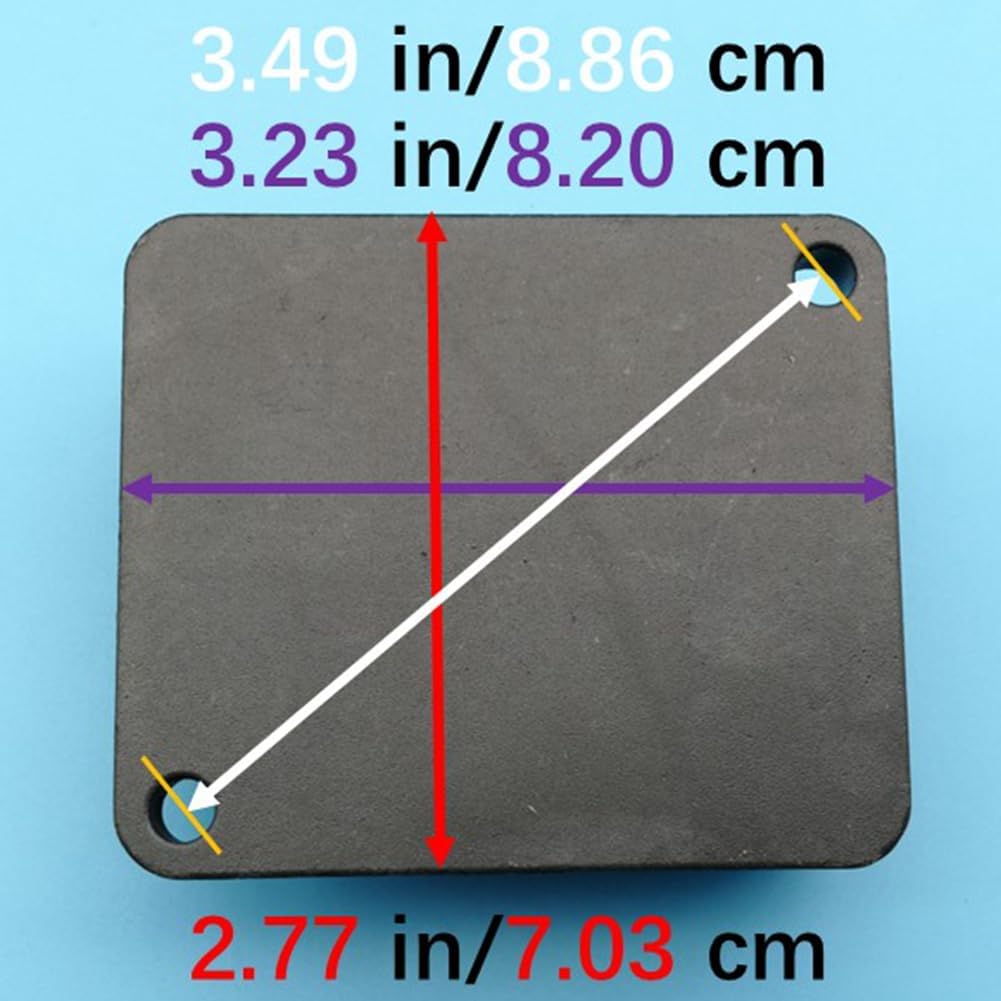
Figure 3: Bottom view showing the overall length (3.49 in / 8.86 cm), width (3.23 in / 8.20 cm), and diagonal mounting hole distance (2.77 in / 7.03 cm).

Figure 4: Side view indicating the total height of 1.67 inches (4.24 cm).
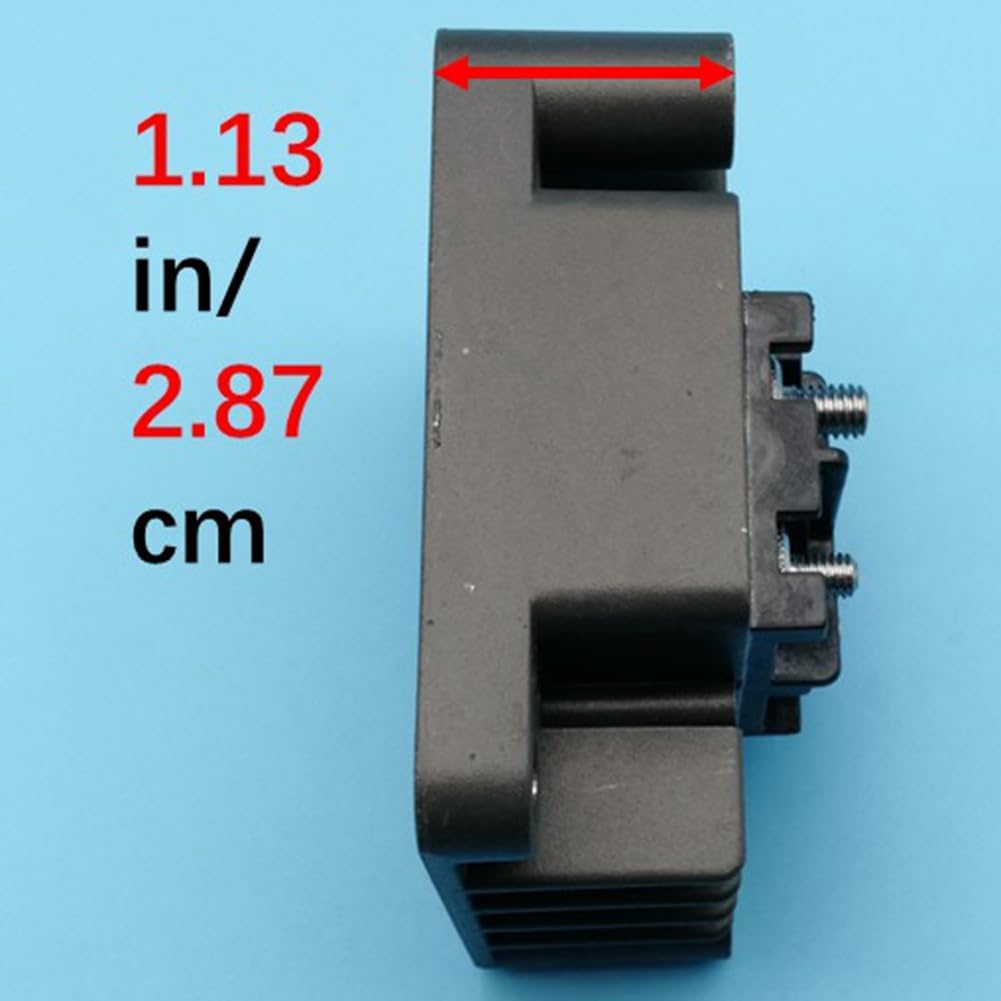
Figure 5: Side view indicating the thickness of 1.13 inches (2.87 cm).
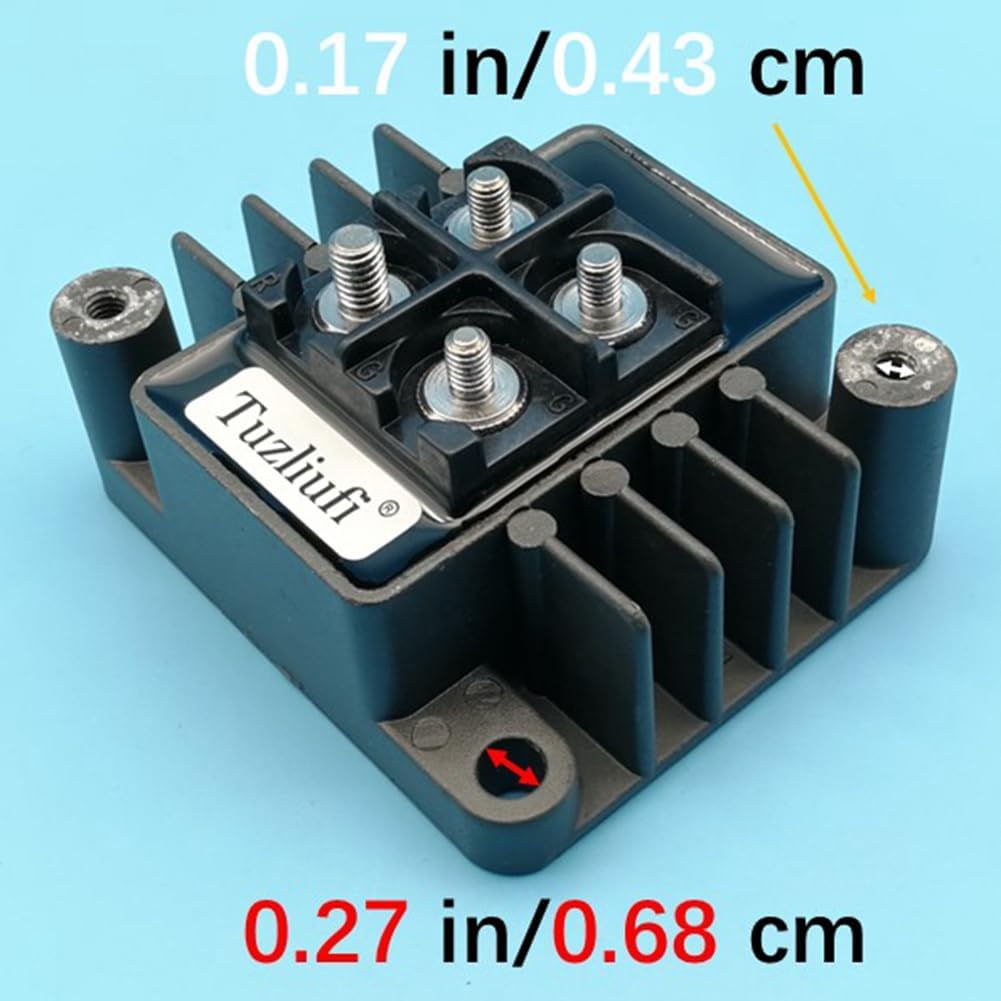
Figure 6: Angled view showing the terminal post diameter (0.17 in / 0.43 cm) and mounting hole diameter (0.27 in / 0.68 cm).
Setup and Installation
Proper installation is critical for the performance and longevity of your voltage regulator rectifier. If you are unsure about any step, consult a qualified marine technician.
Safety Precautions:
- Always disconnect the battery's negative (-) terminal before beginning any electrical work on your engine.
- Wear appropriate personal protective equipment (PPE), including safety glasses and gloves.
- Ensure the engine is cool and not running.
Installation Steps:
- Locate the Old Unit: Identify the existing voltage regulator rectifier on your Yamaha outboard motor. It is typically mounted to the engine block or a bracket, often with cooling fins.
- Disconnect Wiring: Carefully disconnect all electrical wires connected to the old unit. Note the position and color of each wire for correct re-connection. Taking a photograph before disconnecting can be helpful.
- Remove Old Unit: Unbolt and remove the old voltage regulator rectifier from its mounting location.
- Inspect Mounting Surface: Clean the mounting surface to ensure good contact for heat dissipation.
- Mount New Unit: Position the new Tuzliufi Voltage Regulator Rectifier (Model Z362) in the same location and secure it using the original mounting hardware. Ensure it is firmly attached.
- Connect Wiring: Reconnect the electrical wires to the new unit, matching them to their original positions. Refer to your engine's service manual or the photographs taken earlier for accurate wiring.
- Typically, there will be wires from the stator (AC input), a wire to the battery (DC output), and a ground wire.
- Ensure all connections are clean, tight, and free from corrosion.
- Reconnect Battery: Once all wiring is secure, reconnect the battery's negative (-) terminal.
- Test System: Start the engine and check the battery charging voltage with a multimeter. The voltage should typically be between 13.5V and 14.5V at idle or slightly above. Consult your engine's service manual for specific voltage ranges.
Operating Principles
The voltage regulator rectifier is a critical component of your outboard motor's electrical system. Its primary functions are:
- Rectification: Converts the alternating current (AC) produced by the engine's stator into direct current (DC) required by the battery and other electrical components.
- Voltage Regulation: Maintains a stable output voltage to the battery and electrical system, preventing overcharging or undercharging, which can damage the battery and other sensitive electronics.
- Heat Dissipation: The integrated cooling fins are designed to dissipate heat generated during operation, ensuring optimal performance and longevity.
Once installed, the unit operates automatically as part of the engine's charging system. No user intervention is required during normal operation.
Maintenance
The Tuzliufi Voltage Regulator Rectifier is designed for minimal maintenance. However, periodic checks can help ensure its continued reliable operation:
- Visual Inspection: Periodically inspect the unit for any signs of physical damage, corrosion on terminals, or loose connections.
- Cleanliness: Ensure the cooling fins are free from dirt, debris, or salt buildup, which can impede heat dissipation. Use a soft brush or cloth to gently clean the fins.
- Wiring Integrity: Check that all wires connected to the rectifier are securely fastened and that their insulation is intact.
- Battery Health: A healthy battery is crucial for the proper functioning of the charging system. Ensure your battery is in good condition and holds a charge.
Do not attempt to disassemble or repair the unit. If it malfunctions, it should be replaced.
Troubleshooting
If you experience issues with your outboard motor's charging system, the voltage regulator rectifier may be a contributing factor. Here are some common symptoms and troubleshooting steps:
| Symptom | Possible Cause | Solution |
|---|---|---|
| Battery not charging / Low voltage | Faulty rectifier, weak stator, loose/corroded connections, dead battery. | Check all wiring connections. Test battery health. Test stator output. If other components are good, replace rectifier. |
| Battery overcharging / High voltage | Faulty voltage regulator. | Replace the voltage regulator rectifier. |
| Engine misfires or runs poorly | Incorrect voltage supply to ignition system (rare, but possible). | Verify charging voltage. If unstable, replace rectifier. Consult engine service manual. |
| Rectifier unit is excessively hot | Overload, poor heat dissipation, internal fault. | Ensure cooling fins are clean. Check for short circuits in the system. If problem persists, replace unit. |
Always consult your specific engine's service manual for detailed diagnostic procedures and electrical diagrams. If you are not comfortable performing these checks, seek professional assistance.
Support and Contact Information
For further assistance, technical support, or inquiries regarding your Tuzliufi Voltage Regulator Rectifier, please contact the manufacturer or your authorized dealer.
You can find more information and contact details by visiting the official Tuzliufi store on Amazon: Tuzliufi Store
Ask a question about this manual
Ask about setup, troubleshooting, compatibility, parts, safety, or missing instructions. Manuals+ will review the question and use this page’s manual context to help answer it.