
Introduction
This manual provides essential information for the proper installation, use, and maintenance of your EYL Medical Supplies 6-inch Rollator Replacement Wheel Assembly. Please read these instructions carefully before installation to ensure safe and effective operation.
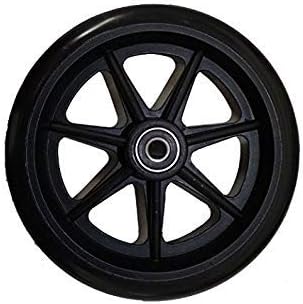
Figure 1: EYL Medical Supplies 6-inch Rollator Replacement Wheel. This image shows the front view of the black wheel, highlighting the central bearing and spokes.
Safety Information
- Always ensure the replacement wheel is securely installed before using the rollator.
- Regularly inspect the wheel for signs of wear, damage, or loose components.
- If you are unsure about the installation process, consult a qualified technician or refer to your rollator's original manual.
- This wheel is designed for use with rollators and walkers. Do not use for other unintended purposes.
Package Contents
Your package should contain the following item:
- One (1) EYL Medical Supplies 6-inch Rollator Replacement Wheel Assembly
Note: Mounting hardware (bolts, washers, nuts, caps) is typically supplied with your rollator or may need to be purchased separately. This product includes only the wheel assembly.
Specifications
| Feature | Detail |
|---|---|
| Wheel Diameter | 6 inches |
| Bearing Inner Diameter (I.D.) | 8mm |
| Bearing Outer Diameter (O.D.) | 22mm |
| Bearing Thickness | 9/7mm |
| Hub Thickness | 1 3/8 inches |
| Material | Poly vinyl composite |
| Compatibility | Most rollator/walker brands with 6" wheels |
| Usage | Indoor and outdoor |
Setup and Installation
Follow these steps to replace a worn or damaged wheel on your rollator or walker. Ensure you have the necessary tools, such as wrenches or screwdrivers, as required by your specific rollator model.
- Prepare the Rollator: Place your rollator on a stable, flat surface. Engage the brakes if applicable to prevent movement.
- Identify the Wheel: Determine which wheel needs replacement. This wheel is suitable for both front and rear positions on compatible rollators.
- Remove the Old Wheel:
- Locate the axle bolt or quick-release mechanism securing the old wheel.
- Using appropriate tools, carefully loosen and remove the nut or release the mechanism.
- Slide the old wheel off the axle. Keep all hardware (bolts, washers, spacers, caps) as they may be needed for the new wheel.
- Inspect the Axle: Clean the axle and inspect it for any damage or debris.
- Install the New Wheel:
- Align the new EYL Medical Supplies replacement wheel with the axle. Ensure the bearing is properly seated.
- Slide the new wheel onto the axle, ensuring any original spacers or washers are correctly positioned on either side of the wheel's hub.
- Reattach the axle bolt and nut, or engage the quick-release mechanism.
- Tighten the nut securely, but do not overtighten, as this can damage the bearing or prevent the wheel from spinning freely.
- Test the Installation:
- Lift the rollator slightly and spin the newly installed wheel to ensure it rotates smoothly and freely without wobbling.
- Check that the wheel is firmly attached and there is no excessive play.
- If your rollator has brakes, test them to ensure they engage and disengage properly with the new wheel.
Figure 2: EYL Medical Supplies 6-inch Rollator Replacement Wheel (Angled View). This image provides an angled perspective of the wheel, detailing the hub and bearing assembly.
Operating Instructions
Once the replacement wheel is securely installed, your rollator or walker should operate as intended. The new wheel provides a smooth roll over various surfaces, suitable for both indoor and outdoor use. Always ensure all wheels are functioning correctly before using your mobility aid.
Maintenance
- Regular Inspection: Periodically check the wheels for any signs of wear, cracks, or damage to the tire or spokes. Ensure the bearings are spinning freely and quietly.
- Cleaning: Clean the wheels with a damp cloth to remove dirt and debris. Avoid using harsh chemicals that could damage the poly vinyl composite material.
- Bearing Care: The sealed bearings in this wheel are generally maintenance-free. If you notice any grinding or resistance, the bearing may need replacement.
- Axle Tightness: Occasionally check the tightness of the axle bolt or quick-release mechanism to ensure the wheel remains securely attached.
Troubleshooting
- Wheel does not spin freely:
- Check if the axle bolt is overtightened. Loosen it slightly and re-test. Ensure no debris is caught in the bearing or between the wheel and the rollator frame. Verify that any spacers are correctly positioned.
- Wheel wobbles:
- Ensure the axle bolt is securely tightened. Inspect the wheel for any structural damage. If the wobble persists, the wheel or bearing may be defective and require replacement.
- Unusual noise from the wheel:
- This could indicate a worn or damaged bearing. Inspect the bearing for smooth rotation. If noise continues, consider replacing the wheel assembly.
Warranty and Support
For information regarding warranty coverage or technical support, please contact EYL Medical Supplies directly. You can often find contact information on the product packaging or through the official EYL Medical Supplies website or their Amazon store page.
Visit the EYL Medical Supplies Store on Amazon for more products and information.