
Ingersoll Rand D72IN 23231848
Ingersoll-Rand D72IN Refrigerated Compressed Air Dryer User Manual
Brand: Ingersoll Rand | Model: D72IN 23231848
1. Product Overview
The Ingersoll-Rand D72IN Refrigerated Compressed Air Dryer is engineered to deliver clean, dry air by efficiently removing moisture from your compressed air system. This non-cycling dryer features a robust refrigeration system and a high-efficiency heat exchanger, ensuring consistent performance and extended service life with minimal maintenance.
Key Features:
- Reduced Energy Use: Efficient heat exchangers, a built-in stainless steel demister for moisture removal, and a fully adjustable programmable electronic drain valve contribute to lower energy consumption and minimized air loss.
- Built-in Reliability: Corrosion-resistant heat exchangers, an advanced control system, and high-efficiency moisture separation ensure a steady, long-term supply of dry air.
- Smart Control: An easy-to-use, advanced microprocessor control allows for simple adjustment and management of system parameters.
- Consistent Clean, Dry Air: Variable-speed fans reduce power consumption during periods of less than maximum cooling capacity, while maintaining a consistent dew point.
- Capacity: 42 CFM (scfm) with 1/2" NPT air in/out connections and 0.37 kW operating power.

Figure 1: Front view of the Ingersoll-Rand D72IN Refrigerated Air Dryer, showcasing its compact design and control panel.
Official Product Video:
Video 1: Official product video demonstrating the features and benefits of Ingersoll Rand DIN Dryers, including the microprocessor control and water removal process.
2. Understanding Your Air Dryer
This section provides insight into the function and importance of your refrigerated air dryer within a compressed air system.
How a Refrigerated Air Dryer Works:
The D72IN dryer operates by cooling compressed air to condense and remove water vapor. This process prevents moisture from entering your air lines and damaging tools or affecting processes.

Figure 2: Diagram illustrating the three steps of air drying: warm air entering, condensation forming, and water being drained.
Benefits of Dry Air:
Removing water from compressed air is crucial for maintaining a high-quality operation and ensuring the longevity of your equipment. Dry air prevents various issues that can arise from moisture contamination.

Figure 3: Visual examples of problems caused by moisture in compressed air: system rust and corrosion, point-of-use tool damage, and product contamination.

Figure 4: An Ingersoll-Rand D72IN air dryer next to a spray gun, emphasizing how dry air extends the life of pneumatic tools and improves application quality.
3. Setup and Installation
Proper setup is essential for optimal performance and safety. Ensure the dryer is placed in a well-ventilated area with sufficient clearance for air circulation and maintenance access. Connect the air inlet and outlet to your compressed air system using appropriate fittings and hoses. Refer to the full installation manual for detailed plumbing and electrical connection instructions.

Figure 5: Schematic diagram of a typical compressed air system, showing the compressor, in-line filters, dryer, PaCE flow controller, and air tool.
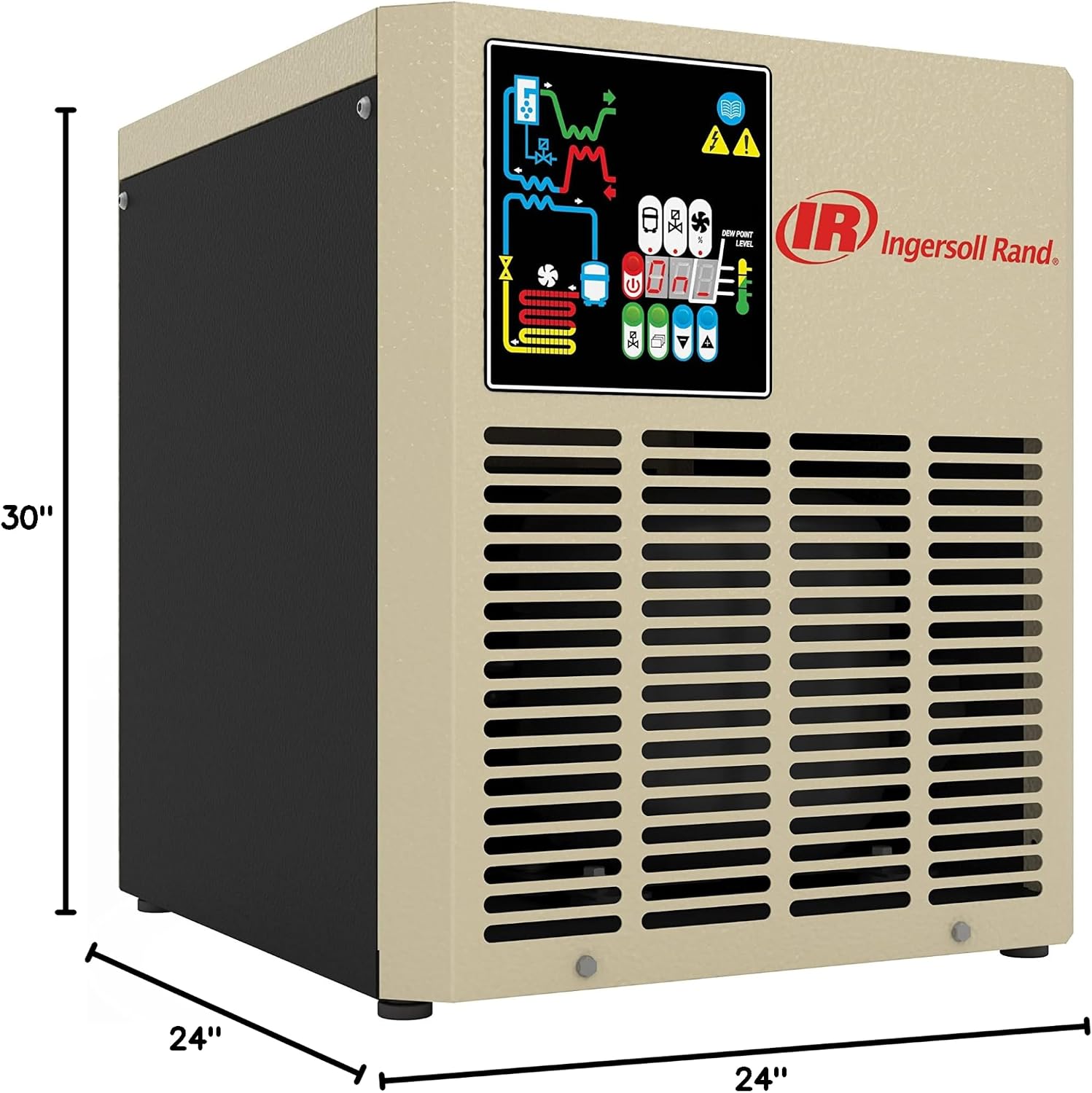
Figure 6: Dimensional view of the Ingersoll-Rand D72IN Refrigerated Air Dryer, showing its height (30 inches) and width/depth (24 inches).
4. Operating Instructions
The D72IN dryer is designed for user-friendly operation, featuring an intuitive control panel to monitor and adjust settings.
Microprocessor Control Panel:
The front-mounted microprocessor display allows operators to easily view and change various parameters, including dew point levels and electronic drain valve settings. This adaptability ensures optimal performance regardless of seasonal changes or operational demands.

Figure 7: The control panel provides real-time information and allows for adjustments to optimize dryer performance.
Dew Point Management:
The dryer cools air to less than 50°F, effectively removing the bulk of water. If your system consistently operates above 50°F, you will not experience water in liquid form within your air lines.
Selecting the Right Dryer:
When integrating an air dryer into your system, consider the following factors to ensure it meets your specific needs:
- Max Flow Rate (scfm): Determine the peak compressed air demand.
- Pressure (psi): Identify the inlet pressure of your system.
- Inlet and Ambient Temperature (°F): Cooler air is easier to dry, so consider the operating environment.
Warning: Underspecifying your dryer can lead to equipment damage and contamination, while over-specifying may result in wasted energy and resources.
5. Maintenance
The Ingersoll-Rand D72IN Refrigerated Air Dryer is designed for virtually maintenance-free operation. However, periodic checks are recommended to ensure continued optimal performance:
- Inspect Heat Exchangers: Periodically check for any debris or blockages on the heat exchangers and clean as necessary to maintain efficient cooling.
- Monitor Drain Valve: Ensure the electronic drain valve is operating correctly and clearing condensed moisture. Adjust timing as needed via the microprocessor control.
- Check for Leaks: Regularly inspect all connections and hoses for any signs of air or refrigerant leaks.
6. Troubleshooting
While the D72IN dryer is highly reliable, should you encounter any issues, consider the following basic troubleshooting steps:
- Water in Air Lines: Verify that the dryer is powered on and operating. Check the dew point setting on the control panel. Ensure ambient and inlet air temperatures are within the specified operating range.
- No Power: Check the power supply connection and ensure the unit is plugged into a functional outlet with the correct voltage (115 Volts).
- Unusual Noises: Investigate any abnormal sounds. This could indicate a loose component or an issue with the compressor.
- Error Codes: Refer to the microprocessor control panel for any displayed error codes. Consult the comprehensive product manual for specific error code definitions and resolutions.
For complex issues or persistent problems, contact Ingersoll Rand customer support or a qualified service technician.
7. Technical Specifications
| Specification | Value |
|---|---|
| Brand | Ingersoll Rand |
| Model Name | D72IN |
| Part Number | D72IN 23231848 |
| UPC | 663023064819 |
| Style | Refrigerated |
| Voltage | 115 Volts |
| Power Source | Corded Electric |
| Maximum Power | 0.37 Kilowatts |
| Capacity (Air Flow) | 42 Cubic Feet Per Minute (CFM) |
| Connection Air In/Out | 1/2" NPT |
| Maximum Operating Pressure | 203 PSI |
| Item Weight | 62 Pounds |
| Product Dimensions (L x W x H) | 24" x 24" x 30" |
| Color | Beige |
| Included Components | (1) Air Dryer |
| Special Feature | High-efficiency |
| Recommended Uses | Filling, dry cleaning, bolt screwing, painting |
8. Warranty and Support
Warranty Information:
This Ingersoll-Rand D72IN Refrigerated Compressed Air Dryer comes with a 1 Year Manufacturer Warranty. Please retain your proof of purchase for warranty claims.
Customer Support:
For technical assistance, service, or to inquire about replacement parts, please contact Ingersoll Rand customer support. You can also find more information and resources on our official website:
Ask a question about this manual
Ask about setup, troubleshooting, compatibility, parts, safety, or missing instructions. Manuals+ will review the question and use this page’s manual context to help answer it.