
1. Introduction
This manual provides essential information for the installation, operation, and maintenance of your new WFLNHB Carburetor. This carburetor is designed as a direct replacement for Yamaha Raptor 660R YFM660R models manufactured between 2001 and 2005. Please read these instructions thoroughly before attempting any installation or maintenance procedures.
2. Safety Information
Warning: Working with fuel systems can be hazardous. Always observe the following safety precautions:
- Ensure the engine is cool before beginning any work.
- Disconnect the battery to prevent accidental starting.
- Work in a well-ventilated area to avoid inhaling fuel fumes.
- Keep open flames, sparks, and other ignition sources away from the work area.
- Wear appropriate personal protective equipment, including gloves and eye protection.
- Fuel is highly flammable. Handle with extreme care and dispose of any spilled fuel properly.
- Professional installation is recommended for optimal performance and safety.
3. Package Contents
Verify that all components are present and undamaged before proceeding with installation.
- WFLNHB Carburetor Assembly
- Fuel Filters (2)
- Spark Plugs (2)
- Gasket
- Assorted Jets and Screws
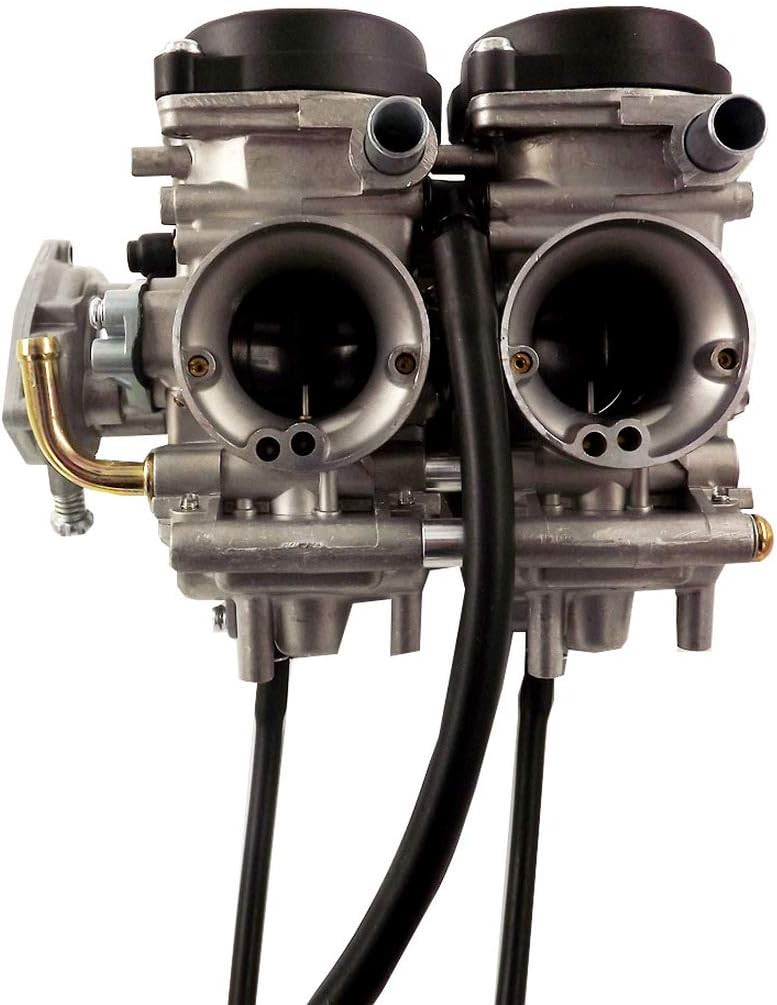
Figure 3.1: Included accessories with the WFLNHB Carburetor.
4. Compatibility
This WFLNHB Carburetor is compatible with the following Yamaha ATV models:
- Yamaha Raptor 660R YFM660R (2001)
- Yamaha Raptor 660R YFM660R (2002)
- Yamaha Raptor 660R YFM660R (2003)
- Yamaha Raptor 660R YFM660R (2004)
- Yamaha Raptor 660R YFM660R (2005)
Replacement Part Numbers: 5LP-14900-00-00, 5LP-14900-20-00, 5LP-14900-30-00.
Always verify the part number and compare photos with your original part before purchase and installation to ensure correct fitment.
5. Setup and Installation
The following steps outline a general procedure for carburetor replacement. Refer to your vehicle's specific service manual for detailed instructions and torque specifications. Professional installation is highly recommended.
- Preparation: Park the ATV on a level surface. Ensure the engine is cool. Turn off the fuel supply and disconnect the battery.
- Access Carburetor: Remove any body panels, air box components, or fuel lines that obstruct access to the existing carburetor.
- Drain Fuel: Place a suitable container under the carburetor and open the drain screw to drain any remaining fuel.
- Disconnect Components: Carefully disconnect all fuel lines, vacuum lines, throttle cables, and choke cables from the old carburetor. Note their positions for reassembly.
- Remove Old Carburetor: Loosen the clamps securing the carburetor to the intake manifold and airbox. Carefully remove the old carburetor.
- Install New Carburetor: Install the new WFLNHB Carburetor, ensuring the gasket is properly seated. Connect it to the intake manifold and airbox, tightening clamps securely.
- Reconnect Components: Reconnect all fuel lines, vacuum lines, throttle cables, and choke cables to their correct positions on the new carburetor. Ensure cables operate smoothly without binding.
- Install Fuel Filters and Spark Plugs: Replace the old fuel filters with the new ones provided. Install the new spark plugs, ensuring they are gapped correctly according to your vehicle's specifications.
- Final Checks: Reconnect the battery. Turn on the fuel supply. Inspect all connections for leaks.
- Initial Start-up: Start the engine. It may take a few cranks for fuel to reach the carburetor. Allow the engine to warm up and check for smooth operation. Adjust idle speed and mixture if necessary (refer to your vehicle's service manual for tuning procedures).

Figure 5.1: Front view of the WFLNHB Carburetor assembly.

Figure 5.2: Exploded view or component diagram of the carburetor.
6. Operating Instructions
Once installed and properly tuned, the carburetor will regulate the air-fuel mixture for your engine. Proper operation relies on correct tuning for your specific environment and engine condition. The carburetor is designed to provide stable performance and sensitive reaction due to improved air intake holes and airflow structure.
- Choke Operation: Use the choke for cold starts as needed. Fully open the choke once the engine warms up to prevent rich running.
- Throttle Response: The carburetor is designed for responsive throttle action. If you experience hesitation or bogging, refer to the Troubleshooting section or consult a professional.
- Idle Adjustment: The idle speed can be adjusted via the idle screw. Refer to your ATV's service manual for the recommended idle RPM.
7. Maintenance
Regular maintenance ensures the longevity and optimal performance of your carburetor.
- Fuel Quality: Always use clean, fresh fuel. Stale or contaminated fuel can clog jets and passages.
- Fuel Filter Replacement: Regularly inspect and replace fuel filters to prevent debris from entering the carburetor.
- Air Filter Maintenance: A clean air filter is crucial for proper air-fuel mixture. Clean or replace the air filter according to your ATV's service schedule.
- Carburetor Cleaning: If the ATV experiences performance issues, the carburetor may require cleaning. This involves disassembling the carburetor and cleaning all jets and passages with carburetor cleaner. This procedure should be performed by an experienced technician.
- Cable Inspection: Periodically check throttle and choke cables for wear, fraying, or sticking. Lubricate as necessary.

Figure 7.1: Side view of the carburetor, illustrating external components for inspection.
8. Troubleshooting
This section addresses common issues you might encounter. For complex problems, consult a qualified mechanic.
| Problem | Possible Cause | Solution |
|---|---|---|
| Engine will not start or starts with difficulty | No fuel, clogged fuel filter, incorrect choke setting, fouled spark plugs, improper jetting. | Check fuel level and flow. Replace fuel filter. Adjust choke. Inspect/replace spark plugs. Verify jetting is appropriate for your altitude/conditions. |
| Engine runs rough, bogs, or lacks power | Clogged jets, improper air-fuel mixture, air leak in intake, dirty air filter. | Clean carburetor jets. Adjust air-fuel mixture screw. Check intake boots for cracks. Clean/replace air filter. |
| Engine idles poorly or stalls | Incorrect idle speed adjustment, clogged pilot jet, vacuum leak. | Adjust idle screw. Clean pilot jet. Inspect vacuum lines and intake for leaks. |
| Fuel leaks from carburetor | Damaged float, stuck float needle, loose drain screw, worn gasket. | Inspect float and needle valve. Tighten drain screw. Replace gaskets. |
Note on Jetting: The carburetor comes with standard jetting. Depending on your altitude, temperature, and specific engine modifications, you may need to adjust the main and pilot jets for optimal performance. Consult a service manual or a professional for proper jetting procedures.
9. Specifications
- Brand: WFLNHB
- Vehicle Service Type: ATV
- Flange Type: Bolt On
- Recommended Uses: Motorcycle, UTV
- Specific Uses: Performance
- Product Dimensions: 7.64"D x 5.91"W x 5.2"H
- Item Weight: 3.45 pounds
- Manufacturer Part Number: 5LP-14900-00-00 (Replacement)
10. Warranty Information
For specific warranty details regarding your WFLNHB Carburetor, please refer to the product packaging or contact WFLNHB customer support directly. Warranty terms typically cover manufacturing defects and material flaws under normal use conditions.
11. Support and Contact
If you require further assistance, have questions about installation, or need to report an issue, please contact WFLNHB customer support. You can often find contact information on the product packaging or by visiting the official WFLNHB store page online.
WFLNHB Store: Visit the WFLNHB Store on Amazon