1. Introduction
This manual provides essential information for the safe and effective installation, operation, and maintenance of your UNIVERSALE 260W Defrosting Resistance, model 5300JB1092B. This component is designed as a replacement part for compatible LG refrigerator models, playing a crucial role in the appliance's automatic defrosting cycle. Please read this manual thoroughly before attempting any installation or maintenance procedures.
2. Product Overview
The defrosting resistance is a heating element responsible for melting frost and ice that accumulates on the evaporator coils within a refrigerator's freezer compartment. This process is vital for maintaining the appliance's efficiency and preventing excessive ice buildup that can impede cooling performance.
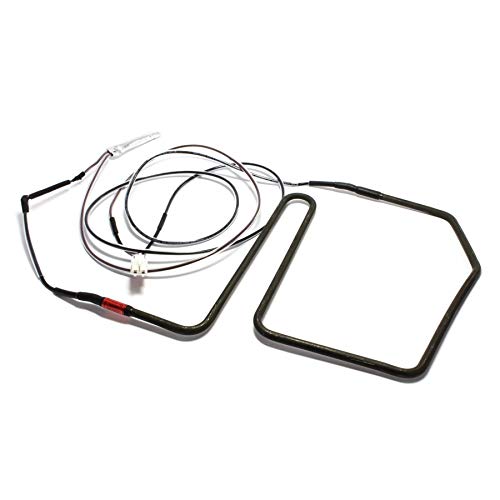
Figure 2.1: The UNIVERSALE 260W Defrosting Resistance, showing the heating element, connecting wires, and a temperature sensor/thermostat component.
3. Installation (Replacement)
Important Safety Information: Before beginning any installation or replacement procedure, ensure the refrigerator is completely disconnected from the power supply by unplugging it from the wall outlet. Failure to do so can result in electric shock or serious injury.
- Prepare the Appliance: Unplug the refrigerator from the power outlet. Move the refrigerator away from the wall if necessary to access the rear or internal components.
- Access the Evaporator: Depending on your refrigerator model, you may need to remove shelves, drawers, and the rear panel of the freezer compartment to gain access to the evaporator coils and the existing defrosting resistance. Refer to your specific refrigerator's service manual for detailed access instructions.
- Disconnect Old Resistance: Carefully locate the old defrosting resistance. Disconnect its wiring harness and any mounting clips or screws holding it in place. Note the orientation and connection points for proper reinstallation.
- Install New Resistance: Position the new UNIVERSALE 260W Defrosting Resistance in the same manner as the old one. Secure it with any necessary clips or screws. Connect the wiring harness firmly to the corresponding terminals. Ensure all connections are secure and properly insulated.
- Reassemble: Replace all panels, shelves, and drawers that were removed. Ensure all components are securely fastened before proceeding.
- Test Operation: Plug the refrigerator back into the power outlet. Monitor the appliance for normal operation. The defrost cycle typically runs automatically at predetermined intervals.
If you are unsure about any step of the installation process, it is highly recommended to consult a qualified appliance technician.
4. Operation
The UNIVERSALE 260W Defrosting Resistance operates automatically as part of your refrigerator's defrost system. It is controlled by the refrigerator's defrost timer or adaptive defrost control board, which activates the resistance periodically to melt frost from the evaporator coils. No direct user interaction is required for the operation of this component.
During the defrost cycle, the resistance heats up, melting ice and frost. The melted water drains through a tube to a drain pan, where it evaporates. Once the defrost cycle is complete, the resistance cools down, and the refrigeration cycle resumes.
5. Maintenance
The defrosting resistance itself requires minimal maintenance. However, regular inspection of the refrigerator's defrost system can help ensure its longevity and proper function:
- Periodic Inspection: During routine cleaning or maintenance of your refrigerator, visually inspect the defrost resistance (if accessible) for any signs of damage, corrosion, or loose connections.
- Keep Drain Clear: Ensure the defrost drain tube and drain pan are free from debris and blockages. A clogged drain can lead to water accumulation and ice buildup in the freezer compartment.
- Avoid Puncturing: When cleaning or organizing the freezer, be careful not to puncture or damage the evaporator coils or the defrost resistance, as this can lead to refrigerant leaks or electrical hazards.
6. Troubleshooting
If your refrigerator is experiencing issues related to defrosting, the defrosting resistance might be a contributing factor. Common symptoms of a faulty defrost resistance include:
- Excessive Ice Buildup: Significant accumulation of ice on the freezer's evaporator coils or rear panel.
- Warm Freezer/Refrigerator: If ice buildup becomes too severe, it can block airflow, leading to inadequate cooling in both the freezer and fresh food compartments.
- Frost on Food: Food items in the freezer may develop excessive frost.
Before troubleshooting: Always unplug the refrigerator from the power source.
Diagnostic Steps:
- Visual Inspection: After safely accessing the defrost resistance, inspect it for any visible signs of damage, such as burnt spots or broken wires.
- Continuity Test: Using a multimeter, test the continuity of the heating element. A lack of continuity indicates an open circuit, meaning the resistance is faulty and needs replacement.
- Check Thermostat/Sensor: The defrost resistance often works in conjunction with a defrost thermostat or sensor. This component should also be tested for continuity or proper resistance readings, as a faulty thermostat can prevent the resistance from activating.
If you are not comfortable performing these diagnostic steps, or if the problem persists after replacing the resistance, it is advisable to contact a certified appliance repair technician.
7. Specifications
| Feature | Specification |
|---|---|
| Product Type | Defrosting Resistance / Heating Element |
| Brand | UNIVERSALE |
| Model / Part Number | 5300JB1092B |
| Power Rating | 260W |
| Compatibility | LG (Adaptable to original code 5300JB1092B) |
| Form Factor | Compact |
8. Warranty and Support
Specific warranty details for this UNIVERSALE defrosting resistance are not provided within the product information. For warranty claims, technical support, or further assistance, please contact the retailer or the manufacturer directly. Keep your purchase receipt as proof of purchase.