
1. Introduction
This manual provides detailed instructions for the installation, operation, and maintenance of the FTVOGUE 1/8NPT Thread Pressure Transducer (30PSI). This advanced pressure transducer is designed for reliable and stable measurement in various applications, including oil, fuel, gas, water, and air pressure systems. It offers anti-interference capabilities and high stability, making it a suitable replacement for traditional mechanical pressure transducers.

Figure 1: FTVOGUE 1/8NPT Thread Pressure Transducer (30PSI) with its compact design.
2. Key Features
- Advanced Design: Utilizes an advanced pressure transducer mechanism, offering superior performance compared to traditional mechanical units.
- High Stability & Anti-Interference: Engineered for consistent and reliable readings, minimizing external interference.
- Accuracy: Features a small output error of ±2%FS, encompassing nonlinear, hysteresis error, and repeatability across the full temperature range.
- Compact and Lightweight: Designed for easy installation and operation due to its small size and minimal weight.
- Versatile Application: Suitable for measuring pressure in various media including oil, fuel, gas, water, and air.
- Complete Voltage Function: Provides a complete voltage output function for integration into monitoring systems.
3. Setup and Installation
Proper installation is crucial for accurate and reliable performance of the pressure transducer. Follow these steps carefully:
3.1 Unpacking
Carefully remove the pressure transducer from its packaging. Inspect the unit for any visible damage that may have occurred during transit. Ensure all components, including the sensor and the wiring pigtail, are present.
3.2 Mounting
- Identify a suitable mounting location that provides access to the pressure source and allows for secure attachment. The transducer features a 1/8"-27 NPT thread for connection.
- Ensure the mounting surface or port is clean and free from debris.
- Apply an appropriate thread sealant (e.g., PTFE tape or liquid sealant compatible with your media) to the transducer's threads to prevent leaks.
- Carefully thread the transducer into the pressure port. Tighten it securely, but do not overtighten, as this can damage the threads or the sensor.

Figure 2: Close-up view of the transducer showing the 30PSI rating and 1/8NPT thread.
3.3 Electrical Connections
The transducer uses a water-seal quick disconnect connector with a wire harness (pigtail). The wiring configuration is as follows:
- Red Wire: +5V (Power Input)
- Black Wire: Ground
- Blue Wire: Signal Output (0.5V - 4.5V linear voltage output)
Connect these wires to your data acquisition system or display unit according to its specifications. Ensure all connections are secure and properly insulated to prevent short circuits or signal interference.

Figure 3: Pressure transducer with its wiring harness connected.
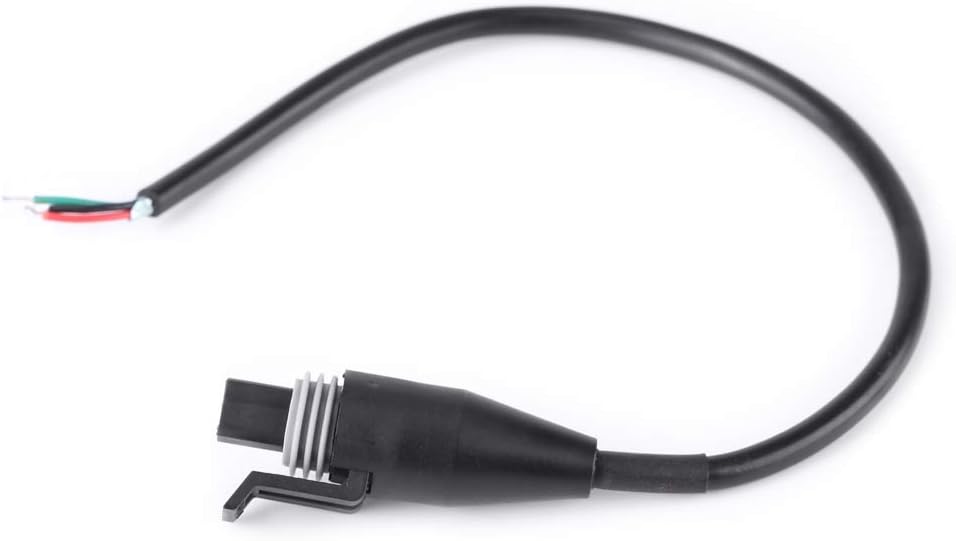
Figure 4: The wiring pigtail showing the individual colored wires for connection.
4. Operation
Once installed and wired, the FTVOGUE pressure transducer operates by converting applied pressure into a proportional electrical voltage signal. The 30PSI model provides a linear voltage output from 0.5V to 4.5V.
- At 0 PSI, the output voltage is approximately 0.5V.
- At 15 PSI, the output voltage is approximately 2.5V.
- At 30 PSI (full scale), the output voltage is approximately 4.5V.
Ensure your monitoring equipment is calibrated to interpret this voltage range correctly for accurate pressure readings. The sensor has a fast response time of ≤1ms.
5. Maintenance
The FTVOGUE pressure transducer is designed for durability and minimal maintenance. However, periodic checks can help ensure its longevity and accuracy:
- Visual Inspection: Regularly inspect the sensor body, threads, and electrical connections for any signs of corrosion, damage, or leaks.
- Cleaning: If used in environments with particulate matter, ensure the pressure port remains clear. Avoid using harsh chemicals that may damage the stainless steel body or internal components.
- Connection Integrity: Verify that the electrical connector remains securely attached and that the wiring is not frayed or damaged.
- Recalibration: For critical applications, periodic recalibration against a known accurate pressure standard is recommended to maintain optimal accuracy.
6. Troubleshooting
If you encounter issues with your pressure transducer, consider the following troubleshooting steps:
6.1 No Output or Incorrect Readings
- Power Supply: Verify that the transducer is receiving a stable +5V power supply (Red wire).
- Ground Connection: Ensure the ground wire (Black) is securely connected.
- Signal Wire: Check the signal output wire (Blue) for continuity and proper connection to your monitoring device.
- Calibration: Confirm that your monitoring device is correctly calibrated for the 0.5V to 4.5V output range.
- Pressure Source: Ensure the transducer is properly exposed to the pressure being measured and that there are no blockages in the pressure line.
6.2 Inconsistent or Fluctuating Readings
- Electrical Interference: Check for nearby sources of electromagnetic interference (EMI). Ensure proper shielding and grounding.
- Vibrations: Excessive vibration can affect readings. Ensure the transducer is securely mounted and isolated from significant vibrations if possible.
- Media Compatibility: While designed for various media, certain aggressive chemicals (e.g., highly chlorinated water, some gasoline formulations) may affect sensor performance over time. Refer to material compatibility for 316L stainless steel.
6.3 Leaks at Connection Point
- Thread Sealant: Ensure sufficient and appropriate thread sealant was used during installation.
- Tightness: Check if the transducer is adequately tightened. Do not overtighten.
- Thread Type: Verify that the mating port has a compatible 1/8" NPT thread.
7. Specifications
| Parameter | Value |
|---|---|
| Brand | FTVOGUE |
| Model | FTVOGUE3rbk6zgivw-01 |
| Pressure Range | 0-30 PSI |
| Output Signal | 0.5V - 4.5V Linear Voltage Output |
| Input Voltage | +5V DC |
| Measurement Accuracy | ±2%FS (Full Scale) |
| Thread Type | 1/8"-27 NPT |
| Material | Stainless Steel (316L compatible for media contact) |
| Response Time | ≤1 ms |
| Working Temperature | -40°C to +120°C (-40°F to +248°F) |
| Compensation Temperature | 0°C to +80°C (32°F to +176°F) |
| Protection Class | IP67 |
| Overload Level | 2-4 times rated pressure |
| Long-term Stability | <0.1% FS/year |
| Item Weight | 0.04 Kilograms |
8. Warranty and Support
FTVOGUE is committed to providing high-quality products and customer satisfaction. While specific warranty details are not provided in this document, FTVOGUE maintains a strong customer service team ready to assist with any questions or issues you may encounter.
For technical support, troubleshooting assistance, or inquiries regarding your product, please contact FTVOGUE customer service through the retailer where the product was purchased or refer to the official FTVOGUE website for contact information.