
Valley Greene Deluxe Heirloom Vegetable Garden Seeds
Valley Greene Deluxe Heirloom Vegetable Garden Seeds Instruction Manual
Model: Deluxe Heirloom Vegetable Garden Seeds
Introduction
This manual provides essential instructions for successfully planting and growing your Valley Greene Deluxe Heirloom Vegetable Garden Seeds. This collection includes 30 different varieties of 100% Non-GMO (Non-Genetically Engineered) heirloom vegetable seeds, known for their high germination rates.

Figure 1: Benefits of Heirloom Seeds

Figure 2: Non-GMO Certification
Setup: Preparing Your Garden
Site Selection
Choose a location in your garden that receives adequate sunlight. Most vegetables thrive with at least 6-8 hours of direct sunlight per day. For these seeds, partial sun exposure is generally suitable, meaning 3-6 hours of direct sunlight.
Soil Preparation
Prepare your soil by ensuring it is well-draining and rich in organic matter. Loam soil is ideal for most vegetable growth. Amend heavy clay soils with compost or sand, and sandy soils with compost to improve structure and fertility. Aim for a soil pH between 6.0 and 7.0.
Tools and Materials
- Gardening gloves
- Trowel or small shovel
- Watering can or hose with gentle spray
- Compost or aged manure (optional, for soil amendment)
- Plant markers (optional, but recommended for identifying varieties)
Operating: Planting and Growing
General Planting Guidelines
Refer to the individual seed packets for specific planting instructions, as requirements vary by vegetable type. Generally, seeds should be planted after the last frost date in your region. Ensure the soil is warm enough for germination.

Figure 3: Assortment of Valley Greene Seed Packets
Example: Bush Bean Planting Instructions
As an example, for Bush Beans (referencing the back of a typical seed packet):

Figure 4: Example Seed Packet Instructions (Bush Bean)
- Planting Depth: 1 to 1 1/2 inches (2.5-3.8 cm) deep.
- Seed Spacing: Plant seeds 2 to 3 inches (5-8 cm) apart.
- Spacing Between Rows: Maintain 24 inches (60 cm) between rows.
- Germination: Expect seeds to germinate within 8-16 days.
- Maturity: Plants typically reach maturity in 50-65 days.
Always check your specific seed packet for the most accurate and detailed instructions for each variety.
Watering
Keep the soil consistently moist, especially during germination and early growth. Avoid overwatering, which can lead to root rot. Water deeply and regularly, particularly during dry periods.
Thinning
Once seedlings have developed their first true leaves, thin them to the recommended spacing on the seed packet. This ensures adequate space for growth and air circulation, preventing overcrowding.
Maintenance
Weeding
Regularly remove weeds, as they compete with your vegetable plants for nutrients, water, and sunlight. Mulching can help suppress weeds and retain soil moisture.
Pest and Disease Management
Monitor your plants for signs of pests or diseases. Early detection allows for more effective and often organic treatment options. Consult local gardening resources for region-specific advice.
Fertilization
Depending on your soil fertility and plant needs, you may choose to apply a balanced organic fertilizer during the growing season. Follow product instructions carefully to avoid over-fertilization.
Harvesting
Harvest vegetables at their peak ripeness for the best flavor and yield. Regular harvesting often encourages further production. Refer to individual seed packets for specific harvesting times and methods.
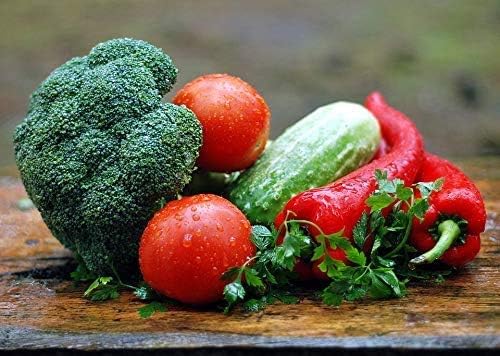
Figure 5: Example of Harvested Vegetables
Troubleshooting
Poor Germination
- Cause: Soil too cold, inconsistent moisture, planting too deep, old seeds.
- Solution: Ensure proper soil temperature, maintain consistent moisture, plant at correct depth. While these seeds are dated for 2025, proper storage is key for viability.
Slow or Stunted Growth
- Cause: Insufficient sunlight, nutrient deficiency, overcrowding, pest issues.
- Solution: Verify sunlight exposure, consider gentle fertilization, thin seedlings, inspect for pests.
Incorrect Plant Type
In rare instances, a seed packet may contain seeds for a different plant than indicated. If you suspect this has occurred, verify the plant's identity as it grows. While official product videos are not available from the seller to demonstrate this, customer feedback has occasionally noted discrepancies. Ensure plant markers are used to track varieties.
Specifications
| Feature | Detail |
|---|---|
| Plant or Animal Product Type | vegetable seeds |
| Indoor/Outdoor Usage | Outdoor |
| Brand | Valley Greene |
| Material Feature | GMO Free, Heirloom |
| Color | Brown |
| Special Feature | High Germination Rate |
| Expected Blooming Period | Winter |
| Sunlight Exposure | Partial Sun |
| Unit Count | 30 Count |
| Product Care Instructions | Keep it in cool dry place. |
| Expected Plant Height | 1 Inches |
| Soil Type | Loam Soil |
| Number of Pieces | 30 |
| Package Dimensions | 5.39 x 5.28 x 2.09 inches |
| Item Weight | 4.2 ounces |
Storage
Seed Storage
To maintain seed viability, store your Valley Greene seeds in a cool, dry place. While seeds are dated to sell by December 2025, proper storage can extend their viability for several years beyond this date.
Warranty and Support
For specific warranty information or product support, please refer to the product packaging or contact Valley Greene customer service directly. No specific warranty details are provided in this manual.
Ask a question about this manual
Ask about setup, troubleshooting, compatibility, parts, safety, or missing instructions. Manuals+ will review the question and use this page’s manual context to help answer it.