
1. Introduction
This manual provides essential information for the proper installation, operation, and maintenance of your Engine Pro MC1612 Mechanical Camshaft. This camshaft is designed for high-performance Chevy Small Block 350 (5.7L) engines. Adherence to these instructions is crucial for optimal engine performance and longevity. Professional installation is highly recommended due to the specialized nature of this component.
2. Product Overview
The Engine Pro MC1612 is a mechanical (solid lifter) camshaft engineered to deliver specific valve lift and duration characteristics for enhanced engine output. It features a 485/485 lift profile, indicating the maximum valve lift in inches for both intake and exhaust valves. This design contributes to improved horsepower and torque in compatible engine configurations.
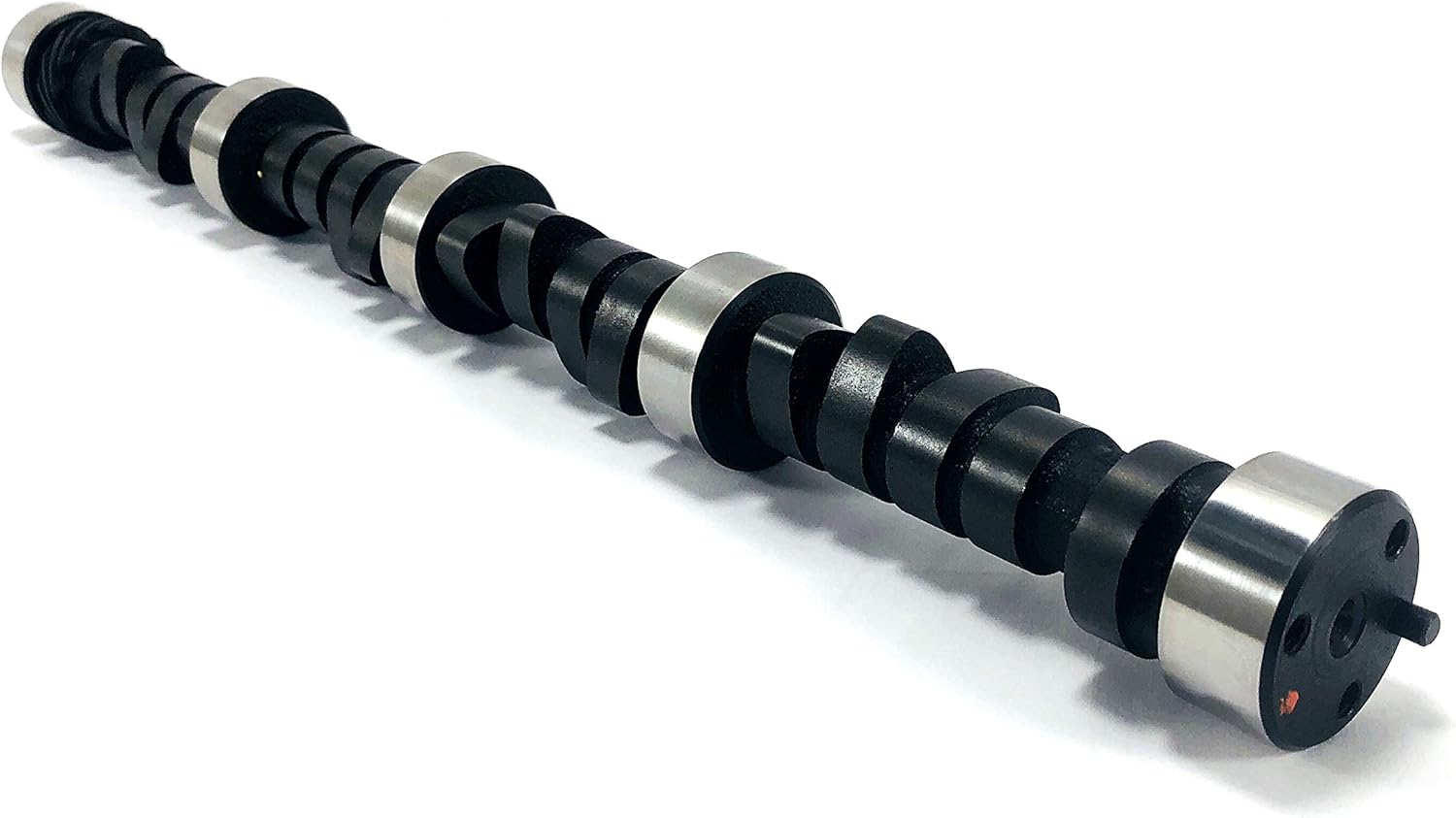
A detailed view of the Engine Pro MC1612 mechanical camshaft, featuring its black lobes and silver bearing journals, designed for high-performance applications.
3. Setup and Installation
Installing a mechanical camshaft requires precision and specialized tools. It is strongly advised that installation be performed by a qualified automotive technician.
3.1 Pre-Installation Checks
- Verify that all associated valvetrain components (lifters, pushrods, rocker arms, valve springs, retainers, and locks) are compatible with a mechanical camshaft and the specified lift.
- Inspect the camshaft for any shipping damage or manufacturing defects.
- Ensure the engine block's camshaft bearings are in good condition and properly aligned.
3.2 Installation Procedure
- Thoroughly clean the camshaft and apply a high-quality camshaft assembly lubricant to all lobes and bearing journals.
- Carefully slide the camshaft into the engine block, ensuring not to damage the camshaft bearings.
- Install the timing chain and gears, ensuring correct timing alignment according to engine manufacturer specifications.
- Install mechanical lifters, pushrods, and rocker arms.
- Adjust valve lash to the manufacturer's recommended specifications for a mechanical camshaft. This is a critical step for proper operation and must be done accurately.
- Perform initial engine break-in procedures as recommended by the engine builder or camshaft manufacturer to properly seat the lifters and camshaft lobes.
Warning: Incorrect installation or improper valve lash adjustment can lead to severe engine damage.
4. Operating Principles
A camshaft is a rotating shaft with eccentric lobes that open and close the engine's intake and exhaust valves. In a mechanical camshaft system, solid lifters transmit the lobe's motion directly to the pushrods. The specific profile of the MC1612's lobes dictates the valve lift (how far the valve opens) and duration (how long the valve stays open), which are critical factors in controlling the engine's airflow and combustion efficiency. The 485/485 lift indicates a symmetrical lift profile for both intake and exhaust valves, optimized for high-performance characteristics.
5. Maintenance
Proper maintenance is essential for the longevity and performance of your mechanical camshaft and the entire valvetrain.
- Oil Changes: Regular oil changes with high-quality engine oil are paramount. Mechanical camshafts, especially in high-performance applications, require oil with adequate ZDDP (Zinc Dialkyldithiophosphate) content to prevent premature wear on the lobes and lifters. Consult your engine builder or oil manufacturer for specific recommendations.
- Valve Lash Adjustment: Periodically check and adjust valve lash according to engine builder or camshaft manufacturer specifications. Mechanical lifters require precise lash settings to ensure proper valve operation and prevent excessive wear or noise.
- Valvetrain Inspection: During routine maintenance, inspect rocker arms, pushrods, and valve springs for signs of wear, fatigue, or damage.
6. Troubleshooting
If you experience issues after camshaft installation, consider the following common troubleshooting steps:
- Excessive Valvetrain Noise: This often indicates incorrect valve lash adjustment. Re-check and adjust valve lash to specifications. It could also be a sign of worn lifters or rocker arms.
- Poor Engine Performance/Misfires: Verify correct engine timing. Incorrect camshaft timing can severely impact performance. Also, re-check valve lash settings.
- Engine Damage/Component Failure: If severe issues occur, immediately cease engine operation. This may indicate a critical installation error, incompatible components, or a manufacturing defect. Consult a professional mechanic.
Note: Many performance-related issues can stem from improper tuning or component incompatibility. Always ensure all engine components are matched for your specific application.
7. Specifications
| Specification | Detail |
|---|---|
| Brand | Engine Pro |
| Model Number | MC1612 |
| Application | Chevy SBC 350 5.7L |
| Camshaft Type | Mechanical (Solid Lifter) |
| Lift (Intake/Exhaust) | 485/485 |
| Product Dimensions | 26 x 3 x 3 inches |
| ASIN | B07L227VH6 |
| Date First Available | February 4, 2019 |
8. Warranty and Support
For information regarding warranty coverage or technical support for your Engine Pro MC1612 Mechanical Camshaft, please contact the retailer from whom you purchased the product or the Engine Pro manufacturer directly. Keep your proof of purchase for any warranty claims.