
1. Product Overview
The uxcell S8050 J3Y is an NPN bipolar junction transistor (BJT) designed for general-purpose switching and amplification applications. It comes in a compact SOT-23 surface mount package, making it suitable for space-constrained electronic circuits. This component is Lead-Free and RoHS Compliant.

Image 1: A single uxcell S8050 J3Y NPN Transistor, showing its compact SOT-23 package and 'J3Y' marking.
Key Features:
- Transistor Type: NPN Bipolar Junction Transistor
- Package: SOT-23 Surface Mount
- Collector Current (Ic): 500mA
- Collector-Emitter Voltage (Vceo): 25V
- DC Current Gain (HFE): 200-350
- Power Dissipation (PCM): 300mW
- Compliance: Lead-Free / RoHS Compliant
- Application: Widely used in switching circuits
- Characteristics: High Forward Surge Current Capability, High Temperature Soldering, Low Power Loss, High Efficiency
2. Specifications
| Parameter | Value |
|---|---|
| Model | S8050 (J3Y Marking) |
| Transistor Type | NPN |
| Package Type | SOT-23 (Surface Mount) |
| Collector Current (Ic) | 500mA |
| Collector-Emitter Voltage (Vceo) | 25V |
| DC Current Gain (HFE) | 200-350 |
| Power Dissipation (PCM) | 300mW |
| Material | Plastic, Electronic Components |
| Compliance | Lead-Free / RoHS Compliant |

Image 2: A reel containing 100 pieces of uxcell S8050 J3Y NPN Transistors, indicating bulk packaging.
3. Setup and Mounting
3.1. Package and Pinout
The S8050 J3Y transistor is supplied in an SOT-23 surface mount package. This package typically has three leads. While specific pin assignments can vary slightly between manufacturers, a common configuration for an NPN SOT-23 transistor is:
- Pin 1: Base (B)
- Pin 2: Emitter (E)
- Pin 3: Collector (C)
Always refer to the specific datasheet for the exact pinout diagram if precise orientation is critical for your application.
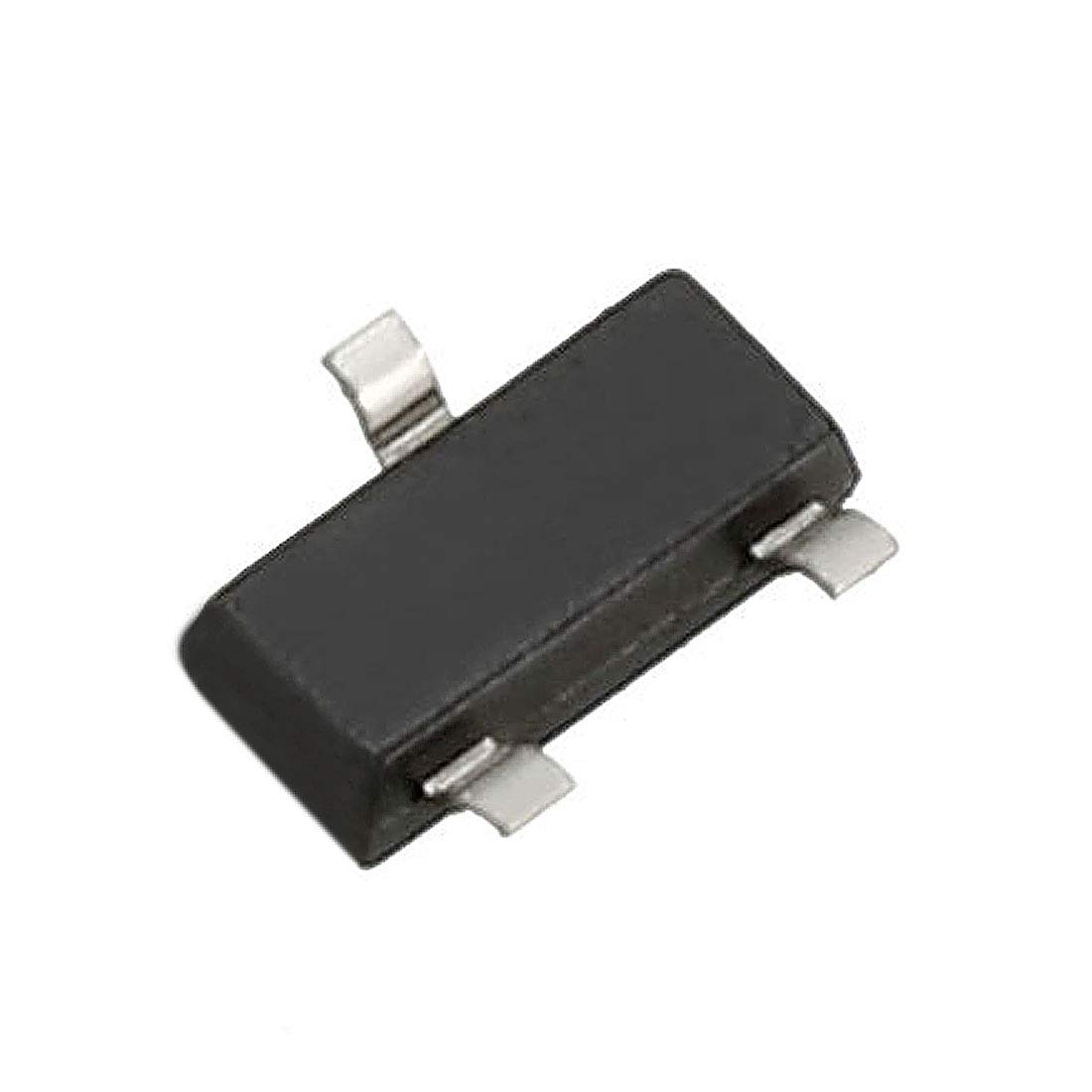
Image 3: An alternative view of the uxcell S8050 J3Y NPN Transistor, highlighting its small form factor.
3.2. Surface Mounting
These transistors are designed for surface mount technology (SMT). Proper mounting requires:
- Solder Paste Application: Apply solder paste to the designated pads on the Printed Circuit Board (PCB).
- Component Placement: Accurately place the SOT-23 transistor onto the solder paste using pick-and-place equipment or fine-tipped tweezers. Ensure correct orientation according to the circuit design and pinout.
- Reflow Soldering: Heat the PCB in a reflow oven according to the solder paste manufacturer's recommended temperature profile. This melts the solder paste, forming electrical and mechanical connections.
- Inspection: After cooling, visually inspect the solder joints for proper formation, ensuring no shorts or open circuits.
4. Operating Principles
The S8050 J3Y is an NPN Bipolar Junction Transistor. In an NPN transistor, a small current flowing from the base to the emitter controls a larger current flowing from the collector to the emitter. This characteristic allows the transistor to function as an electronic switch or an amplifier.
- Switching Mode: When a sufficient positive voltage is applied to the base (relative to the emitter), the transistor turns 'on', allowing current to flow from collector to emitter. When the base voltage is removed or made sufficiently low, the transistor turns 'off', blocking current flow.
- Amplification Mode: By applying a varying small signal to the base, the transistor can produce a larger, proportional varying signal at the collector, thus amplifying the input.
Always operate the transistor within its specified maximum ratings (Ic, Vceo, PCM) to ensure reliable performance and prevent damage.
5. Maintenance and Storage
5.1. Handling Precautions
- Electrostatic Discharge (ESD): These components are sensitive to ESD. Always handle them in an ESD-safe environment, using grounded wrist straps and work surfaces.
- Mechanical Stress: Avoid applying excessive mechanical force to the transistor leads or body, as this can cause damage.
- Soldering: Follow recommended soldering profiles to prevent overheating, which can degrade performance or damage the component.
5.2. Storage
Store transistors in their original packaging in a dry, cool environment, away from direct sunlight and corrosive substances. Ensure the storage area is free from static electricity.
6. Troubleshooting
If the transistor circuit is not functioning as expected, consider the following:
- Incorrect Wiring: Verify all connections, especially the base, collector, and emitter, are correctly wired according to the circuit diagram and transistor pinout.
- Power Supply Issues: Ensure the power supply voltage and current are within the required range for the circuit and the transistor.
- Component Orientation: Confirm the transistor is mounted with the correct orientation.
- Overload/Damage: Check if the transistor has been subjected to overcurrent, overvoltage, or excessive heat, which could cause permanent damage.
- Associated Components: Inspect other components in the circuit (resistors, capacitors, etc.) for proper values and functionality.
7. Safety Information
When working with electronic components and circuits, always observe the following safety guidelines:
- Power Off: Disconnect power from the circuit before making any connections or disconnections.
- ESD Protection: Use appropriate ESD protection measures to prevent damage to sensitive components.
- Soldering Safety: Use proper ventilation when soldering and avoid direct contact with hot soldering irons or molten solder.
- Short Circuits: Be careful to avoid accidental short circuits, which can damage components or power supplies.
8. Warranty and Support
For specific warranty information or technical support regarding your uxcell S8050 J3Y NPN Transistors, please contact uxcell directly through their official channels or the retailer from whom the product was purchased. Keep your purchase receipt or order details handy for any inquiries.