
1. Introduction
This manual serves as a comprehensive guide for the operation and maintenance of your Case 580E, 580Se, or 580 Super E Tractor Loader Backhoe. It provides essential information to ensure safe, efficient, and prolonged use of your equipment. Understanding the contents of this manual is crucial for proper machine function, basic maintenance, and identifying correct fluid types and quantities.
This document is a quality reproduction, designed for durability and clarity, offering factory-authored guidance that is superior to aftermarket alternatives. It aims to help operators perform necessary adjustments and maintenance, thereby avoiding frustration and wasted time.
2. Safety Information
Always prioritize safety when operating or performing maintenance on the Case 580E, 580Se, or 580 Super E Tractor Loader Backhoe. Failure to follow safety instructions can result in serious injury or death.
- Read the Manual: Before operating the machine, thoroughly read and understand all instructions and warnings contained in this manual.
- Personal Protective Equipment (PPE): Always wear appropriate PPE, including hard hat, safety glasses, hearing protection, and safety footwear.
- Machine Inspection: Before each use, perform a walk-around inspection to check for any damage, leaks, or loose components.
- Operator Controls: Familiarize yourself with all controls, their functions, and emergency shutdown procedures.
- Work Area Safety: Ensure the work area is clear of personnel and obstructions. Be aware of overhead power lines and underground utilities.
- Stabilizers: Always deploy stabilizers on firm, level ground before operating the backhoe.
- Load Limits: Do not exceed the machine's rated lift capacities. Overloading can cause instability and tip-over.
- Maintenance Safety: Disconnect power and relieve hydraulic pressure before performing any maintenance or adjustments. Use proper tools and techniques.
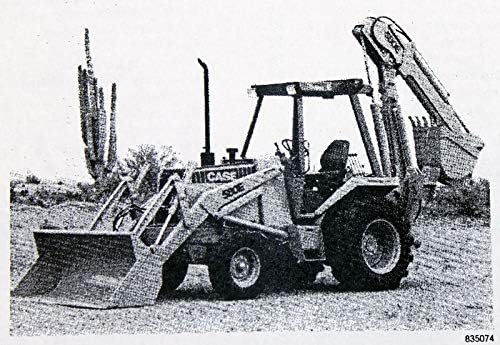
Figure 2.1: A typical Case 580 series Tractor Loader Backhoe. Always ensure the machine is in good working order before operation.
3. Operating Instructions
This section details the proper procedures for operating your Case Tractor Loader Backhoe, including controls, starting, and specific loader and backhoe operations.
3.1. Instruments and Controls
Familiarize yourself with the instrument panel and all control levers before operating the machine. Refer to the diagram below for identification of key components.

Figure 3.1: Instrument Panel and Controls. Key indicators include warning lamps for engine oil pressure, alternator, and hydraulic filter, along with gauges for fuel level and engine temperature.
Key controls and indicators include:
- Warning Lamps: For engine oil pressure, alternator, hydraulic filter, and engine temperature.
- Gauges: Tachometer, hour meter, fuel level, and engine temperature.
- Switches: For lights, horn, key start, and various operational modes.
- Pedals: Brake pedals (left and right), accelerator, and differential lock.
3.2. Backhoe Operation
Proper manipulation of the backhoe controls is essential for efficient digging and loading. The following diagrams illustrate the control patterns for both foot swing and hand swing configurations.

Figure 3.2: Backhoe Control Patterns. Left diagram shows foot swing controls, right diagram shows hand swing controls. Each numbered point corresponds to a specific function like boom raise/lower, dipper extend/retract, and bucket curl/dump.
When operating the backhoe, ensure the stabilizers are fully extended and the machine is level. Pay close attention to the digging technique to maximize efficiency and prevent damage.
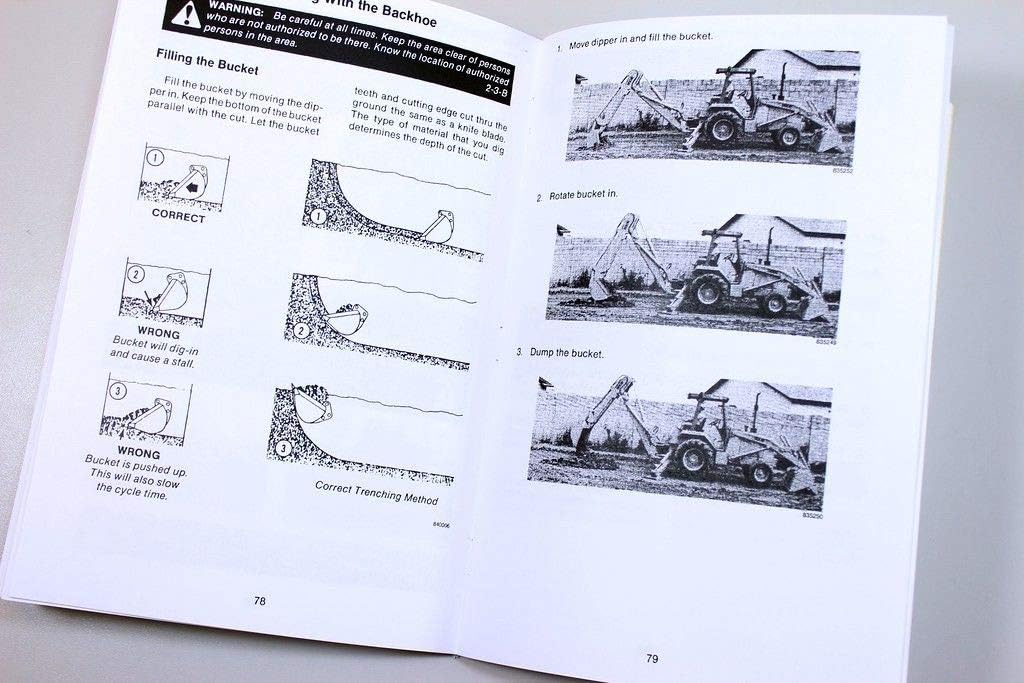
Figure 3.3: Correct and Incorrect Bucket Filling Methods. The top illustration shows the correct method of moving the dipper in and cutting to fill the bucket. The bottom illustrations show incorrect methods that can cause stalling or inefficiency.
Always be mindful of the machine's lift capacity. Exceeding these limits can lead to instability and tip-over. Refer to the lift capacity charts for safe operating parameters.

Figure 3.4: Standard Backhoe Lift Capacity Charts. These charts provide critical data on safe lifting limits based on height, reach, and boom position. Always consult these charts before lifting heavy objects.
4. Maintenance and Adjustments
Regular maintenance is crucial for the longevity and optimal performance of your Case Tractor Loader Backhoe. This section outlines key maintenance procedures and adjustments.
4.1. General Maintenance Guidelines
- Fluid Checks: Regularly check engine oil, hydraulic fluid, coolant, and fuel levels. Refer to the specifications for correct fluid types and capacities.
- Greasing: Lubricate all grease points according to the maintenance schedule to ensure smooth operation of moving parts.
- Filter Replacement: Periodically replace air filters, fuel filters, and hydraulic filters to maintain system cleanliness and efficiency.
- Tire Pressure: Maintain correct tire pressure for stability and optimal traction.
- Battery Maintenance: Check battery terminals for corrosion and ensure proper charge.
4.2. Adjustments
- Brake Adjustment: Ensure brakes are properly adjusted for effective stopping power.
- Loader and Backhoe Adjustments: Periodically check and adjust linkages and pins to minimize play and maintain precise control.
For detailed maintenance schedules and specific adjustment procedures, consult the full manual. Adhering to these guidelines will help prevent costly repairs and extend the life of your equipment.
5. Troubleshooting
This section provides general guidance for common issues you might encounter with your Case Tractor Loader Backhoe. For complex problems, it is recommended to consult a qualified service technician or the detailed service manual.
- Engine Not Starting: Check fuel level, battery charge, and ignition system. Ensure all safety interlocks are disengaged.
- Loss of Hydraulic Power: Check hydraulic fluid level, inspect for leaks, and ensure hydraulic filters are not clogged.
- Overheating: Check coolant level, radiator cleanliness, and fan belt tension.
- Unusual Noises: Investigate immediately. Could indicate loose components, worn bearings, or other mechanical issues.
- Poor Performance: Verify correct operating procedures, check fluid levels, and inspect for worn components or blockages.
Always refer to the specific troubleshooting charts and diagnostic procedures found in the complete service manual for detailed steps.
6. Specifications
The following are general specifications for the Case 580E, 580Se, and 580 Super E Tractor Loader Backhoe. For precise model-specific details, refer to your machine's identification plate and the full manual.
| Feature | Detail |
|---|---|
| Manual Type | Operators / Owners Manual |
| Applicable Models | Case 580E, 580Se, 580 Super E |
| Content Focus | Basic Maintenance, Operation, Fluid Types/Quantities, Adjustments |
| Manufacturer | AgPubs (Reproduction) |
| ASIN | B07K1LLNLH |
Note: This manual is a reproduction of the original factory-authored document, providing essential information for operators.
7. Additional Resources
For more in-depth information regarding repair, overhaul, troubleshooting, or detailed parts identification, consider acquiring the corresponding Service Manual or Parts Catalog for your Case 580 series equipment.
- Service Manual: Contains detailed repair, overhaul, and troubleshooting procedures.
- Parts Catalog: Provides exploded views, part names, and factory (OEM) part numbers for easy identification and ordering.
These additional resources are invaluable for comprehensive machine maintenance and repair.