
1. Product Overview
This Stalgast 12 Liter Water Softener is designed to reduce water hardness, prevent limescale deposits, and extend the lifespan of heating elements in connected appliances. It operates by exchanging hard minerals with softer ones, ensuring better performance and longevity for your equipment.
The unit has a maximum recommended preheating temperature of 45 °C. For optimal performance and regeneration, it is recommended to use Stalgast salt tablets, model BE2299101.
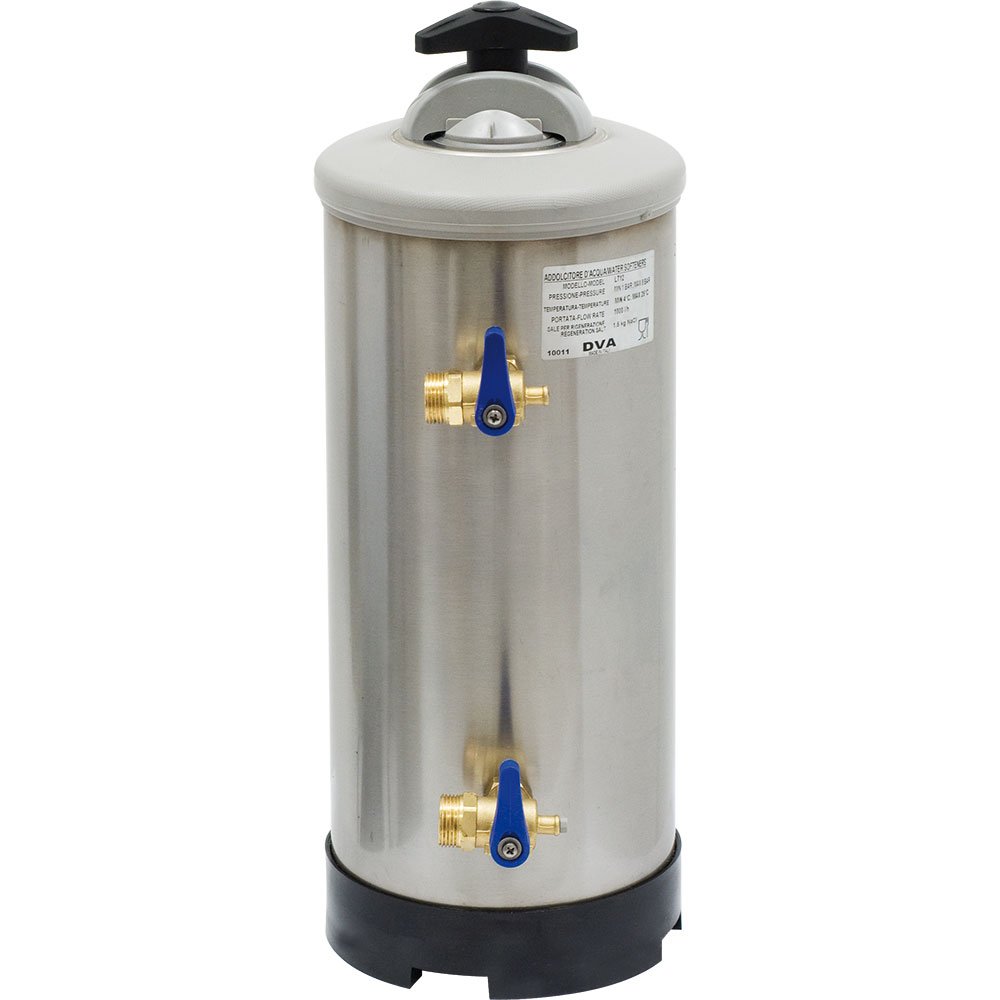
Figure 1: Stalgast 12 Liter Water Softener. This image displays the compact design of the water softener unit, including its main body and connection points for water input and output.
2. Setup and Installation
Proper installation is crucial for the efficient operation of your water softener. Please follow these general guidelines:
- Unpacking: Carefully remove the water softener from its packaging. Inspect for any visible damage.
- Placement: Position the unit on a stable, level surface near the main water supply line and a drain. Ensure adequate space for maintenance and salt replenishment.
- Water Connections: Connect the water inlet to your cold water supply and the water outlet to the appliance requiring softened water. Use appropriate plumbing fittings and ensure all connections are secure and leak-free.
- Drain Connection: Connect the drain line from the softener to an appropriate drain, ensuring there is an air gap to prevent back-siphonage.
- Salt Loading: Open the salt tank and fill it with the recommended regeneration salt (Stalgast salt tablets, model BE2299101). Ensure the salt level is maintained above the water level in the tank.
- Initial Rinse: Before first use, perform an initial rinse cycle according to the specific instructions provided with your unit's control head (if applicable) to flush out any manufacturing residues.
- Temperature Consideration: Ensure the incoming water temperature does not exceed the maximum preheating temperature of 45 °C.
Note: For detailed plumbing diagrams and specific connection requirements, consult a qualified plumber or refer to any supplementary installation guides provided with the control valve.
3. Operating Instructions
The Stalgast 12 Liter Water Softener operates automatically once properly installed and configured. Its primary function is to remove hardness minerals (calcium and magnesium) from your water supply through an ion-exchange process.
3.1. Normal Operation
During normal operation, hard water flows through a resin bed within the softener. The resin beads capture the hardness minerals, releasing sodium ions into the water, thus softening it. Softened water is then supplied to your connected appliances.
3.2. Regeneration Cycle
Over time, the resin beads become saturated with hardness minerals and lose their softening capacity. The unit then initiates a regeneration cycle to clean the resin. This process typically involves:
- Backwash: Water flows upwards through the resin bed to flush out accumulated debris.
- Brine Draw: A concentrated salt solution (brine) from the salt tank is drawn into the resin tank, flushing the hardness minerals off the resin beads.
- Slow Rinse: The brine solution is slowly rinsed through the resin bed.
- Fast Rinse: A final fast rinse removes any remaining brine and prepares the resin for service.
- Brine Refill: The salt tank is refilled with water to create new brine for the next regeneration.
The frequency of regeneration depends on your water hardness, water usage, and the softener's settings. Refer to your control valve's specific manual for programming regeneration schedules.
4. Maintenance
Regular maintenance ensures the longevity and efficiency of your water softener.
4.1. Salt Level Monitoring
Periodically check the salt level in the brine tank. Ensure it is always above the water level to allow for proper brine formation. Refill with Stalgast salt tablets (model BE2299101) as needed. Do not allow the salt tank to run completely empty for extended periods.
4.2. Brine Tank Cleaning
Over time, a residue known as "salt mushing" or "salt bridging" can form at the bottom of the brine tank. This can prevent proper brine formation. It is recommended to clean the brine tank annually or as needed:
- Bypass the water softener.
- Remove any remaining salt.
- Drain the water from the tank.
- Scrub the inside of the tank to remove any residue.
- Rinse thoroughly and refill with salt and water.
- Return the softener to service.
4.3. Resin Bed Maintenance
While the regeneration process cleans the resin, certain contaminants like iron can foul the resin over time. If you suspect iron fouling, specialized resin cleaners may be used. Consult a professional or the control valve manual for specific instructions.
5. Troubleshooting
This section provides solutions to common issues you might encounter with your water softener.
| Problem | Possible Cause | Solution |
|---|---|---|
| Water is not soft |
|
|
| Low water pressure |
|
|
| Excessive salt usage |
|
|
If the problem persists after attempting these solutions, please contact a qualified service technician.
6. Specifications
| Brand | Stalgast |
| Model Number | BE2202012 |
| Capacity | 12 Liters |
| Item Weight | 9.295 kg |
| Maximum Preheating Temperature | 45 °C |
| ASIN | B07JR8KN79 |
| First Available Date | November 6, 2018 |
7. Warranty and Support
Information regarding specific warranty terms and conditions for the Stalgast 12 Liter Water Softener is not available in the provided product details. For warranty claims, technical support, or spare parts availability, please contact:
- Your original retailer or point of purchase.
- Stalgast customer service directly (refer to the official Stalgast website for contact information).
Please have your model number (BE2202012) and purchase date ready when contacting support.