
1. General Information
This manual is an Operator's Manual for the Ford 501 Sickle Bar Mower. It provides essential information for the proper operation, basic maintenance, and adjustments necessary for efficient use. This type of manual focuses on daily use, routine care, and minor adjustments, distinct from Service Manuals (for repairs and troubleshooting) or Parts Catalogs (for exploded views and part numbers).
Refer to this manual for details on fluid types, quantities, and operational adjustments to ensure the longevity and optimal performance of your equipment.

Figure 1.1: Contents page of the manual, outlining sections such as General Information, Pre-Operation, Adjustments, Attachments, Lubrication, Maintenance, Safety Precautions, Shipping, Assembly, and Pre-Delivery.
2. Pre-Operation Checks
Before operating the Ford 501 Sickle Bar Mower, perform the following checks to ensure safety and proper function:
- Inspect Mower Condition: Check for any loose bolts, damaged parts, or excessive wear on the cutter bar and knives.
- Lubrication: Ensure all grease points are adequately lubricated as specified in the 'Lubrication' section.
- Tractor Compatibility: Verify that the tractor (Ford 2000, 3000, 4000, 5000 series) is suitable for operating the mower and that its PTO (Power Take-Off) system is functioning correctly.
- Safety Shields: Confirm all safety shields and guards are in place and secure.
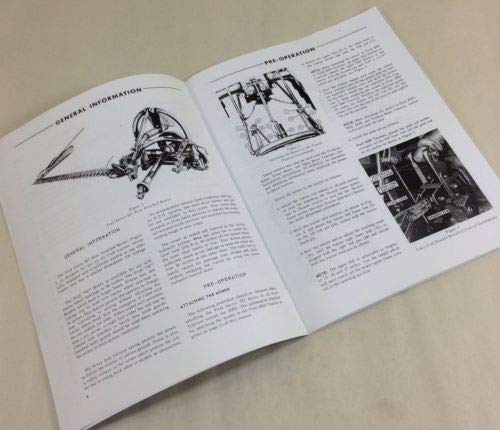
Figure 2.1: Manual pages detailing general information and initial pre-operation steps, including diagrams of the mower's attachment points.
3. Setup and Attaching the Mower
Proper attachment of the sickle bar mower to your tractor is crucial for safe and effective operation. Follow these steps:
- Position Tractor: Back the tractor squarely to the mower, aligning the three-point hitch arms with the mower's attachment points.
- Connect Lower Links: Secure the tractor's lower lift arms to the mower's lower pins using appropriate hitch pins.
- Connect Upper Link: Attach the tractor's top link to the mower's upper attachment point. Adjust the length of the top link to achieve the correct mower angle.
- Connect PTO Shaft: Carefully connect the PTO drive shaft from the tractor to the mower's input shaft. Ensure it is securely latched.
- Hydraulic Connections: If applicable, connect any hydraulic lines for lift or angle adjustments.
- Check Clearance: Raise and lower the mower to ensure full range of motion without interference.
4. Operation
Operating the Ford 501 Sickle Bar Mower requires attention to PTO speeds, ground speeds, and field conditions.
4.1. PTO Speeds
Maintain the tractor's PTO at the recommended speed, typically 540 RPM, for optimal cutting performance. Operating at incorrect PTO speeds can lead to inefficient cutting, excessive wear, or damage to the mower.
4.2. Ground Speeds
Select a ground speed appropriate for the crop density and terrain. Slower speeds are recommended for heavy, dense crops or uneven ground, while faster speeds can be used in lighter conditions. Avoid excessive speed, which can cause clogging, poor cut quality, and increased stress on the equipment.
4.3. Field Operation
Engage the PTO smoothly. Lower the cutter bar gradually into the cutting position. Overlap passes slightly to ensure a complete cut. Monitor the mower's performance and listen for unusual noises, which may indicate a problem.
5. Adjustments
Various adjustments can be made to optimize the mower's performance for different conditions.
5.1. Axle Adjustment
Adjust the axle to maintain proper balance and stability of the mower, especially on sloped terrain.
5.2. Cutter Bar Angle
The angle of the cutter bar can be adjusted to achieve the desired cutting height and to adapt to different crop types. Refer to the manual's diagrams for specific adjustment points.
5.3. Height of Cut
The cutting height is primarily controlled by the tractor's three-point hitch and the mower's skid shoes. Adjust these to achieve the desired stubble height.
5.4. Drive Belt Tension
Ensure the drive belt has the correct tension. A belt that is too loose can slip, reducing cutting efficiency, while a belt that is too tight can cause premature wear on bearings and the belt itself.
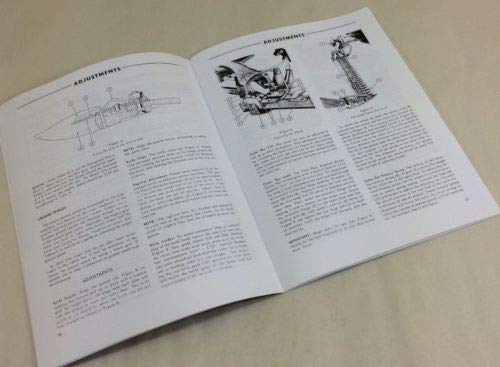
Figure 5.1: Pages illustrating adjustment procedures for components such as the axle, cutter bar, and drive belt, with corresponding diagrams.
6. Attachments
The Ford 501 Sickle Bar Mower may utilize various attachments to enhance its functionality.
6.1. Clipping Wheel
A clipping wheel helps to support the outer end of the cutter bar, improving stability and cutting consistency, especially in uneven terrain.
6.2. Cut Finger Guards
These guards protect the cutting fingers and help guide the crop into the cutting mechanism, preventing clogging and improving cutting efficiency.
6.3. Transport Lock Assembly
The transport lock assembly secures the mower in a raised position for safe transport between fields or to storage. Always engage the transport lock before moving the tractor with the mower attached.
7. Lubrication
Regular lubrication is vital for the smooth operation and longevity of your sickle bar mower. Refer to the lubrication chart in the manual for specific grease points and recommended lubrication intervals.
- Grease Fittings: Apply appropriate grease to all designated grease fittings using a grease gun.
- Oil Levels: Check and maintain proper oil levels in gearboxes or other enclosed components as specified.
- Frequency: Lubricate daily or after every 8 hours of operation, or as indicated by the manufacturer.
8. Maintenance
Routine maintenance ensures the mower operates efficiently and safely.
8.1. Knife and Cutter Bar Maintenance
The cutting knives and cutter bar are critical components. Keep them sharp and free from damage.
- Removing the Knife: Follow the instructions for safely removing the knife sections for inspection or replacement.
- Sharpening the Knife: Sharpen dull knives to maintain cutting efficiency. Use appropriate tools and techniques to ensure a proper cutting edge.
- Replacing Ledger Plates: Worn or damaged ledger plates should be replaced to ensure proper shearing action against the knives.
8.2. General Inspection
Regularly inspect all bolts, nuts, and fasteners for tightness. Check for signs of wear on belts, chains, and bearings. Replace any worn or damaged parts promptly.
9. Safety Precautions
Always prioritize safety when operating and maintaining the Ford 501 Sickle Bar Mower.
- Read Manual: Thoroughly read and understand this manual before operation.
- Personal Protective Equipment (PPE): Wear appropriate PPE, including safety glasses, gloves, and sturdy footwear.
- Clear Area: Ensure the operating area is clear of bystanders, children, and animals.
- PTO Safety: Never approach or work on the mower while the PTO is engaged. Disengage PTO and shut off the tractor engine before performing any adjustments or maintenance.
- Transport Safety: Use the transport lock when moving the mower. Drive slowly and carefully, especially on public roads.
- Sharp Edges: Be aware of sharp cutting edges on the sickle bar. Handle with care.
10. Shipping
When preparing the mower for shipping or long-term storage, ensure it is properly secured and protected. Drain fluids if necessary and cover exposed parts to prevent corrosion. Follow all local and national regulations for transporting agricultural equipment.
11. Assembly
If the mower is received partially disassembled, follow these general assembly guidelines. Refer to the detailed diagrams and instructions provided in the original manual for specific steps.
11.1. Attaching Kits
Certain components or optional kits may require assembly. Ensure all fasteners are tightened to the specified torque values. Do not overtighten.
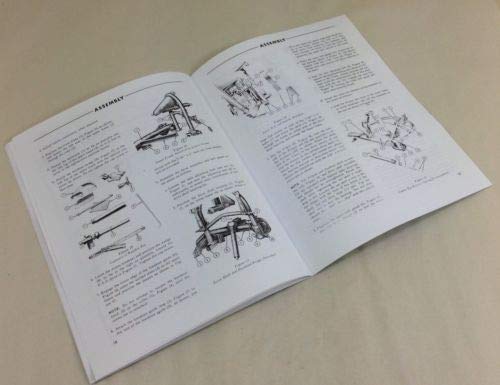
Figure 11.1: Pages illustrating the assembly process for the mower, including various components and attachment points.
12. Pre-Delivery Inspection
Before the mower is delivered or put into service for the first time, a thorough pre-delivery inspection should be conducted. This includes:
- Verifying all components are correctly assembled and secured.
- Checking fluid levels and lubricating all grease points.
- Ensuring all safety decals are present and legible.
- Testing the PTO connection and hydraulic functions.
13. Troubleshooting
This section provides general guidance for common operational issues. For detailed troubleshooting, consult a service manual or qualified technician.
- Poor Cutting Performance: Check knife sharpness, ledger plate condition, PTO speed, and ground speed. Ensure the cutter bar is not clogged.
- Excessive Vibration: Inspect for loose components, bent knives, or unbalanced parts.
- Unusual Noises: Stop operation immediately and investigate the source. Could indicate worn bearings, gears, or other mechanical issues.
- Hydraulic Issues: Check hydraulic fluid levels, connections, and ensure the tractor's hydraulic system is functioning correctly.
14. Specifications
| Specification | Detail |
|---|---|
| Item Model Number | M-51650 |
| Package Dimensions | 10.98 x 8.54 x 0.28 inches |
| Item Weight | 3.84 ounces |
| Manufacturer | Peaceful Creek |
| Date First Available | September 28, 2018 |
15. Warranty and Support
For information regarding product warranty, please refer to the original purchase documentation or contact the manufacturer, Peaceful Creek, directly. This operator's manual does not contain warranty details.
For technical support or to order replacement parts, please contact your authorized dealer or the manufacturer. When contacting support, have your model number (M-51650) and any relevant purchase information ready.