
1. Introduction
This manual provides essential information for the proper installation, operation, and maintenance of your TOPEMAI GY6 150cc Carburetor. Please read these instructions thoroughly before attempting any installation or use to ensure safe and efficient performance. This carburetor is designed for GY6 4-stroke engines, commonly found in 125cc and 150cc motorcycles, scooters, ATVs, dune buggies, and go-karts.
2. Product Overview and Components
The TOPEMAI GY6 150cc Carburetor is a replacement part designed to optimize fuel-air mixture for improved engine performance. It includes an electric choke for easier cold starts.

Figure 2.1: General view of the TOPEMAI 150cc GY6 Carburetor with electric choke and fuel filter.

Figure 2.2: Side view of the carburetor, highlighting various connections and components.
Package Contents:

Figure 2.3: Included components in the package.
- 1 x 150cc Carburetor (with Electric Choke)
- 1 x 150cc Intake Manifold
- 1 x 150cc Air Filter (42mm)
3. Compatibility
This 150cc Carburetor is compatible with most Chinese brand vehicles and may also fit some Japanese style models. It is specifically designed for GY6 125cc and 150cc engines (152QMI, 152QMJ, 157QMI, 157QMJ).

Figure 3.1: Visual representation of compatible vehicle types and brands.
Common Compatible Vehicles:
- Chinese Brands: Roketa, Sunl, Baja, Kazuma, Carroll Stream Eagle, Taotao, Panterra, Kymco, Redcat Tank, Giovanni, Aimex, Jackel, Wildfire, Xtreme, Seaseng, Qlink, Yiben, Jonway, Jmstar, Vento, Tng, Apollo, BuYang, Coolster, JCL, Jetmoto, Kinroad, Loncin, Motobravo, Polaris, SSR, TTR, Yamoto, Znen, Zongshen, etc.
- Japanese Style: Honda, Yamaha, Suzuki, Kawasaki (verify fitment before purchase).
Also known as: GY6 150cc Carburetor, 150cc Scooter Carburetor, ATV 150cc Carburetor, PD24J Carburetor, 157QMJ Carburetor.
4. Specifications
| Feature | Specification |
|---|---|
| Inner Diameter (Intake Side) | 24mm |
| Outer Diameter (Intake Side) | 32mm |
| Inner Diameter (Air Filter Side) | 38mm |
| Outer Diameter (Air Filter Side) | 42mm |
| Choke Type | Electric Choke |
| Engine Type | GY6 4-Stroke (125cc/150cc) |
| Product Dimensions | 6"D x 6"W x 5"H |
| Item Weight | 2.25 pounds |

Figure 4.1: Carburetor dimensions for proper fitment.
5. Setup and Installation
Installation of a carburetor requires mechanical knowledge. If you are unsure about any steps, it is recommended to seek assistance from a qualified mechanic.
General Installation Steps:
- Safety First: Ensure the vehicle is turned off, cool, and on a stable surface. Disconnect the battery if necessary.
- Remove Old Carburetor: Carefully disconnect all hoses (fuel, vacuum, overflow) and electrical connections (electric choke) from the old carburetor. Remove the intake manifold and air filter connections.
- Install New Intake Manifold: Attach the new intake manifold to the engine cylinder head, ensuring a tight seal.
- Mount New Carburetor: Secure the new carburetor to the intake manifold. Connect the fuel line, vacuum lines, and overflow lines to their respective ports. Ensure all connections are secure to prevent leaks.
- Connect Electric Choke: Plug in the electric choke connector.
- Install Air Filter: Attach the new 42mm air filter to the carburetor's air intake side.
- Initial Fueling: Turn on the fuel supply. Allow the carburetor float bowl to fill. Check for any fuel leaks.
- Start Engine: Attempt to start the engine. It may take a few tries for fuel to fully circulate.
- Adjust Idle: Once the engine starts, allow it to warm up. Adjust the idle screw as needed to achieve a stable idle speed.
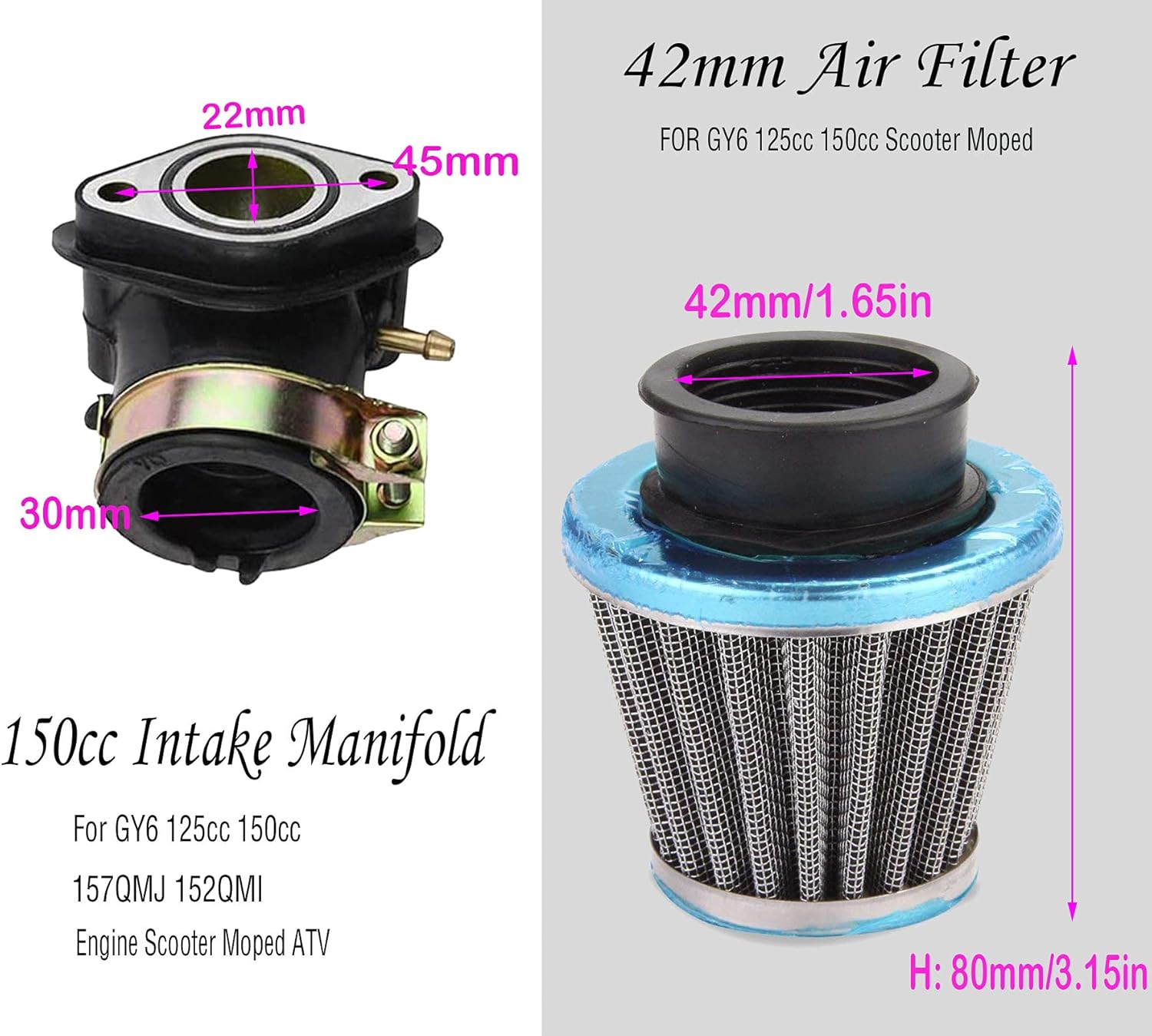
Figure 5.1: Intake Manifold for GY6 engines.

Figure 5.2: 42mm Air Filter for the carburetor.
Video 5.1: Official video showcasing the TOPEMAI High Performance GY6 150cc Carburetor, highlighting its features and components.
6. Operation
The electric choke automatically enriches the fuel mixture for easier starting in cold conditions. Once the engine warms up, the choke disengages, allowing for normal operation. Proper carburetor function ensures optimal engine performance and fuel efficiency.
7. Maintenance
Regular maintenance is crucial for the longevity and performance of your carburetor.
- Fuel Filter: Inspect and replace the fuel filter periodically (e.g., every 3-6 months or as needed) to prevent contaminants from reaching the carburetor.
- Air Filter: Clean or replace the air filter regularly to ensure proper airflow and prevent dirt from entering the engine.
- Fuel Quality: Use fresh, high-quality fuel. Stale or contaminated fuel can clog carburetor jets.
- Storage: If storing the vehicle for an extended period, drain the fuel from the carburetor float bowl or use a fuel stabilizer to prevent gumming and corrosion.
- Inspections: Periodically check all hoses and connections for cracks, leaks, or loose fittings.
8. Troubleshooting
Here are some common issues and potential solutions:
| Problem | Possible Cause | Solution |
|---|---|---|
| Engine won't start | No fuel, clogged fuel filter, faulty electric choke, incorrect idle adjustment. | Check fuel level, replace fuel filter, inspect choke wiring, adjust idle screw. |
| Rough idle or stalling | Incorrect idle adjustment, vacuum leak, dirty jets, air filter issue. | Adjust idle, check vacuum lines, clean carburetor, inspect/replace air filter. |
| Loss of power | Clogged fuel filter, dirty air filter, restricted fuel flow, incorrect jetting. | Replace filters, check fuel lines, clean carburetor, consult a mechanic for jetting. |
| Fuel leaks | Loose connections, cracked hoses, faulty float bowl gasket. | Tighten connections, replace damaged hoses, inspect/replace gasket. |
If troubleshooting steps do not resolve the issue, consult a professional mechanic.
9. Warranty and Support
For warranty information or technical support, please refer to the product packaging or contact TOPEMAI customer service directly. Keep your purchase receipt as proof of purchase.