
1. Overview
This manual provides essential information for the proper setup, operation, and maintenance of your Yamaha F310I Acoustic Guitar. Designed for beginners, this instrument offers a comfortable playing experience and quality sound.
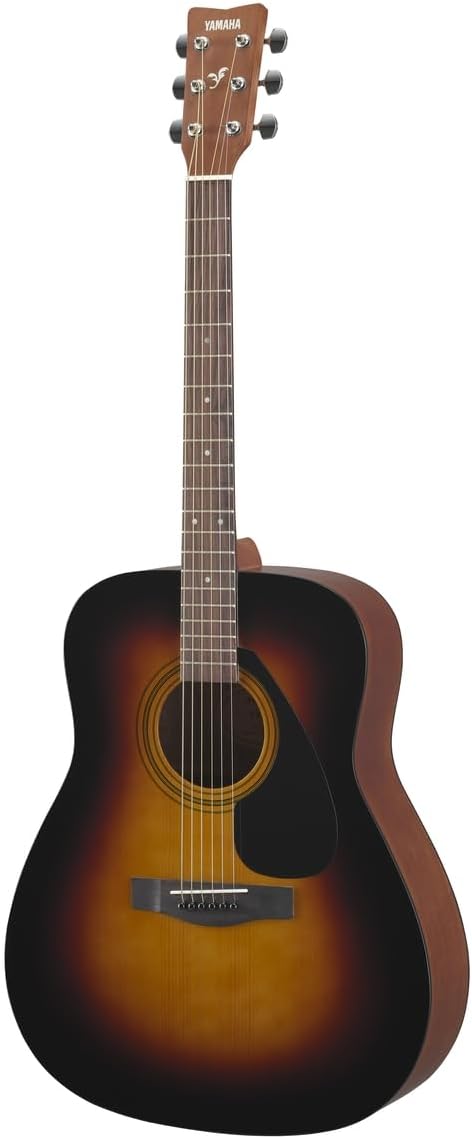
Figure 1: Front view of the Yamaha F310I Acoustic Guitar in Tobacco Brown Sunburst.
2. Product Features
The Yamaha F310I is a folk guitar featuring a spruce top and locally sourced tonewood for the back and sides, contributing to its balanced tone. It is equipped with a rosewood fingerboard and bridge, chrome tuners, and a black pickguard. The gloss tobacco brown sunburst finish provides a classic aesthetic.
- Top Material: Spruce Wood for clear resonance.
- Back & Sides Material: Locally Sourced Tonewood for balanced sound.
- Fingerboard & Bridge: Rosewood for smooth playability.
- Tuners: Chrome for reliable tuning stability.
- Finish: Gloss Tobacco Brown Sunburst.
- Pickguard: Black, for protection against strumming marks.

Figure 2: Back view of the Yamaha F310I Acoustic Guitar, showcasing the tonewood finish.
3. Setup
3.1 Unpacking
Carefully remove the guitar from its packaging. Inspect the instrument for any signs of damage that may have occurred during shipping. Retain all packaging materials for future transport or storage.
3.2 Initial Tuning
Your guitar will likely be out of tune upon arrival due to temperature and humidity changes during transit. It is essential to tune your guitar before playing.
- Prepare for Tuning: Ensure you are in a quiet environment.
- Use a Tuner: Utilize a digital tuner (clip-on, pedal, or mobile app) to accurately tune each string. The standard tuning for an acoustic guitar is E-A-D-G-B-E, from thickest to thinnest string.
- Adjust Tuning Pegs: Gently turn the tuning pegs to adjust the tension of each string until the tuner indicates the correct pitch. Turn slowly to avoid over-tightening and breaking strings.
- Stretch Strings (Optional): For new strings, gently pull each string away from the fretboard a few times to help them settle, then retune. This can improve tuning stability.

Figure 3: Headstock of the Yamaha F310I, showing the chrome tuning pegs.
4. Operating Your Guitar
4.1 Holding the Guitar
For right-handed players, rest the guitar on your right thigh, with the waist of the guitar curving around your thigh. The right arm should rest comfortably over the upper bout, allowing your hand to strum or pick over the soundhole. The left hand supports the neck and frets the strings.
4.2 Playing Techniques
The F310I is designed for ease of play, making it suitable for various styles. Its rosewood fingerboard provides a smooth surface for fretting, and the action (string height) is set to be comfortable for beginners.
- Strumming: Use a pick or your fingernails to strum across the strings. Experiment with different strumming patterns and dynamics.
- Picking: Use a pick or your fingertips to pluck individual strings. This is common for melodies and arpeggios.
- Chords: Press down on the strings at specific frets with your left-hand fingers to form chords. Ensure each note rings out clearly.

Figure 4: A person demonstrating proper posture while playing the Yamaha F310I Acoustic Guitar.
5. Maintenance
5.1 Cleaning
Regular cleaning helps maintain your guitar's appearance and prolong its lifespan.
- Body: Wipe the body with a soft, lint-free cloth after each use to remove fingerprints and sweat. For a deeper clean, use a guitar-specific polish.
- Strings: Wipe down the strings with a clean cloth after playing to remove oils and dirt, which can extend string life.
- Fingerboard: Periodically clean the rosewood fingerboard with a specialized lemon oil or conditioner to prevent drying and cracking.
5.2 String Replacement
Strings should be replaced regularly (every 1-3 months depending on usage) to maintain optimal tone and playability. When replacing strings, change them one at a time to maintain neck tension.
- Loosen String: Loosen the old string using the tuning peg until it is completely slack.
- Remove Bridge Pin: Carefully remove the bridge pin holding the string in place on the bridge. A string winder often has a notch for this.
- Remove Old String: Pull the old string out from the bridge and the tuning peg.
- Insert New String: Insert the ball end of the new string into the bridge hole and secure it with the bridge pin.
- Attach to Tuning Peg: Thread the other end of the string through the hole in the tuning peg. Wind the string neatly around the peg, ensuring a few wraps.
- Tune: Tune the new string to the correct pitch using a tuner.
5.3 Storage
Store your guitar in a stable environment, away from extreme temperature changes, direct sunlight, and high humidity. A guitar case or gig bag provides protection from dust and minor impacts.
6. Troubleshooting
- Poor Tuning Stability:
- Ensure strings are properly stretched, especially new ones.
- Check if strings are correctly wound around tuning pegs (2-3 wraps are ideal).
- Verify tuning pegs are not loose.
- Extreme temperature changes can affect tuning; allow the guitar to accclimate.
- Buzzing Strings:
- Check your finger placement; ensure you are pressing firmly just behind the fret.
- Inspect for worn frets or an improperly set action. Professional adjustment may be required.
- Ensure the neck is not bowed (too much relief or back-bow).
- Dull Sound:
- Old or dirty strings can sound dull. Replace them.
- Ensure the bridge pins are seated correctly.
7. Specifications
| Feature | Detail |
|---|---|
| Item Weight | 6.23 pounds |
| Product Dimensions | 40.5 x 16.25 x 4.56 inches |
| Item Model Number | F310I TBS |
| Back Material | Locally Sourced Tonewood |
| Body Material | Locally Sourced Tonewood |
| Color Name | Tobacco Sunburst |
| Fretboard Material | Rosewood |
| String Material | Phosphor Bronze |
| Top Material | Spruce Wood |
| Neck Material Type | Locally Sourced Tonewood |
| Number of Strings | 6 |
| Guitar Bridge System | Fixed |
| Hand Orientation | Right |
8. Warranty and Support
Your Yamaha F310I Acoustic Guitar is covered by a manufacturer's warranty against defects in materials and workmanship. Please refer to the warranty card included with your purchase for specific terms and conditions, including coverage duration and how to make a claim.
For technical support, service, or additional product information, please visit the official Yamaha website or contact their customer service department. Keep your proof of purchase for warranty purposes.
Online Support: www.yamaha.com