
1. Introduction and Overview
The Crayola Colour Chemistry Lab Set (Model 04-5176) is an engaging STEAM (Science, Technology, Engineering, Arts, and Mathematics) kit designed to introduce children aged 7 and above to the exciting world of chemistry through hands-on experiments. This comprehensive set includes all necessary materials and a detailed experiment guide to perform 50 unique and colorful scientific activities.
Experiments range from creating erupting volcanoes and bouncy balls to exploring color mixing, making glow worms, and various slime formulations. The kit encourages observation, critical thinking, and an understanding of basic chemical principles in a fun and interactive way.

Image 1.1: The Crayola Colour Chemistry Lab Set packaging, highlighting key experiments and the STEAM focus.
2. Setup and Components
2.1 Unpacking the Kit
Carefully open the packaging and remove all components. It is recommended to lay out all items on a clean, flat surface to ensure nothing is missing before beginning any experiments. Refer to the included experiment guide for a complete list of contents.
2.2 Identifying Components
The kit typically includes:
- Experiment Guide with 50 activities
- Graduated Cylinder
- Pipettes
- Paint Brush
- Ink Bottles (various colors)
- Fizzy Tabs
- Model Magic Clay
- Color Wheel and Disk Spinner components
- Slime Part A and Slime Part B solutions
- Calcium Chloride solution
- Glow Alginate
- Display Jar
- Other various small tools and containers

Image 2.1: A detailed view of the Crayola Colour Chemistry Lab Set components, including liquids, powders, and tools.
2.3 Safety Precautions
Always ensure adult supervision when performing experiments. Wear appropriate safety gear, such as safety goggles (not included, but highly recommended), to protect eyes. Do not ingest any chemicals or materials from the kit. Wash hands thoroughly before and after each experiment. Keep all materials away from young children and pets.
3. Operating the Lab Set (Experiments)
The Crayola Colour Chemistry Lab Set is designed for easy and engaging experimentation. Follow the step-by-step instructions provided in the Experiment Guide for each activity.
3.1 General Experiment Guidelines
- Read Instructions Carefully: Before starting any experiment, read through all steps in the Experiment Guide.
- Gather Materials: Ensure all required materials for the specific experiment are laid out and ready.
- Measure Accurately: Use the provided measuring tools (e.g., graduated cylinder, pipettes) for precise measurements as indicated in the guide.
- Observe and Record: Pay close attention to the reactions and changes during the experiment. Discuss observations and outcomes.
- Clean Up: Follow the cleaning instructions after each experiment to prepare for the next one.
3.2 Example Experiments
The kit offers a variety of experiments, including:
- Erupting Volcano: Use Model Magic clay to form a volcano and combine fizzy tabs with water and color for a vibrant eruption.
- Slime Creation: Mix Slime Part A and Slime Part B to create various types of colorful, stretchy slime.
- Glow Worms: Utilize Glow Alginate and Calcium Chloride to form glowing, gelatinous worms.
- Color Mixing: Experiment with the ink bottles and color wheel to understand primary and secondary colors and color theory.

Image 3.1: Children engaged in a chemistry experiment, observing a reaction in a petri dish.

Image 3.2: A volcano experiment in progress, demonstrating a colorful eruption.
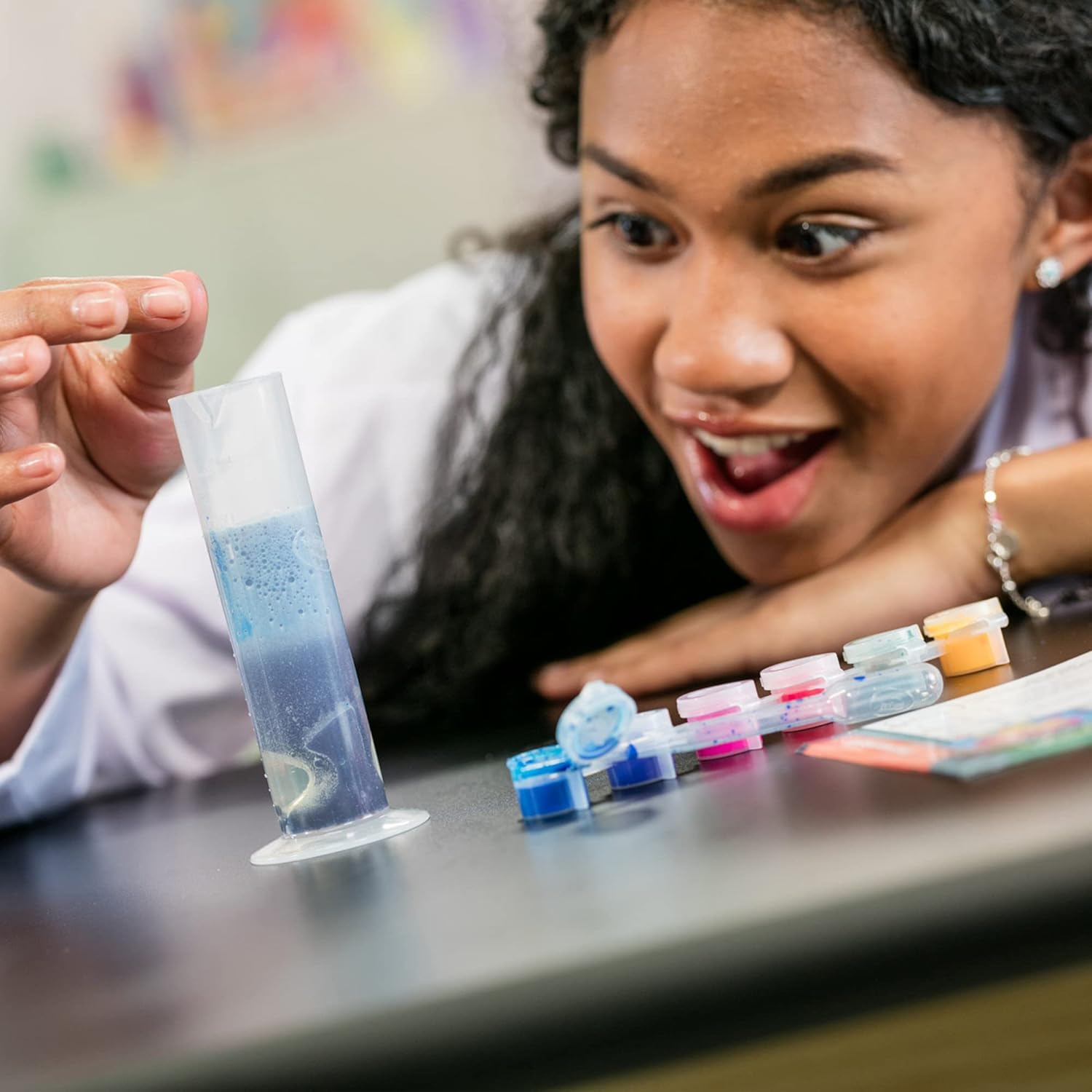
Image 3.3: A child observing a liquid in a graduated cylinder, showcasing the precision involved in experiments.
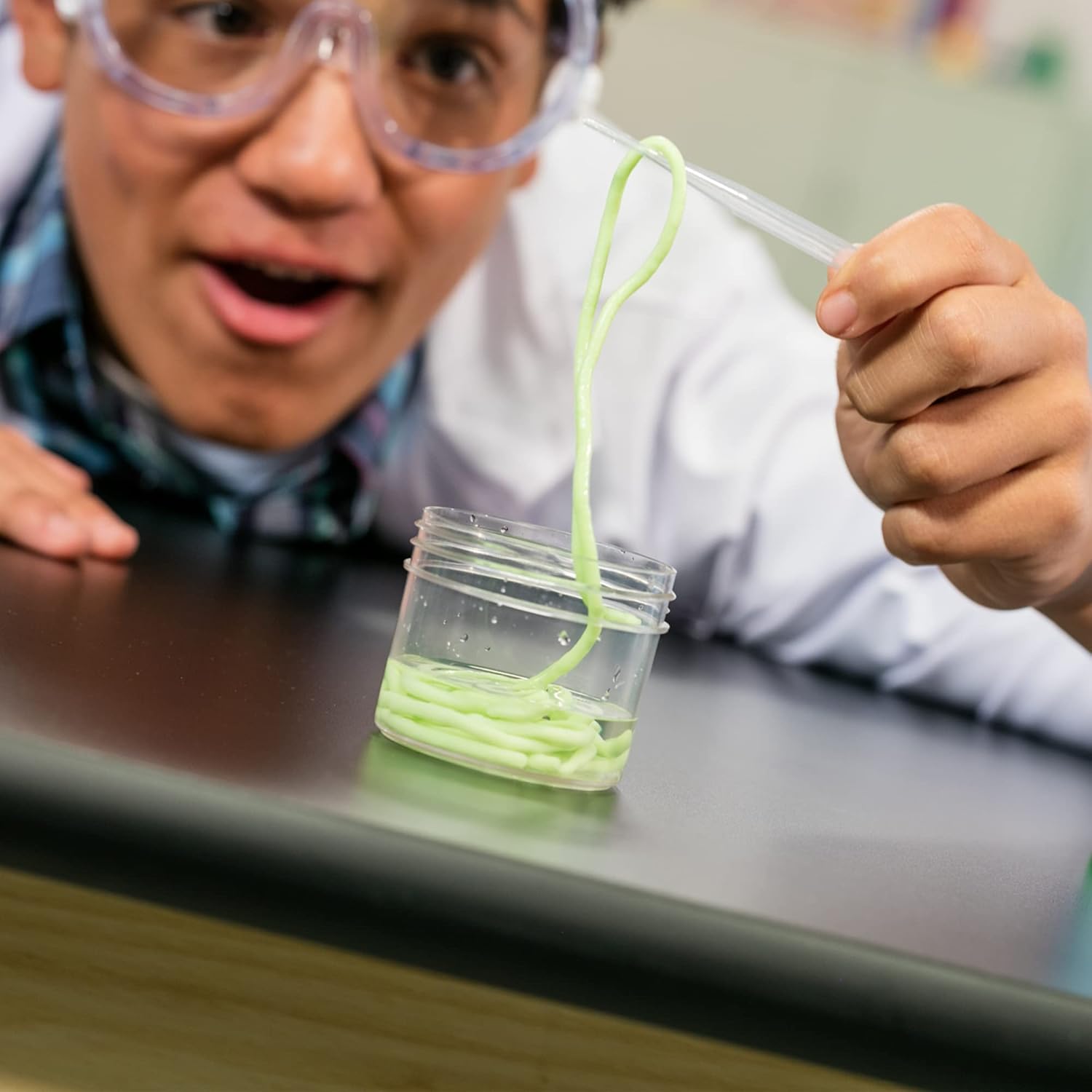
Image 3.4: A child demonstrating the creation of slime, an interactive part of the chemistry set.
4. Maintenance
4.1 Cleaning Lab Equipment
After each experiment, thoroughly clean all reusable lab equipment (e.g., graduated cylinder, pipettes, display jar) with warm water and mild soap. Rinse well and allow to air dry completely before storing. This prevents cross-contamination and ensures equipment is ready for future use.
4.2 Storage
Store all chemicals and components in their original containers, tightly sealed, and in a cool, dry place away from direct sunlight. Keep the kit out of reach of young children and pets. Proper storage helps maintain the integrity and effectiveness of the materials.
4.3 Disposal
Dispose of any leftover or used experiment materials according to local regulations. Most non-hazardous waste can be disposed of with regular household trash. Consult the Experiment Guide for specific disposal instructions for certain chemicals if applicable.
5. Troubleshooting
If an experiment does not yield the expected results, consider the following troubleshooting steps:
- Re-read Instructions: Double-check the Experiment Guide to ensure all steps were followed precisely. Small deviations can sometimes lead to different outcomes.
- Check Measurements: Verify that all ingredients were measured accurately using the provided tools. Incorrect ratios can affect chemical reactions.
- Material Condition: Ensure that materials like fizzy tabs or slime solutions have not expired or been exposed to extreme conditions that might alter their properties.
- Environmental Factors: Some experiments can be sensitive to temperature or humidity. Ensure the environment is suitable as per the guide.
- Common Issues: Some experiments, such as the bouncy ball, may require specific conditions or techniques to achieve optimal results. Persistence and careful adherence to instructions are key.
6. Specifications
| Feature | Detail |
|---|---|
| Brand Name | Crayola |
| Model Number | 04-5176 |
| UPC | 063652517609 |
| Age Range | 7+ (Adult supervision recommended) |
| Educational Objective | STEM (Science, Technology, Engineering, Arts, Mathematics) |
| Number of Experiments | 50 |
| Material Type | Paper, Plastic, various chemical compounds |
| Item Dimensions | 14.8 x 2.38 x 11 inches |
| Item Weight | 1.72 Pounds |
7. Warranty and Support
For any questions regarding the Crayola Colour Chemistry Lab Set, including missing parts, experiment difficulties, or product information, please contact Crayola customer support. Detailed contact information can typically be found on the product packaging or on the official Crayola website. Please retain your proof of purchase for any warranty claims or support inquiries.
