
1. Introduction
This manual provides essential information for the proper understanding, installation, and maintenance of your NGK/NTK Automatic Transmission Speed (ATS) Sensor, model AU0098 (74238). Please read this manual thoroughly before attempting any installation or service to ensure safe and correct operation.
2. Product Overview
The NGK/NTK AU0098 Automatic Transmission Speed (ATS) sensor is a critical component designed to measure the rotational speed of the transmission shafts. This data is then relayed to the Engine Control Module (ECM) or Transmission Control Module (TCM) to facilitate proper shift points, accurate speedometer operation, and effective transmission diagnostics. The sensor is constructed from high-strength thermoplastic, offering resistance to temperature fluctuations, moisture, and various chemicals. It features a pre-installed O-ring that precisely matches Original Equipment (OE) material and diameter, ensuring ease of installation and proper sealing. The sensor's output signal is engineered to match OE specifications for reliable performance.

Figure 2.1: Overall view of the NGK/NTK Automatic Transmission Speed Sensor AU0098, showing the sensor body, wiring harness, and connectors.
Key Features:
- Measures rotational speed of transmission shafts.
- Relays speed data to ECM/TCM for optimal shift points and speedometer accuracy.
- Constructed from high-strength thermoplastic for durability.
- Pre-installed OE-matching O-ring for secure sealing.
- Output signal matches Original Equipment specifications.
3. Setup and Installation
Installation of automotive sensors requires specific tools, technical knowledge, and adherence to vehicle manufacturer specifications. It is highly recommended that installation be performed by a qualified automotive technician. Incorrect installation can lead to vehicle malfunction, damage to the sensor or transmission, and potential safety hazards.
General Installation Guidelines (for reference only):
- Safety First: Ensure the vehicle is safely supported, the engine is off, and the battery is disconnected before beginning any work.
- Locate Old Sensor: Identify the location of the existing automatic transmission speed sensor on your vehicle's transmission. Consult your vehicle's service manual for precise location.
- Disconnect Wiring: Carefully disconnect the electrical connector from the old sensor. Avoid pulling directly on the wires.
- Remove Old Sensor: Unbolt or unclip the old sensor from its mounting point. Be prepared for a small amount of transmission fluid to leak out.
- Prepare New Sensor: Inspect the new NGK/NTK AU0098 sensor. Ensure the pre-installed O-ring is properly seated and free from damage.
- Install New Sensor: Insert the new sensor into the transmission opening. Ensure it seats correctly and secure it with the appropriate bolt or clip. Tighten to vehicle manufacturer's specifications.
- Connect Wiring: Reconnect the electrical connector to the new sensor, ensuring a firm and secure connection.
- Fluid Check: Check and top off transmission fluid if necessary, according to your vehicle's service manual.
- Test Operation: Reconnect the battery, start the vehicle, and check for proper transmission operation, speedometer function, and ensure no warning lights are illuminated.

Figure 3.1: Close-up view of one sensor head, illustrating the mounting eyelet and the entry point of the wiring harness into the sensor body.
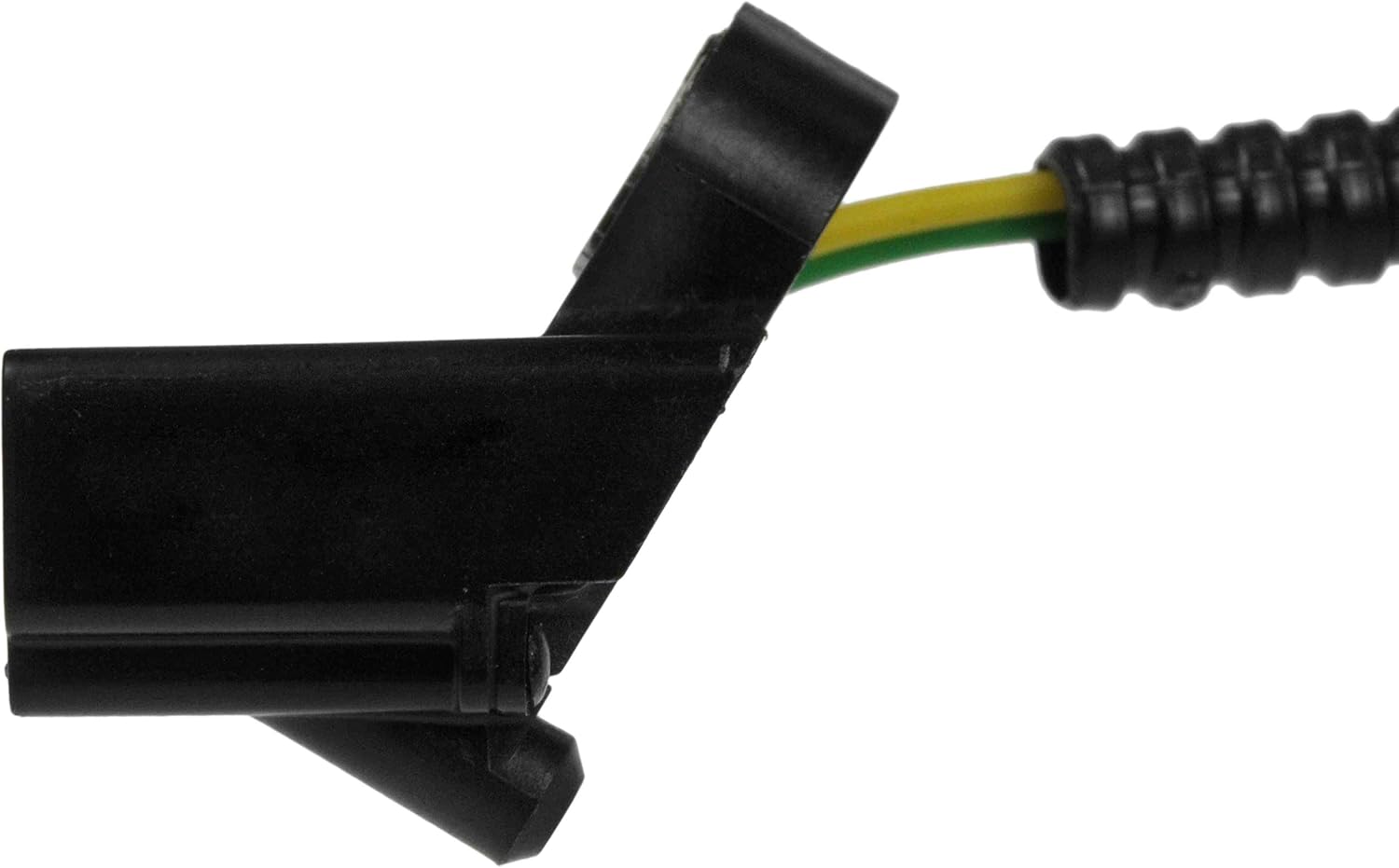
Figure 3.2: Detailed view of the electrical connector, showing the terminal pins and housing designed for secure connection to the vehicle's wiring harness.
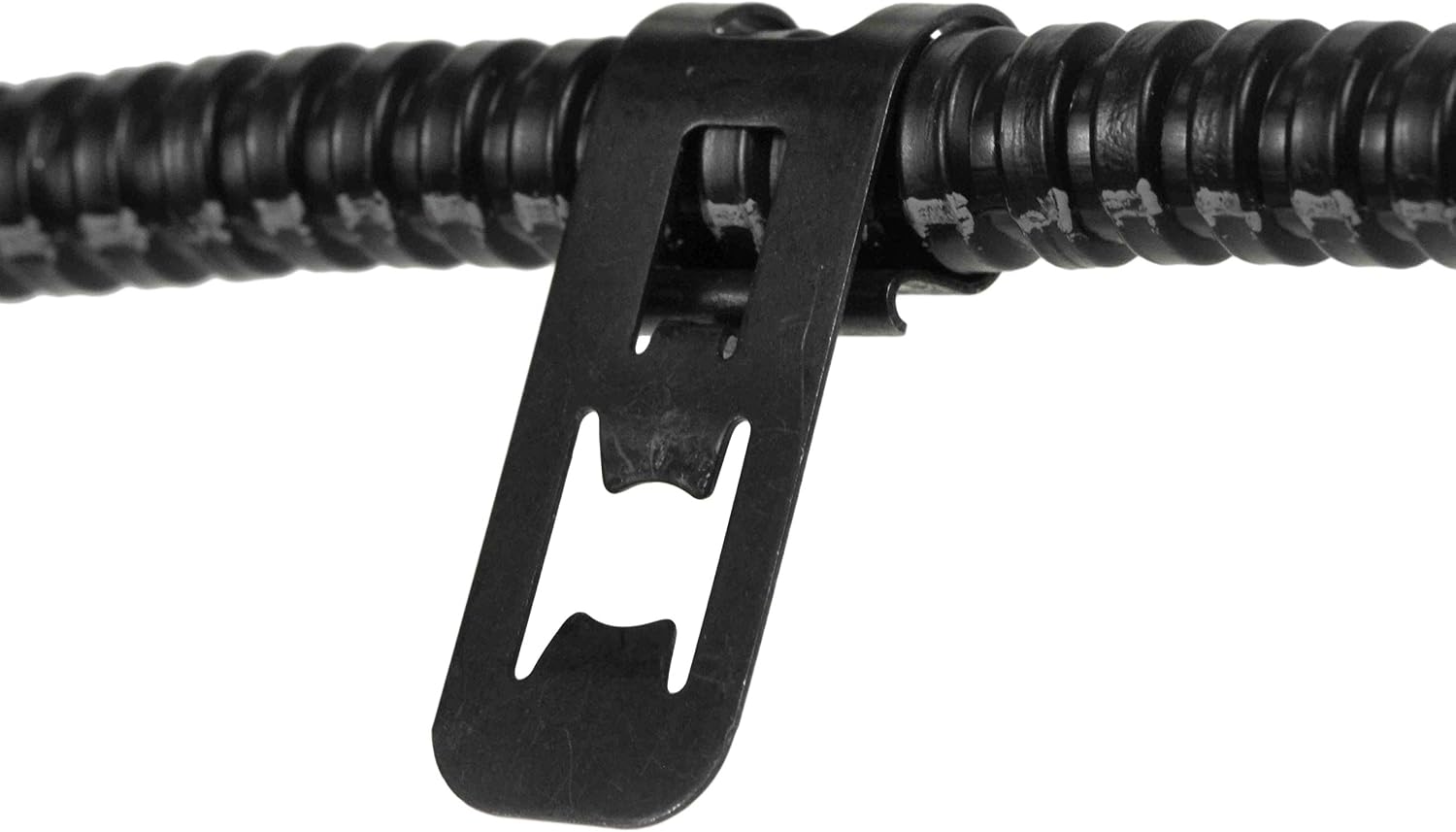
Figure 3.3: Close-up of a cable clip integrated into the wiring harness, used for securing the cable to prevent movement and damage.
4. Operating Principles
The NGK/NTK AU0098 ATS sensor operates automatically as an integral part of your vehicle's transmission system. Once installed and connected, it continuously monitors the rotational speed of the transmission's internal components. This information is converted into either an analog or digital signal and transmitted to the vehicle's ECM/TCM. The control module then uses this precise speed data to:
- Determine the optimal timing for gear shifts, ensuring smooth and efficient power delivery.
- Provide accurate speed readings for the vehicle's speedometer.
- Assist in diagnosing transmission-related issues by detecting abnormal speed variations.
No direct user interaction is required for the operation of this sensor.
5. Maintenance
The NGK/NTK AU0098 Automatic Transmission Speed Sensor is designed for long-term, maintenance-free operation. However, periodic inspection during routine vehicle servicing can help ensure its continued reliability.
Inspection Points:
- Wiring Harness: Check the wiring harness for any signs of fraying, cuts, or damage. Ensure it is securely routed and not exposed to excessive heat or moving parts.
- Electrical Connector: Verify that the electrical connector is firmly seated and free from corrosion, dirt, or moisture.
- Sensor Body: Inspect the thermoplastic body of the sensor for any cracks, physical damage, or signs of fluid leaks around its mounting point.
- Mounting Security: Ensure the sensor is securely mounted and not loose.
If any damage or issues are observed, it is recommended to consult a qualified automotive technician for further diagnosis and potential replacement.
6. Troubleshooting
Issues related to the automatic transmission speed sensor often manifest as drivability problems or warning lights. If you experience any of the following symptoms, it may indicate a problem with the ATS sensor or related transmission components. Professional diagnostic service is highly recommended.
Common Symptoms of a Faulty ATS Sensor:
- Check Engine Light Illumination: The Malfunction Indicator Lamp (MIL) may illuminate on your dashboard. Diagnostic Trouble Codes (DTCs) related to transmission speed sensor circuits will likely be stored in the ECM/TCM.
- Poor or Erratic Shifting: The transmission may exhibit harsh shifts, delayed shifts, or incorrect gear engagement.
- No or Erratic Speedometer Operation: The vehicle's speedometer may not function at all, or it may provide inconsistent or inaccurate readings.
- Transmission in Limp/Fail-Safe Mode: The transmission may enter a protective mode, limiting available gears or engine power to prevent further damage.
- Cruise Control Malfunction: Cruise control may not engage or may disengage unexpectedly.
If these symptoms occur, it is crucial to have your vehicle inspected by a certified technician. They can perform diagnostic scans to confirm the sensor's fault and recommend appropriate repairs or replacement.
7. Specifications
| Attribute | Specification |
|---|---|
| Brand | NTK |
| Model Number | AU0098 |
| Material | Thermoplastic |
| Item Weight | 2.56 ounces (0.16 Pounds) |
| Style | Digital |
| Mounting Type | Flange Mount |
| Specific Uses For Product | Speed, Temperature |
| UPC | 087295742389 |
| Manufacturer | NGK |
| Manufacturer Part Number | AU0098 |
| OEM Part Number | SC635 |
8. Warranty and Support
For information regarding product warranty, returns, or technical support, please refer to the official NTK website or contact your authorized NTK dealer or retailer. Keep your purchase receipt as proof of purchase for any warranty claims.
NTK Customer Service: Please visit the NTK Store on Amazon or the official NTK website for contact details and further assistance.


