
1. Introduction
This manual provides essential information for the proper installation, function, and maintenance of your NTK ID0138 Ignition Knock Sensor. The NTK ID0138 is engineered to meet or exceed original equipment (OE) specifications, ensuring reliable performance for your vehicle's engine management system. Please read this manual thoroughly before installation and operation.
2. Product Overview
The NTK ID0138 is an ignition knock sensor designed to detect engine knocking or pre-ignition. This information is crucial for the engine control unit (ECU) to adjust ignition timing and fuel delivery, preventing potential engine damage and optimizing performance. NTK sensors are manufactured in ISO 14001, TS 16949, and TS 17025-certified facilities, undergoing rigorous testing for vibration, thermal shock, and OBD verification.

Figure 2.1: Main view of the NTK ID0138 Ignition Knock Sensor. This image displays the overall design of the sensor, including its main body and electrical connector.
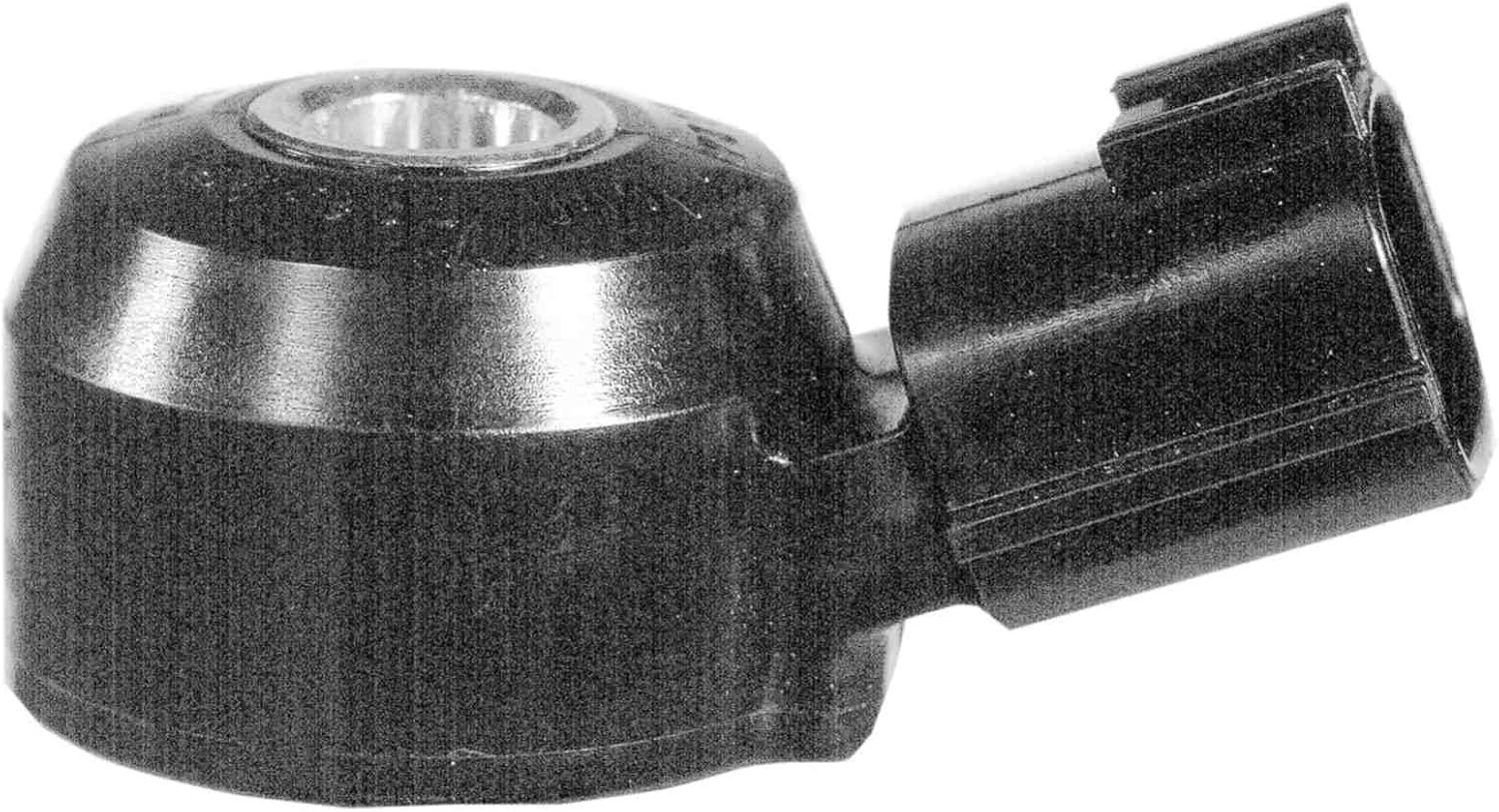
Figure 2.2: Side view of the NTK ID0138 Ignition Knock Sensor. This perspective highlights the sensor's profile and the angle of its integrated connector.
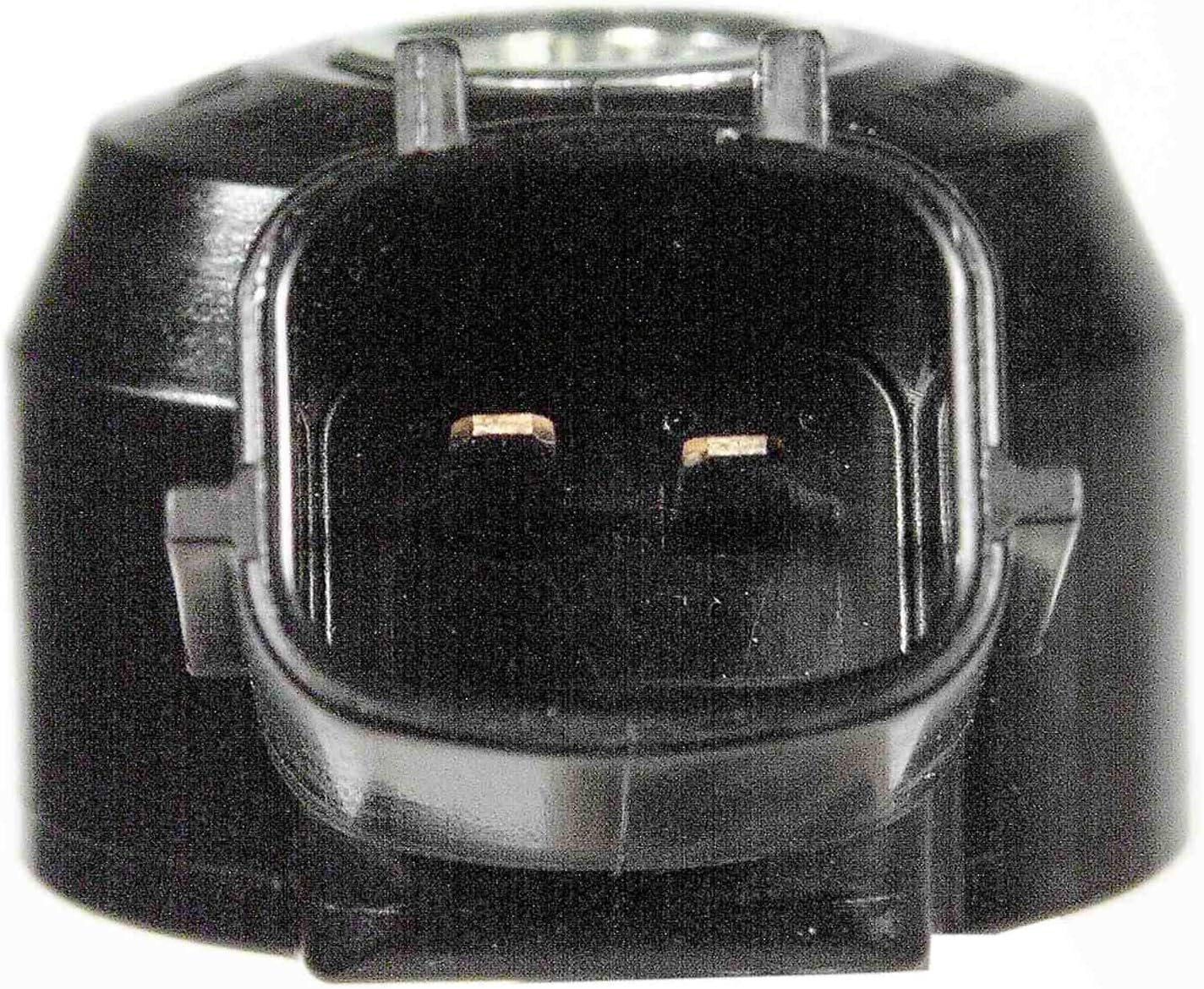
Figure 2.3: Close-up view of the electrical connector on the NTK ID0138 Ignition Knock Sensor. This shows the two-pin terminal design for vehicle wiring harness connection.
3. Specifications
| Feature | Detail |
|---|---|
| Brand | NTK |
| Model Number | ID0138 |
| Item Dimensions (L x W x H) | 1.5 x 1 x 2.63 inches |
| Item Weight | 2.08 ounces |
| Mounting Type | Flange Mount |
| OEM Part Number | KS107 |
| UPC | 087295729175 |
4. Package Contents
The NTK ID0138 Ignition Knock Sensor package includes:
- 1 x NTK ID0138 Ignition Knock Sensor
5. Installation and Setup
The NTK ID0138 Ignition Knock Sensor is designed as a direct OE replacement. Professional installation is recommended. Always refer to your vehicle's specific service manual for detailed instructions and safety precautions.
5.1 Safety Precautions
- Ensure the vehicle's engine is off and cool before beginning any work.
- Disconnect the negative terminal of the vehicle's battery to prevent electrical hazards.
- Wear appropriate personal protective equipment, including gloves and eye protection.
- Use proper tools and follow all torque specifications provided in your vehicle's service manual.
5.2 Installation Steps (General Guidelines)
- Locate the Existing Sensor: Identify the location of the original knock sensor on your vehicle's engine block. This typically requires consulting your vehicle's service manual.
- Disconnect Electrical Connector: Carefully disconnect the electrical connector from the existing knock sensor.
- Remove Old Sensor: Using the appropriate wrench or socket, carefully unbolt and remove the old knock sensor. Note any washers or gaskets for proper reinstallation.
- Inspect Mounting Surface: Clean the mounting surface on the engine block to ensure proper contact and function of the new sensor.
- Install New Sensor: Position the NTK ID0138 sensor and hand-tighten it into place. Ensure proper alignment for the flange mount.
- Torque Sensor: Tighten the sensor to the vehicle manufacturer's specified torque. Overtightening or undertightening can affect sensor performance.
- Reconnect Electrical Connector: Securely connect the vehicle's wiring harness to the new NTK ID0138 sensor.
- Reconnect Battery: Reconnect the negative terminal of the vehicle's battery.
- Test System: Start the vehicle and check for any diagnostic trouble codes (DTCs) related to the knock sensor. Clear any existing codes and perform a test drive to confirm proper operation.
6. Operation
The NTK ID0138 Ignition Knock Sensor operates passively by detecting vibrations within the engine block. These vibrations are converted into electrical signals that are sent to the vehicle's ECU. The ECU interprets these signals to identify engine knocking, which is an abnormal combustion event. Upon detection, the ECU adjusts engine parameters, such as ignition timing, to prevent damage and maintain optimal engine efficiency. The sensor requires no user interaction during normal vehicle operation.
7. Maintenance
The NTK ID0138 Ignition Knock Sensor is a sealed unit and requires no routine maintenance. However, periodic inspection during vehicle service is recommended:
- Visual Inspection: Check the sensor and its wiring for any signs of physical damage, corrosion, or loose connections.
- Wiring Integrity: Ensure the electrical harness connected to the sensor is free from cuts, abrasions, or heat damage.
- Mounting Security: Verify that the sensor remains securely mounted to the engine block.
If any issues are observed, consult a qualified automotive technician.
8. Troubleshooting
If you suspect an issue with your NTK ID0138 Ignition Knock Sensor, consider the following common troubleshooting steps. Always consult a qualified technician for diagnosis and repair.
- Check Engine Light (CEL): A malfunctioning knock sensor can trigger the Check Engine Light and store a diagnostic trouble code (DTC) in the ECU. Use an OBD-II scanner to retrieve codes. Common codes related to knock sensors include P0325 (Knock Sensor 1 Circuit Malfunction).
- Engine Performance Issues: Symptoms of a faulty knock sensor may include reduced engine power, poor fuel economy, or engine hesitation, as the ECU may default to a safer, less efficient ignition timing.
- Wiring and Connector: Inspect the sensor's electrical connector and wiring for damage, corrosion, or loose connections. A poor connection can mimic a faulty sensor.
- Sensor Mounting: Ensure the sensor is securely mounted and torqued to specification. A loose sensor may not accurately detect vibrations.
If these steps do not resolve the issue, further diagnostic testing by a professional is required.
9. Warranty and Support
For specific warranty information regarding your NTK ID0138 Ignition Knock Sensor, please refer to the warranty documentation provided with your purchase or visit the official NTK website. NTK stands by the quality of its products, which are designed and tested to OE quality standards.
For technical support or further assistance, please contact NTK customer service through their official channels. When contacting support, please have your product model number (ID0138) and purchase details readily available.
NTK Official Website: www.ntk.com (This is a placeholder link, please verify the actual NTK website for support.)