
1. Introduction
This manual provides essential information for the proper use and care of your Aexit Single-Sided Prototyping Boards. These boards are designed for building prototypes of electronic circuits, offering a reliable platform for your projects.
Each board measures 8 x 8 cm (3.1 x 3.1 inches) and features standard 0.1-inch industrial quality spacing for component mounting. The single-sided copper PCB is treated for easy soldering and extended shelf life, with referencing numbers printed on both sides for convenient identification of individual holes.
2. Product Features
- Product Name: PCB Board
- Hole Diameter: Approximately 1mm / 0.04"
- Hole Pitch: Approximately 2.54mm / 0.1"
- Board Size: 8 x 8cm / 3.1" x 3.1" (Length x Width)
- Thickness: Approximately 1.5mm / 0.059"
- Color: Blue
- Material: FR-4
- Net Weight: 39g (for the package content)
- Package Content: 2 x Universal PCB Board
- Single-sided copper PCB for easy prototyping.
- Referencing numbers printed on both sides for convenient hole identification.
- Treated surface for improved solderability and extended shelf life.
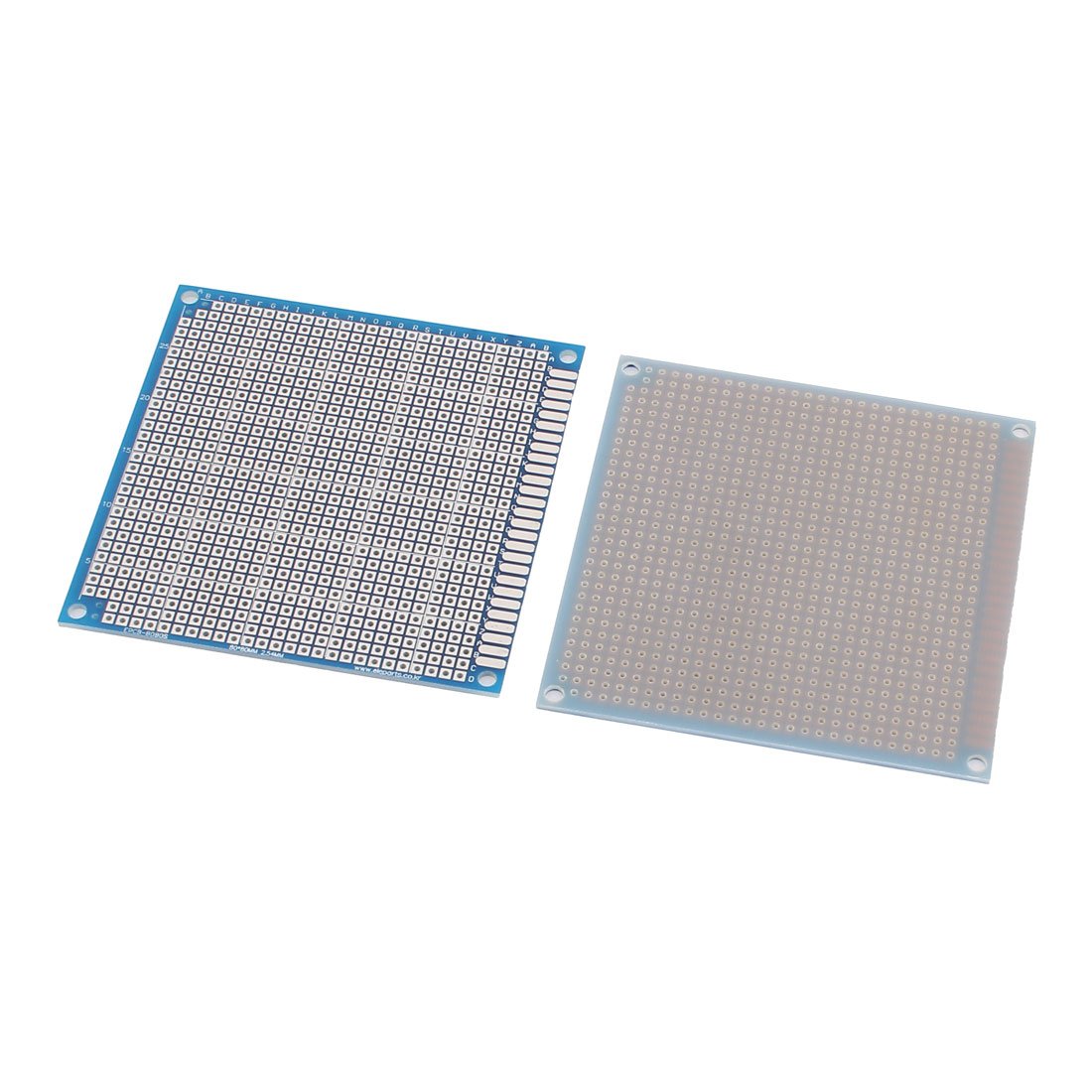
Figure 1: Aexit Single-Sided Prototyping Board (8x8cm).
This image shows the blue FR-4 prototyping board with its grid of holes, designed for mounting electronic components. The board's dimensions are 8x8cm, and it features clear markings for easy component placement.
3. Setup
Before beginning your project, ensure you have all necessary components and tools, including:
- Electronic components (resistors, capacitors, ICs, etc.)
- Soldering iron and solder
- Wire cutters and strippers
- Multimeter for testing
- Safety glasses
Preparation:
- Plan your circuit layout on paper or using a software tool before placing components on the board.
- Identify the desired holes for each component using the printed referencing numbers.
- Ensure your workspace is clean, well-lit, and well-ventilated.
4. Operating Instructions
These prototyping boards are designed for manual assembly of electronic circuits. Follow these general steps:
- Component Placement: Insert component leads into the desired holes on the board. Bend the leads slightly on the solder side to hold the component in place.
- Soldering: Heat the component lead and the copper pad simultaneously with the soldering iron. Apply a small amount of solder to the heated joint, allowing it to flow evenly around the lead and pad. Remove the solder and then the iron.
- Connecting Components: Use jumper wires or solder bridges to connect different points on the board according to your circuit diagram.
- Trimming Leads: After soldering, trim any excess component leads using wire cutters to prevent short circuits.
- Testing: Before applying power, thoroughly inspect all solder joints for bridges or cold joints. Use a multimeter to check for continuity and short circuits.
- Power Application: Once verified, apply power to your circuit. Monitor for proper operation and any signs of malfunction.
Note: Always exercise caution when working with electricity and hot soldering irons.
5. Maintenance
To ensure the longevity and reusability of your prototyping boards:
- Cleaning: After soldering, you may clean the board with isopropyl alcohol and a soft brush to remove flux residue. Ensure the board is completely dry before use.
- Storage: Store unused boards in a dry, dust-free environment, preferably in anti-static bags, to prevent oxidation and contamination.
- Desoldering: When removing components, use a desoldering pump or wick to minimize damage to the board's pads.
6. Troubleshooting
If your circuit does not function as expected, consider the following common issues:
- No Power/Incorrect Function:
- Check all power connections and ensure correct voltage and polarity.
- Verify all components are correctly oriented (e.g., diodes, ICs).
- Inspect for cold solder joints (dull, lumpy appearance) or solder bridges (solder connecting unintended pads).
- Use a multimeter to check for continuity where expected and for shorts where not expected.
- Component Damage:
- Ensure components were not overheated during soldering.
- Verify component values (e.g., resistor color codes, capacitor markings).
- Intermittent Operation:
- Check for loose connections or cracked solder joints.
- Ensure wires are securely connected and not frayed.
7. Specifications
| Feature | Detail |
|---|---|
| Brand Name | Aexit |
| Model Number | modle |
| ASIN | B07F15NFVZ |
| Product Name | PCB Board |
| Hole Diameter | Approx. 1mm / 0.04" |
| Hole Pitch | Approx. 2.54mm / 0.1" |
| Board Size | 8 x 8cm / 3.1" x 3.1" (L*W) |
| Thickness | Approx. 1.5mm / 0.059" |
| Color | Blue |
| Material | FR-4 |
| Net Weight (Package) | 39g |
| Package Content | 2 x Universal PCB Board |
| Date First Available | June 25, 2018 |
8. Warranty and Support
Aexit products are manufactured to high-quality standards. For specific warranty information or technical support, please refer to the retailer's return policy or contact Aexit customer service through their official channels. Keep your purchase receipt for warranty claims.
For further assistance, please visit the Aexit official website or contact your point of purchase.

