
1. Introduction
This manual provides essential information for the safe and efficient operation, maintenance, and troubleshooting of your Briggs & Stratton 875 Professional Series 190cc engine. This genuine Briggs & Stratton engine is designed to deliver reliable power for your equipment. Please read this manual thoroughly before operating the engine to ensure proper use and to prevent injury or damage.
2. Safety Information
Always prioritize safety when operating or maintaining your engine. Failure to follow these instructions could result in serious injury or property damage.
- Fuel Safety: Gasoline is highly flammable. Store fuel in approved containers in a well-ventilated area away from ignition sources. Do not refuel a hot or running engine.
- Carbon Monoxide Hazard: Engine exhaust contains carbon monoxide, a colorless, odorless, poisonous gas. Operate the engine only outdoors in a well-ventilated area. Never operate indoors or in enclosed spaces.
- Hot Surfaces: The engine and muffler become very hot during operation and remain hot for a period after shutdown. Avoid contact to prevent burns.
- Moving Parts: Keep hands, feet, and clothing away from moving parts such as the flywheel, fan, and rotating shaft.
- Eye Protection: Always wear appropriate eye protection when operating or servicing the engine.
- Engine Modifications: Do not modify the engine in any way. Unauthorized modifications can impair safety, performance, and void the warranty.
3. Components and Features
The Briggs & Stratton 875 Professional Series engine is equipped with features designed for ease of use and durability.
- ReadyStart Starting System: Eliminates the need for manual priming or choking, allowing for easy pull starts.
- Overhead Valve (OHV) Design: Contributes to cooler operation and longer engine life.
- Commercial Grade Air Cleaner: Features dual seals for enhanced engine protection and extended service intervals.
- Large Rewind Starter: Designed to reduce pulling effort for easier starting.
- CARB Tier III and EPA Phase 3 Standards Certified: Meets stringent emissions regulations.
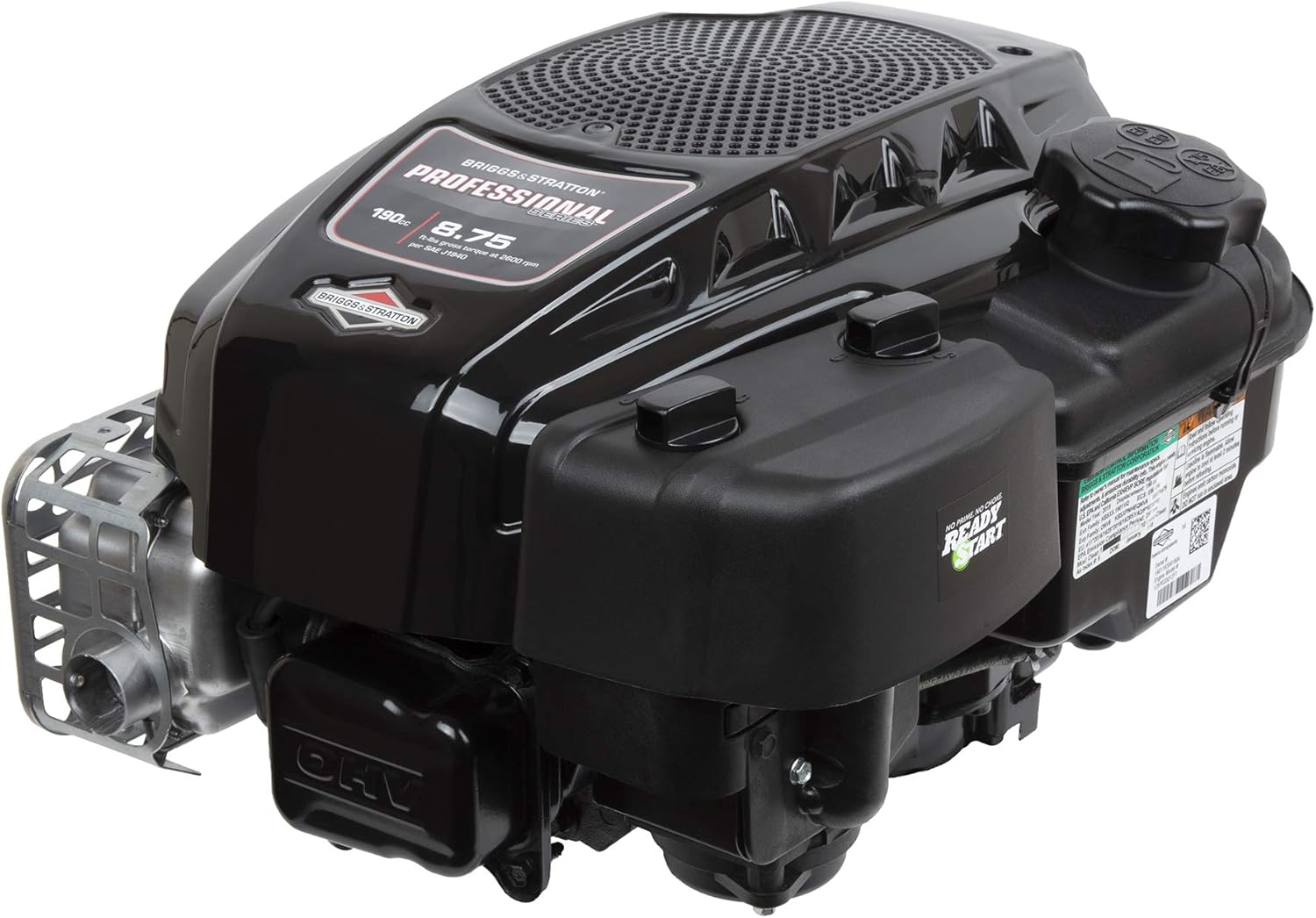
Figure 3.1: Main view of the Briggs & Stratton 875 Professional Series Engine. This image shows the overall design, including the air filter cover and fuel cap.

Figure 3.2: Front view of the engine, highlighting the recoil starter assembly and the Briggs & Stratton branding.
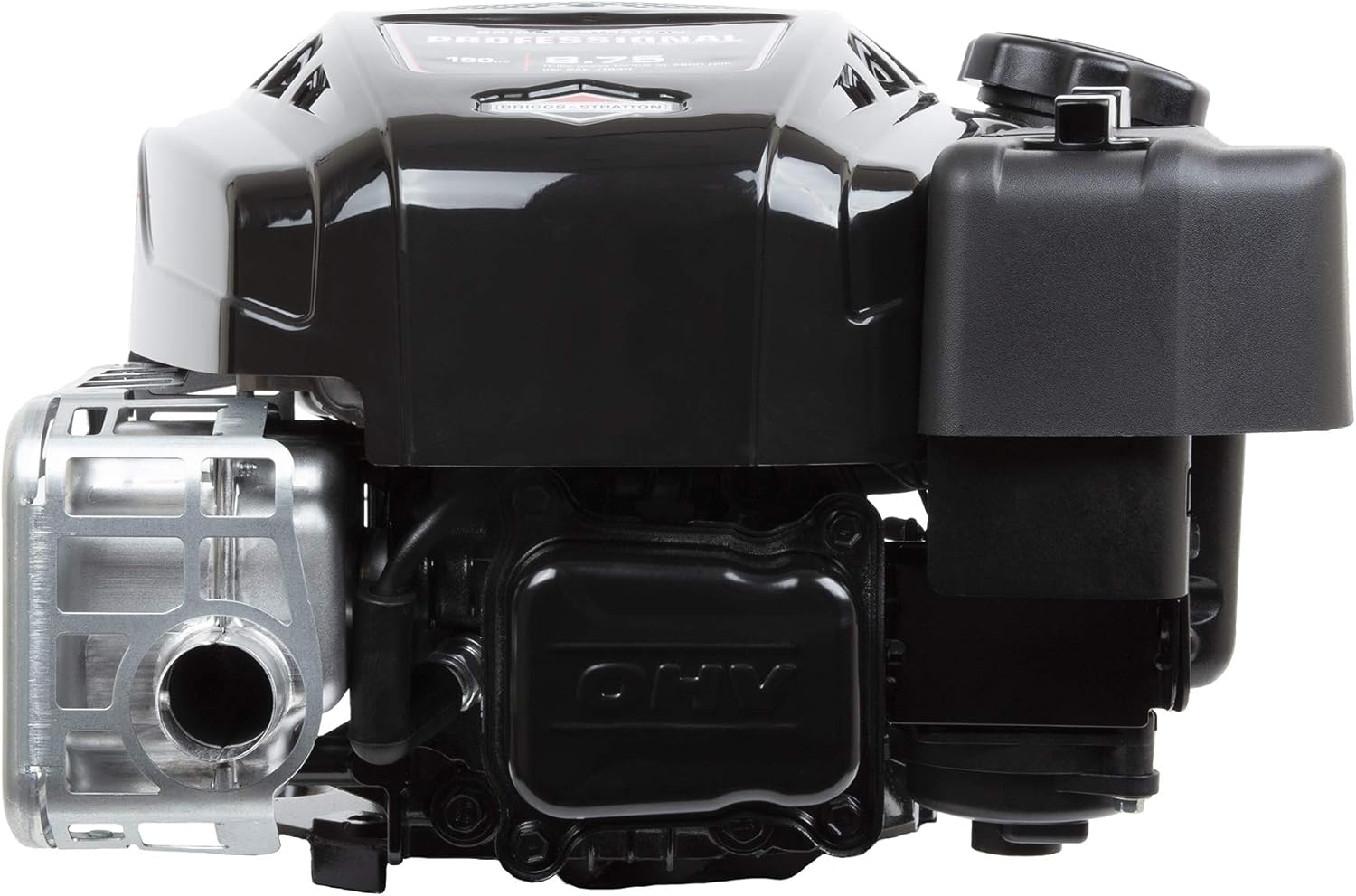
Figure 3.3: Side view of the engine, showing the muffler and the oil fill/dipstick location.
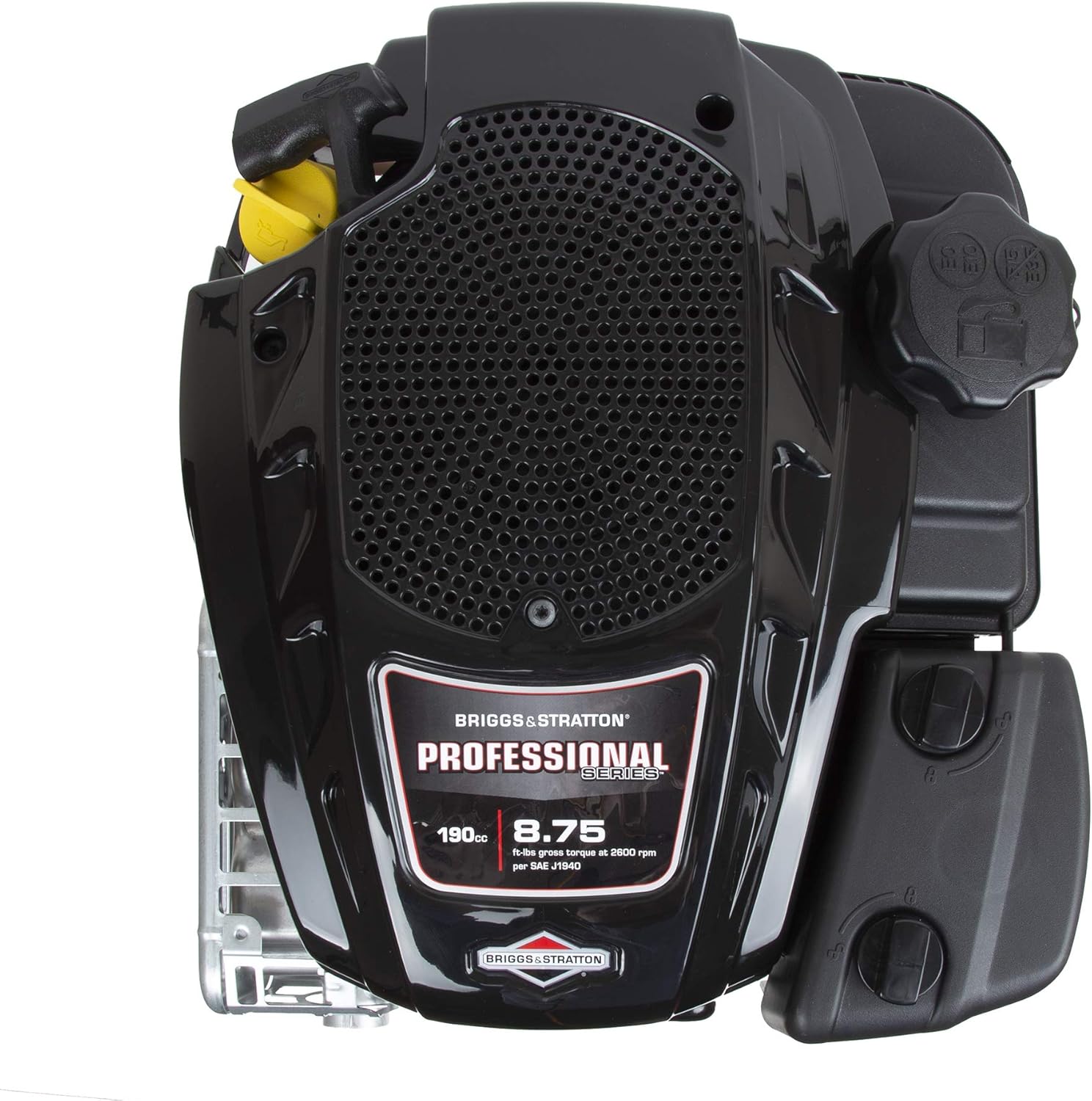
Figure 3.4: Rear view of the engine, providing a different perspective of the engine block and mounting points.
4. Setup
Before operating your new engine, follow these setup procedures carefully.
4.1 Initial Inspection
Unpack the engine and inspect it for any shipping damage. Ensure all components are present and securely fastened.
4.2 Mounting the Engine
Mount the engine securely to your equipment using appropriate hardware. Ensure all mounting bolts are tightened to the manufacturer's specifications. Some applications may require tapping the mounting holes for proper installation.
4.3 Adding Engine Oil
Your engine is shipped without oil. It is critical to add the correct type and amount of oil before the first start.
- Place the engine on a level surface.
- Remove the oil fill cap/dipstick.
- Slowly add 10W-30 synthetic oil (or recommended equivalent) to the engine crankcase until the oil level reaches the FULL mark on the dipstick. Do not overfill. The engine may need to be tilted to facilitate proper oil drainage during filling or draining.
- Replace the oil fill cap/dipstick securely.
4.4 Adding Fuel
Use fresh, clean, unleaded gasoline with an octane rating of 87 or higher. Do not use E85 fuel or gasoline containing more than 10% ethanol.
- Ensure the engine is cool and on a level surface.
- Remove the fuel cap.
- Fill the fuel tank carefully, avoiding spills. Do not fill to the very top; leave space for fuel expansion.
- Replace the fuel cap securely.
5. Operating the Engine
Follow these steps for starting and stopping your Briggs & Stratton engine.
5.1 Starting Procedure (ReadyStart System)
The ReadyStart system simplifies starting by automatically adjusting for temperature, eliminating the need for manual prime or choke.
- Ensure the engine has adequate oil and fuel.
- Make sure the equipment is in a safe operating position.
- Grasp the recoil starter handle firmly.
- Pull the rope slowly until resistance is felt, then pull quickly and smoothly to start the engine. Do not let the rope snap back; guide it gently.
- Repeat if necessary.
5.2 Engine Speed
This engine features a fixed throttle, meaning it operates at a single, optimal speed for most applications. There is no manual throttle control.
5.3 Stopping Procedure
To stop the engine, typically engage the engine stop lever or switch on your equipment. Refer to your equipment's manual for specific instructions.
6. Maintenance
Regular maintenance is crucial for the longevity and optimal performance of your engine. Always refer to the maintenance schedule in your equipment's manual.
6.1 Engine Oil
Check the oil level before each use. Change the engine oil after the first 5 hours of operation, and then every 25-50 hours or annually, whichever comes first. To drain oil, remove the oil fill cap/dipstick and tilt the engine to allow oil to drain from the fill tube. Dispose of used oil responsibly.
6.2 Air Filter
Inspect the air filter regularly, especially in dusty conditions. Clean or replace the air filter as needed. The commercial grade air cleaner with dual seals provides enhanced protection, but routine inspection is still necessary.
6.3 Spark Plug
Inspect the spark plug annually or every 100 hours. Clean or replace if necessary. Ensure the gap is set to the manufacturer's specification.
6.4 Fuel System
If storing the engine for an extended period (over 30 days), drain the fuel tank and carburetor or use a fuel stabilizer to prevent fuel degradation.
6.5 General Cleaning
Keep the engine clean, especially the cooling fins and air intake areas, to prevent overheating. Use a brush or compressed air to remove debris.
7. Troubleshooting
This section addresses common issues you might encounter with your engine.
| Problem | Possible Cause | Solution |
|---|---|---|
| Engine will not start | No fuel Stale fuel Dirty air filter Faulty spark plug | Add fresh fuel Drain and refill with fresh fuel Clean or replace air filter Clean or replace spark plug |
| Engine runs rough | Dirty air filter Stale fuel Incorrect spark plug gap | Clean or replace air filter Drain and refill with fresh fuel Adjust or replace spark plug |
| Engine lacks power | Dirty air filter Low oil level | Clean or replace air filter Check and add oil to proper level |
If problems persist after attempting these solutions, it is recommended to contact a certified Briggs & Stratton service dealer.
8. Specifications
| Specification | Value |
|---|---|
| Engine Type | 875 Professional Series, 190cc, OHV |
| Model Number | 125P02-0012-F1 |
| Product Dimensions | 15 x 13.5 x 10 inches |
| Item Weight | 27.1 pounds |
| Manufacturer | Briggs and Stratton |
9. Warranty and Support
Your Briggs & Stratton 875 Professional Series engine is covered by Briggs & Stratton’s two-year limited consumer warranty. This warranty covers defects in material and workmanship under normal use and service.
For warranty claims, technical support, or to locate an authorized service dealer, please visit the official Briggs & Stratton website or contact their customer service department. Always have your engine model and serial numbers available when seeking support.
Online Resources: www.briggsandstratton.com