
1. Introduction
This manual provides detailed instructions for the safe and effective assembly, operation, and maintenance of your VEVOR 70L (18.5 Gallon) Stainless Steel Alcohol Distiller. Please read all instructions carefully before use to ensure optimal performance and safety.
2. Safety Information
WARNING: Distilling alcohol may be illegal in your jurisdiction. Always comply with local, state, and federal laws and regulations regarding alcohol production. This product is intended for legal uses only, such as water distillation, essential oil extraction, or legal alcohol production where permitted.
- Always operate the distiller in a well-ventilated area to prevent the buildup of flammable vapors.
- Keep flammable materials away from the heat source and the distiller.
- Ensure all connections are secure and leak-free before heating.
- Never leave the distiller unattended during operation.
- Allow the unit to cool completely before disassembling or cleaning.
- Use appropriate personal protective equipment, such as heat-resistant gloves, when handling hot components.
- Keep children and pets away from the operating distiller.
3. Product Overview
The VEVOR 70L (18.5 Gal) Stainless Steel Alcohol Distiller is designed for efficient distillation processes. It features a large capacity boiler, a rectifying tower for impurity filtration, and an efficient condensation system.

Image 1: Complete assembly of the VEVOR 70L Stainless Steel Alcohol Distiller, showcasing the main boiler, rectifying tower, and condenser unit.
4. Unpacking and Parts List
Carefully unpack all components and verify against the list below. Inspect for any damage during transit. If any parts are missing or damaged, contact VEVOR customer support.

Image 2: All included accessories laid out, including the thermometer, circulating pump, hoses, ceramic balls, vinometer kit, and air evacuation valve.
Included Accessories:
- Main Boiler (70L / 18.5 Gal)
- Rectifying Tower
- Condenser Unit
- Thermometer (0-150°C / 32-302°F)
- Water Circulating Pump
- Silicone Hoses
- One-Way Air Evacuation Valve
- Ceramic Balls (for filtration)
- Vinometer Kit (for measuring alcohol content)
- Gauze Bags
- Stainless Steel Steamer Plate
5. Setup and Assembly
Follow these steps to assemble your distiller. Refer to the installation video for visual guidance.
Video 1: Official VEVOR Water Alcohol Distiller Installation Video. This video demonstrates the step-by-step assembly process of the distiller components.
- Prepare the Boiler: Ensure the main boiler is clean. If using for fermentation, place the stainless steel steamer plate at the bottom.
- Attach Rectifying Tower: Securely attach the rectifying tower to the top of the main boiler using the provided clamps and gasket. Ensure a tight seal.
- Insert Ceramic Balls: Place the ceramic balls into the rectifying tower. These balls help filter impurities during distillation.
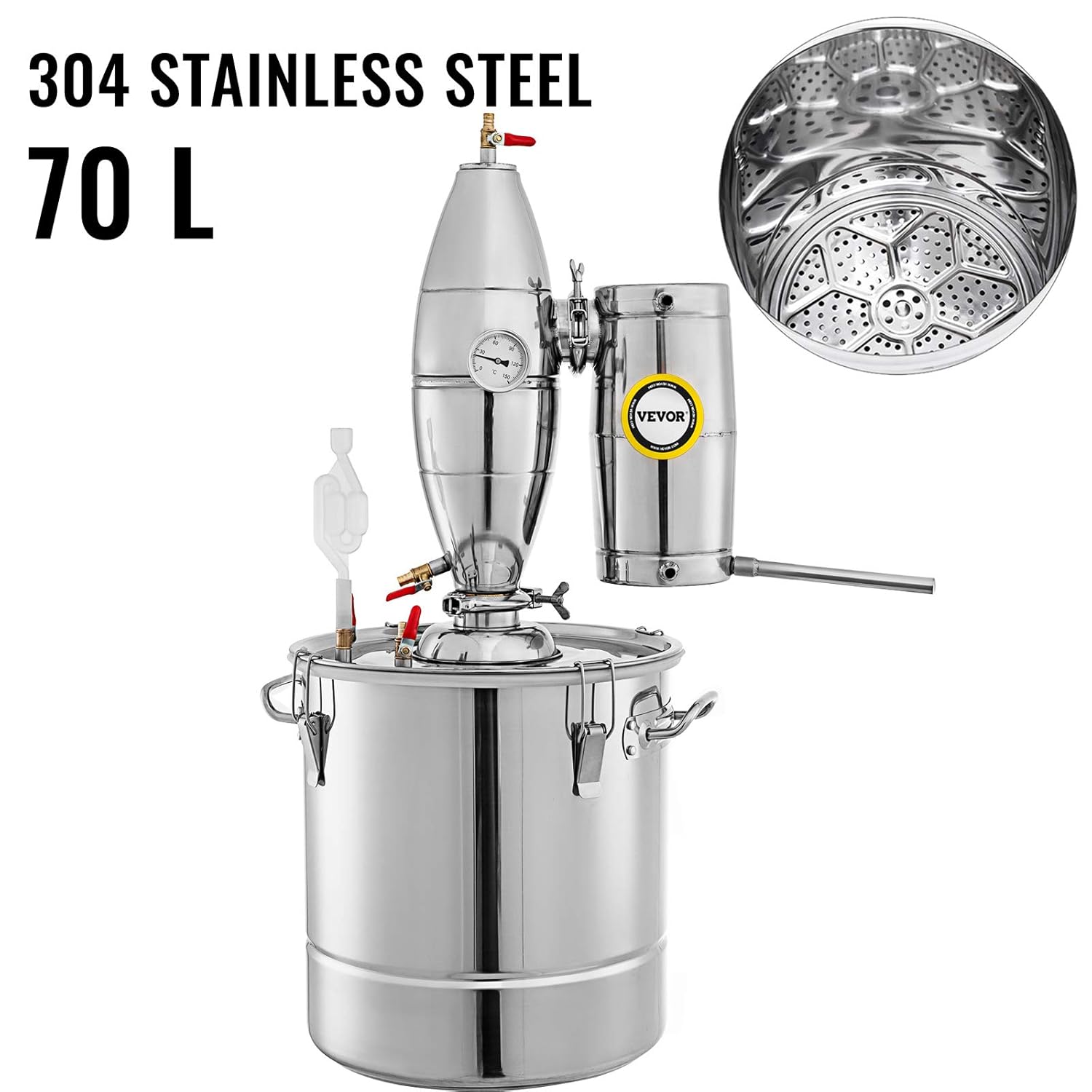
Image 3: Close-up view of the rectifying tower showing the placement of ceramic balls, which are used to adsorb impurities from the vapor.
- Connect Condenser Unit: Attach the condenser unit to the side outlet of the rectifying tower. Ensure all connections are sealed properly.
- Install Thermometer: Insert the thermometer into its designated port on the rectifying tower.
- Set up Cooling System: Connect the silicone hoses to the water circulating pump and the condenser unit. The pump should be placed in a bucket of cold water. One hose feeds cold water into the condenser, and the other returns warm water to the bucket, creating a circulation loop.

Image 4: Diagram showing the path of cooling water through the condenser coils, with inlet and outlet points for efficient cooling.

Image 5: The water circulating pump with its hose, essential for maintaining a continuous flow of coolant through the condenser.
- Install Air Evacuation Valve: If fermenting, install the one-way air evacuation valve on the boiler lid. Fill it with water to about 2/3 capacity to allow gas release while preventing air entry.
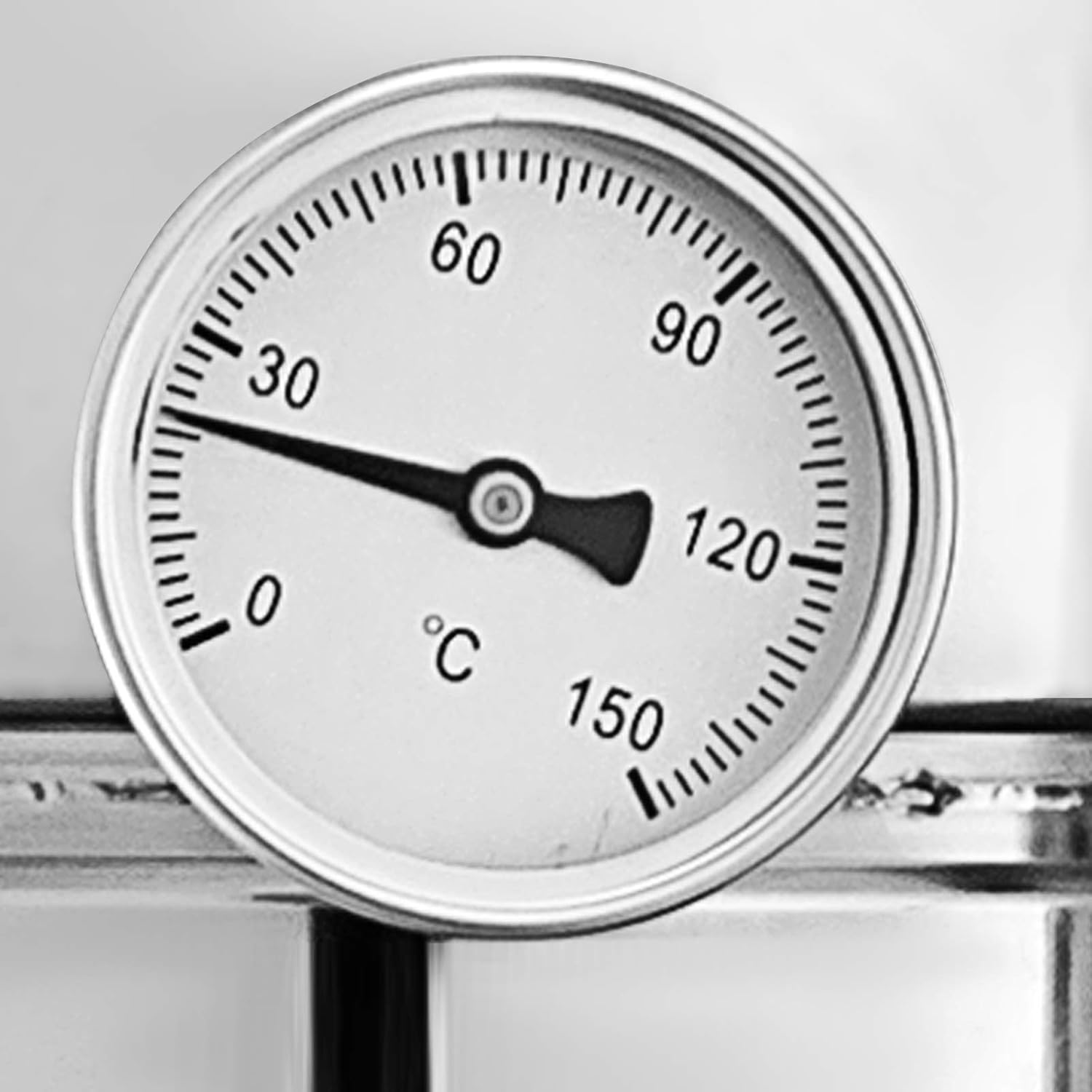
Image 6: The one-way air evacuation valve, used during fermentation, and the vinometer kit for measuring alcohol content.
6. Operating Instructions
6.1. Preparing for Distillation
- Clean the Unit: Before first use, perform a cleaning run. Fill the boiler with a mixture of 50% distilled water and 50% white vinegar. Run the distiller for several hours to clean out any manufacturing residues. Rinse thoroughly with water afterward.
- Load the Boiler: Fill the main boiler with your prepared wash (e.g., fermented grain, fruit mash, or water for distillation). Do not overfill; leave adequate headspace for boiling.
- Secure the Lid: Ensure the lid is properly seated and all clamps are tightened to create a hermetic seal.
6.2. Distillation Process
- Apply Heat: Place the distiller on a suitable heat source (gas stove, electric ceramic cooker, coal stove, or firewood). Begin heating the boiler.
- Monitor Temperature: Observe the thermometer on the rectifying tower. For alcohol distillation, the vapor temperature is critical. Maintain the desired temperature range for your specific process. The thermometer displays in Celsius.

Image 7: A close-up of the thermometer, indicating temperature in Celsius, crucial for monitoring the distillation process.
- Activate Cooling Pump: Once the temperature begins to rise, activate the water circulating pump to ensure a continuous flow of cold water through the condenser. This cools the vapor, causing it to condense into liquid.
- Collect Distillate: The condensed liquid (distillate) will exit the condenser outlet. Collect it in a suitable container.
- Fusel Oil Exclusion (Heads and Tails):
- Heads: The first portion of distillate (typically the first 10 minutes of output) contains high-boiling impurities (fusel oils) and should be discarded or set aside for other uses. Close the upper outlet valve during this phase.
- Hearts: After the initial heads, the main product (hearts) will begin to flow. This is the desired, purer distillate. Open the lower outlet valve to collect this.
- Tails: As distillation progresses, the alcohol content will decrease, and more fusel oils will appear. This final portion (tails) should also be separated.
Image 8: Detailed view of the rectifying tower indicating the points for excluding the first-grade fusel oil (heads) and tail fusel oil, ensuring a purer final product.
- Measure Alcohol Content: Use the included vinometer kit to measure the alcohol content of your distillate.
7. Maintenance and Cleaning
Regular cleaning and maintenance will prolong the life of your distiller and ensure consistent performance.
- After Each Use: Allow the distiller to cool completely. Disassemble all components and wash them thoroughly with warm, soapy water. Rinse well to remove all soap residue.
- Deep Cleaning: Periodically, perform a cleaning run with a vinegar and water solution (as described in Section 6.1) to remove any mineral deposits or stubborn residues.
- Storage: Ensure all parts are completely dry before storing to prevent rust or mildew. Store in a clean, dry place.
8. Troubleshooting
Here are some common issues and their solutions:
| Problem | Possible Cause | Solution |
|---|---|---|
| Leaking connections | Loose clamps, damaged gasket, improper assembly. | Tighten clamps, inspect and replace gaskets if damaged, reassemble carefully. Apply PTFE tape to threaded connections if necessary. |
| Low distillate output | Insufficient heat, inadequate cooling, blockages. | Increase heat, ensure cooling water is cold and circulating efficiently, check for blockages in vapor path or condenser. |
| Distillate tastes off | Improper cleaning, not separating heads/tails, contaminated wash. | Perform a thorough cleaning run. Ensure proper separation of heads and tails. Use clean, quality ingredients for your wash. |
| Thermometer not reading correctly | Improper installation, faulty thermometer. | Ensure thermometer is fully inserted. If issues persist, replace the thermometer. |
9. Specifications
- Model: Water Alcohol Distiller
- Capacity: 70 Liters (18.5 Gallons)
- Material: 304 Food-Grade Stainless Steel
- Product Dimensions: Approximately 20 x 20 x 20 inches (50.8 x 50.8 x 50.8 cm)
- Item Weight: 25.9 pounds (11.75 kg)
- Heating Methods: Compatible with Gas Stove, Electric Ceramic Cooker, Coal Stove, Firewood

Image 9: Visual representation of the distiller's dimensions, showing its height and width.
10. Warranty and Support
For warranty information, technical support, or to purchase replacement parts, please contact VEVOR customer service through their official website or the retailer where the product was purchased. Keep your purchase receipt as proof of purchase.


