
1. Product Overview
This manual provides essential information for the safe and effective use of MS Finechem Sodium Chloride, ACS Grade. This product consists of 99% high purity sodium chloride crystals, suitable for various laboratory, analytical, and research applications where high purity is required.
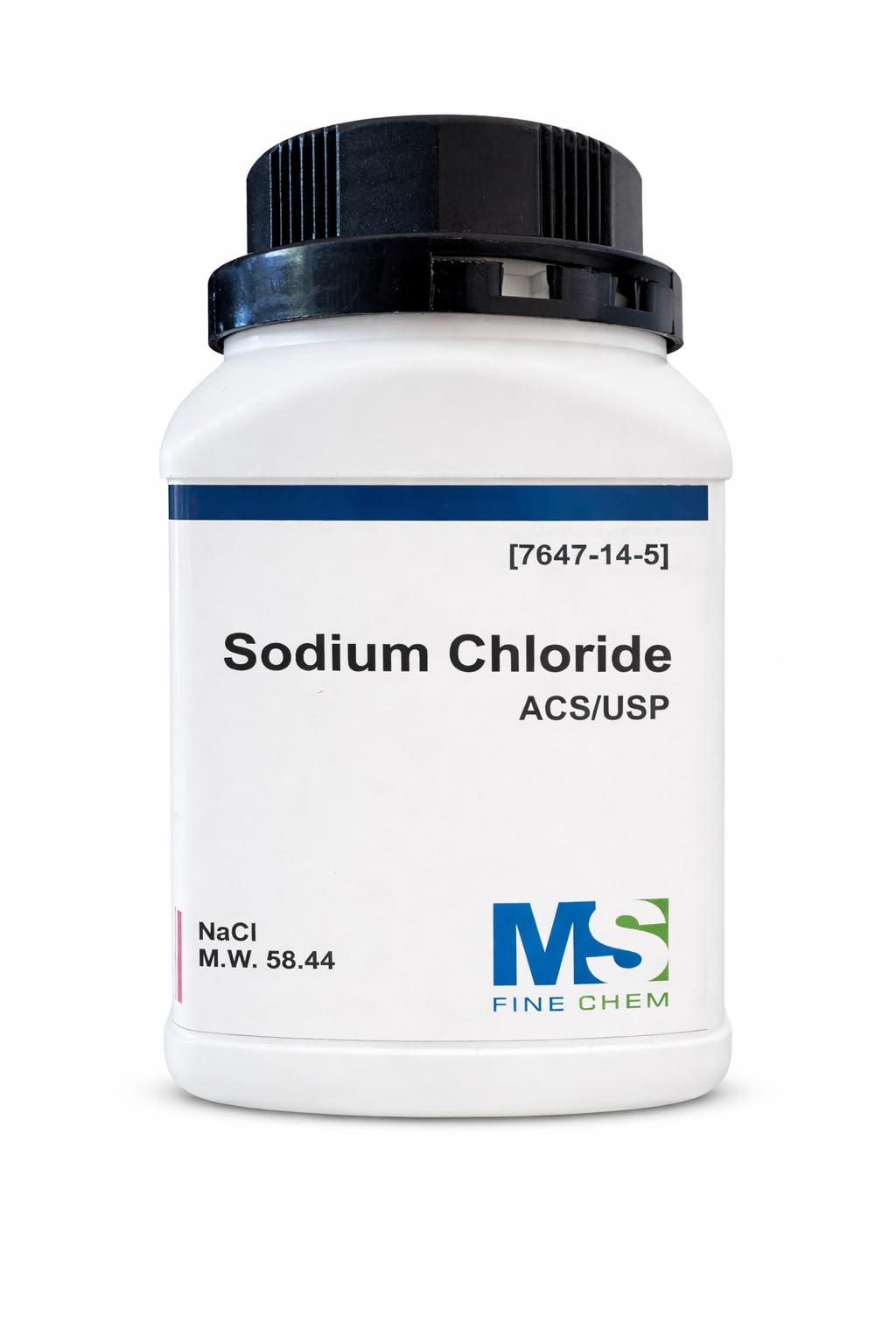
Image 1.1: MS Finechem Sodium Chloride ACS Grade in its original bottle packaging.
2. Safety Information
Always handle chemical reagents with care. Adherence to safety protocols is crucial to prevent accidents and ensure proper usage.
2.1 General Precautions
- Wear appropriate Personal Protective Equipment (PPE), including safety glasses, gloves, and a lab coat, when handling the product.
- Avoid direct contact with skin, eyes, and clothing.
- Do not ingest or inhale the product. Use in a well-ventilated area or under a fume hood if dust generation is possible.
- Keep the container tightly closed when not in use to prevent contamination and moisture absorption.
2.2 Emergency Procedures
- Eye Contact: Immediately flush eyes with plenty of water for at least 15 minutes, occasionally lifting the upper and lower eyelids. Seek medical attention.
- Skin Contact: Wash off with soap and plenty of water. Remove contaminated clothing and shoes. Seek medical attention if irritation develops.
- Inhalation: Remove to fresh air. If not breathing, give artificial respiration. If breathing is difficult, give oxygen. Seek medical attention.
- Ingestion: Do NOT induce vomiting. Wash mouth with water. Never give anything by mouth to an unconscious person. Seek medical attention immediately.
For detailed safety information, refer to the product's Safety Data Sheet (SDS). A generic SDS for Sodium Chloride can be found through chemical suppliers or regulatory bodies.
3. Setup and Preparation
Before using the Sodium Chloride, ensure your workspace is properly prepared.
- Workspace: Set up a clean, dry, and stable workspace. Ensure adequate ventilation.
- Equipment: Gather necessary equipment such as a clean spatula, weighing scale, appropriate glassware (beakers, volumetric flasks), and deionized or distilled water.
- Container Inspection: Before opening, inspect the product container for any signs of damage or tampering.
- Opening: Carefully open the container, ensuring no spillage.
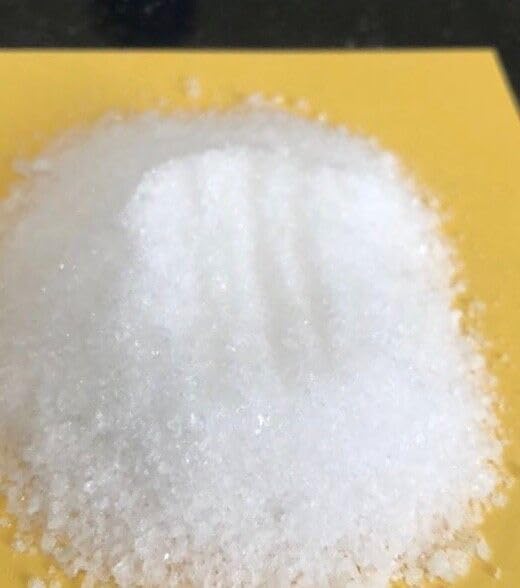
Image 3.1: Close-up view of MS Finechem Sodium Chloride crystals.
4. Operating Instructions
MS Finechem Sodium Chloride ACS Grade is suitable for a variety of laboratory applications.
4.1 Measuring and Weighing
- Using a clean, dry spatula, carefully transfer the desired amount of sodium chloride to a weighing boat or appropriate container on a calibrated analytical balance.
- Ensure accurate measurement for precise experimental results.
4.2 Dissolution
- Sodium chloride is highly soluble in water. Add the measured crystals to the appropriate volume of deionized or distilled water.
- Stir the solution until the crystals are completely dissolved. Gentle heating may accelerate dissolution if necessary, but typically is not required for sodium chloride.
4.3 Typical Applications
- Analytical Reagent: Used as a primary standard or reagent in various chemical analyses.
- Buffer Preparation: Component in many buffer solutions to maintain ionic strength.
- Biological Research: Used in cell culture media, physiological saline solutions, and molecular biology protocols.
- Electrolyte Solutions: Can be used as a component in preparing custom electrolyte solutions for specific research or industrial purposes.
5. Maintenance and Storage
Proper storage is essential to maintain the purity and integrity of the sodium chloride.
- Storage Conditions: Store in a cool, dry place, away from direct sunlight and incompatible materials.
- Container Sealing: Always ensure the container is tightly sealed after each use to prevent moisture absorption, which can lead to clumping.
- Labeling: Keep the original label intact for product identification and safety information.
- Shelf Life: When stored correctly, the product maintains its purity for an extended period. Refer to the product label for specific expiry dates if provided.
6. Troubleshooting
Common issues encountered with sodium chloride and their solutions.
6.1 Clumping of Crystals
- Issue: The sodium chloride crystals have formed clumps and become hard.
- Cause: Sodium chloride is hygroscopic, meaning it absorbs moisture from the air. This absorption causes the crystals to stick together and harden.
- Solution: Carefully break up the clumps using a clean, dry spatula or pestle and mortar if necessary. Ensure the container is always tightly sealed immediately after use and stored in a low-humidity environment. While clumping indicates moisture absorption, it generally does not affect the chemical purity for most applications, especially if the product is subsequently dissolved.
6.2 Incomplete Dissolution
- Issue: Sodium chloride crystals do not fully dissolve in the solvent.
- Cause: Insufficient stirring, low solvent temperature, or exceeding the solubility limit for the given solvent volume.
- Solution: Ensure thorough stirring. If using water, consider gently warming the water (do not boil) to increase solubility. Verify that the amount of sodium chloride used does not exceed its solubility limit in the chosen solvent volume.
7. Specifications
Detailed specifications for MS Finechem Sodium Chloride ACS Grade.
| Property | Value |
|---|---|
| Brand | MS Finechem |
| Product Grade | ACS |
| Purity (% Assay) | Min. 99% |
| Form | Crystals |
| Net Weight | 500 Grams (1.1 lb) |
| pH (5% aq. solution) | 5.0 - 9.0 |
| Container Type | Bottle |
| Model Number | 76945 |
| Manufacturer | VPC |
7.1 Maximum Limits of Impurities

Image 7.1: Detailed specification sheet outlining maximum impurity limits.
- Water Insoluble matter: 0.003%
- Sulphate (SO4): 0.001%
- Phosphate (PO4): 0.0005%
- Iron (Fe): 0.0002%
- Heavy Metals (Pb): 0.0002%
- Copper (Cu): 0.0002%
- Bromide (Br): 0.005%
- Iodide (I): 0.001%
- Nitrogen Compounds (N): 0.0005%
- Ferrocyanide (Fe(CN)6)4: 0.0001%
- Potassium (K): 0.005%
- Magnesium (Mg): 0.001%
- Calcium (Ca): 0.002%
- Barium (Ba): Passes test
- Chlorate and Nitrate (NO3): 0.003%
- Aluminum (Al): 0.00002%
- Arsenic (As): 0.0001%

Image 7.2: MS Finechem certifications for quality and standards.
8. Warranty and Support
MS Finechem products are manufactured under strict quality control standards. For any questions regarding product quality, usage, or technical support, please contact MS Finechem directly through their official website or customer service channels.
Please retain your purchase receipt for any inquiries.