
Introduction
This manual provides essential instructions for the setup, operation, maintenance, and troubleshooting of your Vangoa 4/4 Full Size Violin Set. Please read this guide thoroughly to ensure proper use and care of your instrument.
Package Contents
Your Vangoa Violin 4/4 Full Size Set includes the following items:
- Vangoa 4/4 Full Size Violin
- Bow
- Lightweight Hard Case
- Tuner
- Rosin
- Cleaning Cloth
- Spare Strings
- Bridge (detached)
- Fingerboard Stickers
- Shoulder Rest

Figure 1: All accessories included in the Vangoa Violin 4/4 Full Size Set.
Setup
1. Installing the Bridge
The bridge is typically shipped detached to prevent damage during transit. It must be correctly positioned before tuning. The taller side of the bridge should be under the E string, and the shorter side under the G string. Ensure the feet of the bridge align with the inner notches of the f-holes.
Caution: The strings will be loose during this process. Apply gentle, even pressure to the bridge while tightening the strings to keep it upright. If you are unsure, consult a professional or refer to online video tutorials for visual guidance.

Figure 2: Proper placement of the maple bridge and fine tuners.
2. Applying Rosin to the Bow
Before playing, the bow hair must be rosined. New bows require a significant amount of rosin. Hold the rosin cake firmly and rub the bow hair across it from frog to tip, applying light pressure. Repeat this process 10-20 times for a new bow. You should see a fine white powder on the bow hair. For subsequent uses, 3-5 strokes are usually sufficient.

Figure 3: Step-by-step guide for rosining the bow.
3. Tuning the Violin
Your violin is equipped with metal tuning pegs for precise adjustments and four fine tuners on the tailpiece for minor pitch corrections. Use the included electronic tuner for accuracy.
- Attach the electronic tuner to the headstock of the violin.
- Pluck each string individually (G, D, A, E).
- For large pitch adjustments, gently push in and turn the corresponding tuning peg. Turn slowly to avoid over-tightening and breaking the string.
- For fine adjustments, use the fine tuners on the tailpiece. Turn clockwise to raise the pitch and counter-clockwise to lower it.
- New strings may stretch and require frequent tuning initially.

Figure 4: Detail of the precision metal tuning pegs for stable tuning.
4. Attaching the Shoulder Rest
The shoulder rest provides comfort and proper positioning of the violin. Attach it to the back of the violin, ensuring it securely grips the lower bouts without touching the top plate. Adjust the height and angle for a comfortable playing posture.
5. Applying Fingerboard Stickers (Optional)
For beginners, the included fingerboard stickers can be applied to mark finger positions, aiding in learning intonation. Follow the instructions provided with the stickers for correct placement.
Operating the Violin
1. Holding the Violin and Bow
Proper posture is crucial for playing. Hold the violin between your left shoulder and jaw, supported by the shoulder rest. Hold the bow with your right hand, ensuring a relaxed grip. Consult a violin instructor or instructional resources for detailed guidance on posture and bowing techniques.

Figure 5: Example of a player holding the violin.
2. Producing Sound
Draw the rosined bow across the strings with consistent speed and pressure. Experiment with different bowing positions (closer to the bridge for a brighter sound, closer to the fingerboard for a softer sound) and pressure to produce various tones. The handcrafted spruce top and maple back/sides are designed to deliver warm, resonant tones.
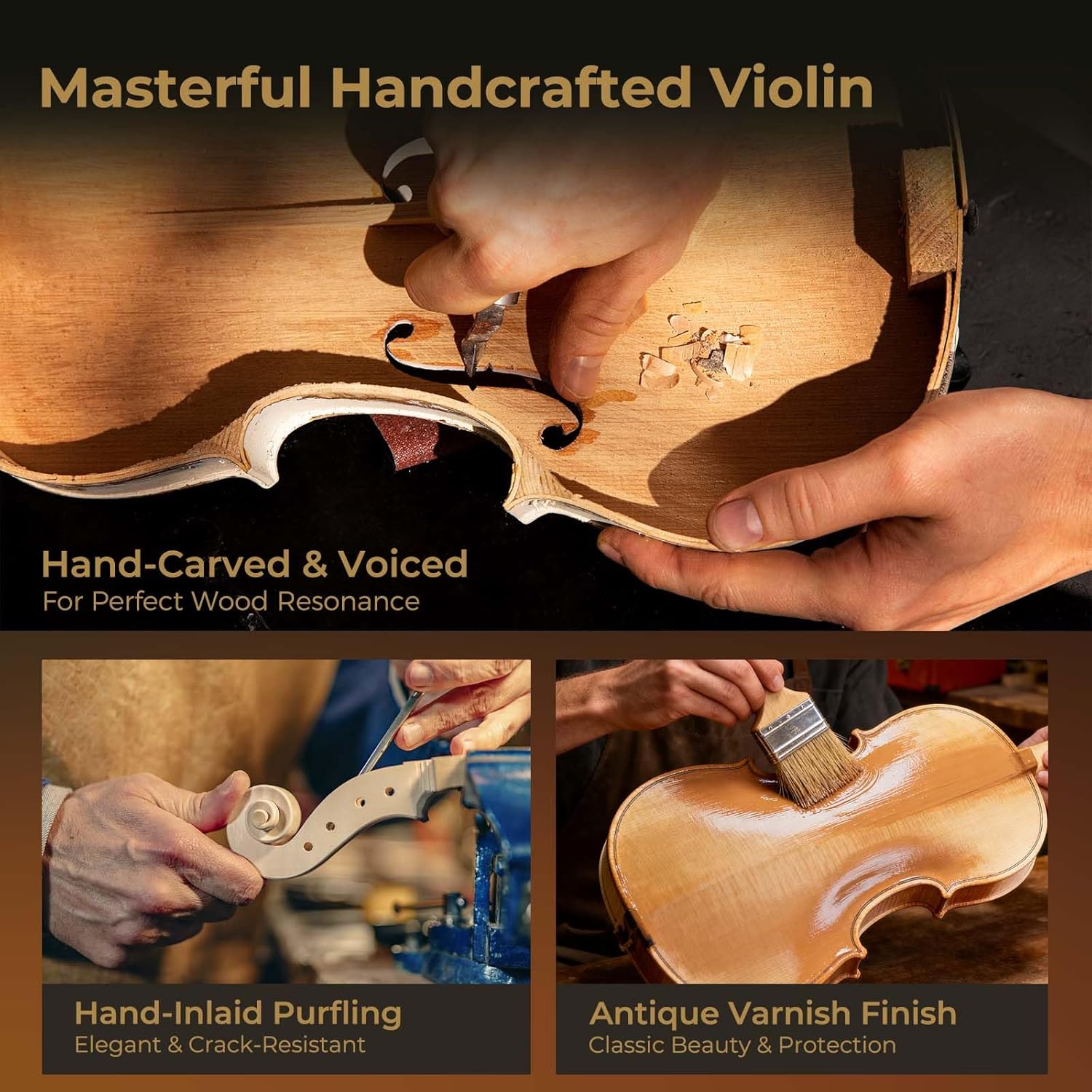
Figure 6: Hand-carved construction contributes to the violin's tone.
3. Finger Placement
Use your left-hand fingers to press down on the strings against the fingerboard to change pitch. The solid ebony fingerboard provides a smooth surface for playability. If using fingerboard stickers, align your fingers with the markings.
4. Video Demonstrations
Video 1: A demonstration of the Vangoa violin's sound and appearance. This video showcases the instrument in use.
Video 2: A performance demonstrating the sound quality of the Vangoa solid wood violin.
Video 3: An unboxing and sound test of the Vangoa 4/4 violin, providing an overview of the instrument and its initial sound.
Maintenance
1. Cleaning
After each use, wipe down the violin body, strings, and bow stick with the included cleaning cloth to remove rosin dust and oils. This prevents buildup and preserves the instrument's finish.
2. String Care and Replacement
Strings can wear out over time, affecting tone and playability. Replace strings as needed using the included spare set or new strings of your choice. When replacing strings, change them one at a time to maintain bridge and soundpost stability.
3. Bow Hair Care
Avoid touching the bow hair with your fingers, as oils can prevent rosin from adhering. If the bow hair becomes excessively dirty or loses its ability to hold rosin, it may need re-hairing by a professional.
4. Storage
Always store your violin in its lightweight hard case when not in use. This protects it from dust, humidity changes, and physical damage. Avoid exposing the violin to extreme temperatures or humidity.
Troubleshooting
- Difficulty Tuning / Violin Goes Out of Tune Easily: New strings require time to stretch and settle. Tune frequently during the first few days of use. Ensure tuning pegs are pushed firmly into the pegbox while turning to prevent slipping. If the issue persists, check if the bridge is correctly seated and if the strings are properly wound on the pegs.
- Poor Sound Quality / No Sound: Ensure the bow hair is adequately rosined. Check if the bridge is upright and correctly positioned. Verify that the soundpost inside the violin is standing upright; if it has fallen, professional repair is required.
- Rosin Quality: The included rosin is functional for beginners. If you experience difficulty getting sufficient grip or desire improved bow response, consider purchasing a higher-quality rosin.
- Broken Bridge or Soundpost: If the bridge breaks or the soundpost falls, it is recommended to seek assistance from a qualified violin luthier for repair or replacement. Attempting to fix these without proper knowledge can cause further damage.
Specifications
| Feature | Detail |
|---|---|
| Brand | Vangoa |
| Size | 4/4 (Full Size) |
| Color | Gradient Brown |
| Item Dimensions (L x W x H) | 31.89 x 11.81 x 5.51 inches |
| Top Material Type | Spruce |
| Back Material Type | Basswood |
| Body Material Type | Spruce, Maple |
| String Material Type | Alloy Steel |
| Number of Strings | 4 |
| Model Number | VAN-1 |
| Manufacturer Part Number | C3000083 |
Violin Sizing Guide
Choosing the correct violin size is important for comfortable playing and proper technique development. Refer to the guide below:

Figure 8: Violin sizing guide based on arm length and age.
| Size | Age | Child's Height | Arm Length (Neck to Wrist) |
|---|---|---|---|
| 1/4 | 4-7 | 3'9" to 4'1" | 18-20" |
| 1/2 | 6-10 | 4'2" to 4'4" | 20-22" |
| 3/4 | 9-11 | 4'5" to 4'9" | 22-23" |
| 4/4 | 12+ | 5' and taller | 23"+ |
Warranty and Support
For specific warranty information regarding your Vangoa Violin, please refer to the documentation included with your purchase or visit the official Vangoa website. Protection plans may be available for extended coverage.
For technical support, replacement parts, or further assistance, please contact Vangoa customer service through their official channels.
