
1. Introduction
The VTSYIQI GY-3 Fruit Hardness Tester is a portable instrument designed to measure the ripeness and firmness of various fruits, including apples, pears, strawberries, and grapes. It is suitable for use by fruit companies, farms, research institutions, and educational facilities to assess fruit maturity for breeding, storage, export, transport, and processing. Its compact size and clear analog display make it convenient for field use, and it can also be integrated with a test stand for enhanced accuracy.
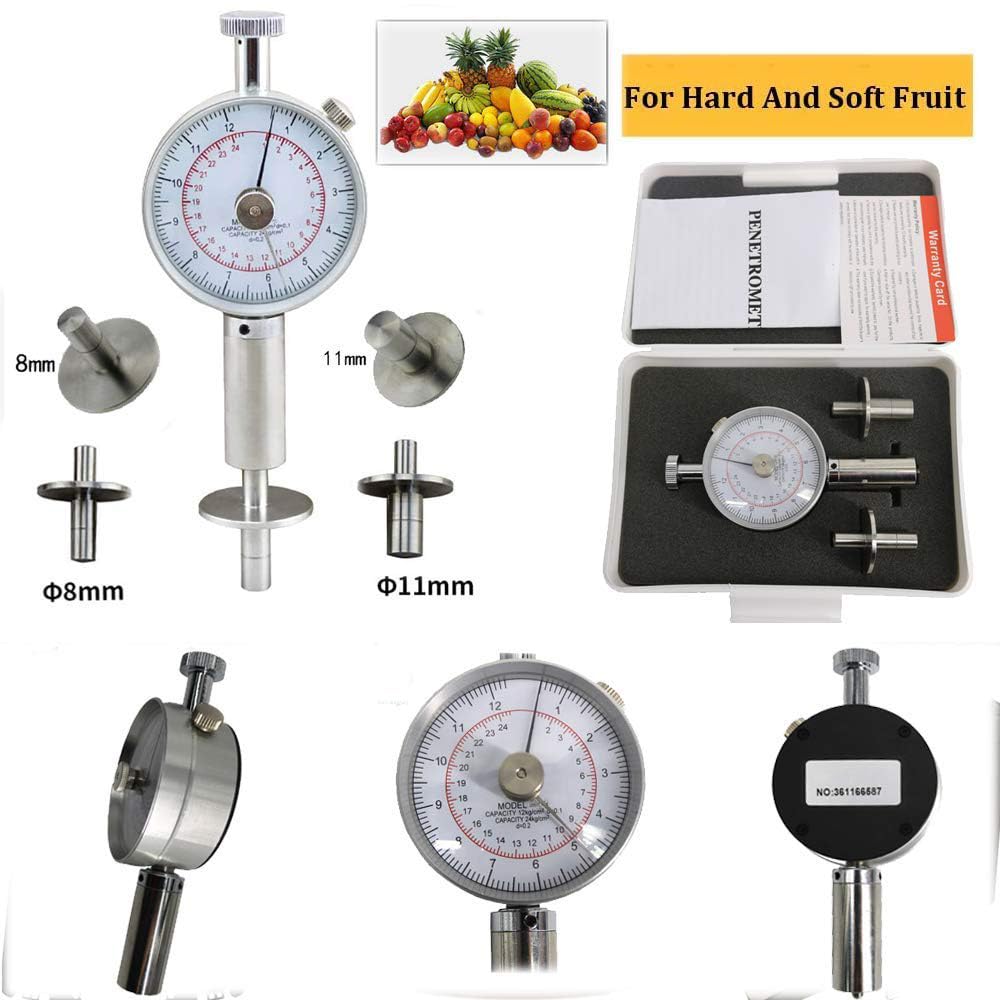
Figure 1: VTSYIQI GY-3 Fruit Hardness Tester with its components.
2. Product Components
The GY-3 Fruit Hardness Tester typically includes the following components:
- Main Unit: The core device featuring an analog dial, driving pointer, indicating pointer, zero adjustment knob, and retention knob.
- Small Indenter (Φ8mm): Used for measuring softer fruits or for a lower hardness range (0.5-12 kg/cm²).
- Large Indenter (Φ11mm): Used for measuring harder fruits or for a higher hardness range (1-24 kg/cm²).
- Protective Case: For safe storage and transport of the instrument and its accessories.
- Instruction Manual: Provides detailed guidance on operation and maintenance.
- Warranty Card: Contains warranty information and terms.

Figure 2: The two interchangeable pressure heads (indenters) with their respective diameters.
3. Setup
Before using the fruit hardness tester, ensure it is properly assembled and calibrated.
- Unpacking: Carefully remove the fruit hardness tester and its accessories from the protective case.
- Indenter Selection: Choose the appropriate indenter (Φ8mm or Φ11mm) based on the type of fruit and expected hardness range. The Φ8mm indenter is generally for softer fruits and lower hardness values, while the Φ11mm indenter is for harder fruits and higher hardness values.
- Attaching the Indenter: Screw the selected indenter firmly into the bottom of the main unit. Ensure it is securely attached to prevent inaccurate readings.
- Zero Adjustment: Before each measurement session, rotate the zero adjustment knob to align the driving pointer with the initial scale line (0.5 kg/cm² or 1 kg/cm² depending on the scale used).
Video 1: Unboxing and initial setup of the VTSYIQI GY-3 Fruit Hardness Tester, showing the components and how to prepare the device for use.
4. Operating Instructions
Follow these steps for accurate fruit hardness measurement:
- Prepare the Fruit: Peel off a small area (approximately 1 square centimeter) of the fruit skin at the point where the measurement will be taken. This ensures the indenter measures the fruit flesh directly.
- Position the Tester: Hold the hardness tester firmly in your hand. Position the indenter perpendicular to the peeled surface of the fruit.
- Apply Pressure: Press the indenter evenly and steadily into the fruit. As the indenter penetrates, the driving pointer will move, pushing the indicating pointer.
- Read the Measurement: Continue pressing until the indenter reaches the 10 mm scale line (the full stroke). At this point, the driving pointer will stop. The reading indicated by the indicating pointer on the dial is the hardness of the fruit.
- Repeat for Accuracy: For reliable results, take at least three measurements at different points on the same fruit and calculate the average value.
- Reset the Pointer: After each measurement, rotate the zero return knob to reset the indicating pointer to its initial scale line (0.5 or 1 kg/cm²) before taking the next measurement.

Figure 3: Demonstrating the proper technique for measuring fruit hardness with the GY-3 tester.
Video 2: A demonstration of the fruit hardness tester in operation, showing how to take a measurement on a fruit.
Reading the Scale
The GY-3 tester features two concentric scales for different indenter sizes:
- When using the small indenter (Φ8mm), read the value from the inner circle scale.
- When using the large indenter (Φ11mm), read the value from the outer circle scale.

Figure 4: The tester's dial with inner and outer scales for different indenter sizes.
Video 3: A detailed view of the hardness tester's display and how to read the measurement.
5. Maintenance
Proper maintenance ensures the longevity and accuracy of your GY-3 Fruit Hardness Tester.
- Cleaning: After each use, wipe the indenter and the main unit with a soft, dry cloth to remove any fruit residue. Do not use abrasive cleaners or solvents.
- Storage: Store the instrument in its protective case in a clean, dry environment, away from direct sunlight, extreme temperatures, and high humidity.
- Handling: Handle the tester with care. Avoid dropping it or subjecting it to strong impacts, as this can affect its calibration and internal mechanisms.
- Calibration: Regular calibration by a qualified technician is recommended to maintain measurement accuracy, especially with frequent use.
6. Troubleshooting
If you encounter issues with your GY-3 Fruit Hardness Tester, consider the following common problems and solutions:
- Inaccurate Readings:
- Ensure the indenter is securely attached.
- Verify the zero adjustment is correctly set before measurement.
- Confirm the correct scale (inner or outer) is being read for the attached indenter.
- Ensure the indenter is pressed perpendicularly and evenly into the fruit.
- The fruit surface should be peeled before measurement.
- If issues persist, professional calibration may be required.
- Pointer Not Resetting to Zero:
- Ensure the zero return knob is fully rotated to reset the indicating pointer.
- Check for any obstructions or debris around the pointer mechanism.
- If the mechanism is stiff or damaged, contact customer support.
- Indenter Not Penetrating Properly:
- Ensure the fruit skin is peeled at the measurement point.
- Apply steady and sufficient pressure.
- Verify the indenter is not bent or damaged.
7. Specifications
| Feature | Specification |
|---|---|
| Model | GY-3 |
| Measurement Range (Φ8mm Indenter) | 0.5 - 12 kg/cm² |
| Measurement Range (Φ11mm Indenter) | 1 - 24 kg/cm² |
| Indenter Diameters | Φ8mm, Φ11mm |
| Resolution (0.5-12kg/cm² range) | ±0.1 kg/cm² |
| Resolution (1-24kg/cm² range) | ±0.2 kg/cm² |
| Measurement Stroke | 10 mm |
| Item Weight | 12 ounces (approx. 0.34 kg) |
| Package Dimensions | 6.3 x 4.4 x 2 inches |
| Manufacturer | VETUS INSTRUMENTS |
8. Warranty and Support
The VTSYIQI GY-3 Fruit Hardness Tester comes with a manufacturer's warranty. Please refer to the included warranty card for specific terms, conditions, and duration of the warranty.
For technical support, service, or warranty claims, please contact VTSYIQI customer service or the authorized distributor from whom you purchased the product. Keep your purchase receipt and warranty card for reference.