
BIMORE KS-3Left
BIMORE Elevator 161 Door Lock KS-3 Left Instruction Manual
Model: KS-3Left
1. Introduction
This manual provides essential information for the safe and effective use of the BIMORE Elevator 161 Door Lock KS-3 Left. Please read this manual thoroughly before installation, operation, or maintenance. Keep this manual for future reference.
2. Product Overview
The BIMORE Elevator 161 Door Lock KS-3 Left is a critical component designed for elevator systems, ensuring secure and reliable door operation. This product is engineered for durability and precise functionality within industrial applications.
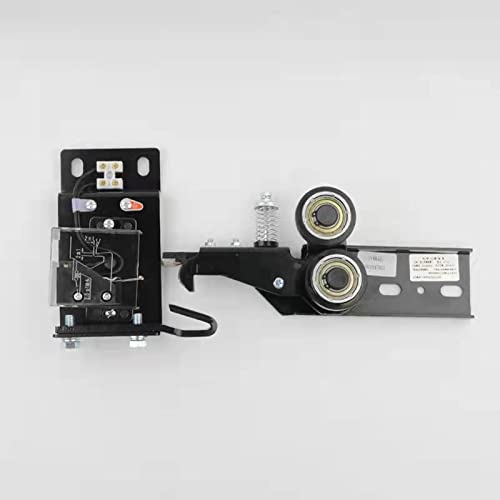
Figure 1: BIMORE Elevator 161 Door Lock KS-3 Left. This image displays the complete assembly of the door lock mechanism, featuring its robust black metal construction, two primary rollers for smooth operation, a visible spring-loaded component, and integrated electrical wiring and connectors on the left side, indicating its functional design for elevator door systems.
Key Features:
- Designed for Elevator 161 Door systems.
- Model KS-3 Left configuration.
- Constructed from durable Alloy Steel.
- Ensures secure and reliable door locking.
3. Setup and Installation
Installation of the Elevator Door Lock should only be performed by qualified personnel in accordance with all local and national safety regulations and codes. Improper installation can lead to serious injury or equipment damage.
Safety Precautions:
- Ensure power to the elevator system is completely disconnected and locked out before beginning any work.
- Wear appropriate personal protective equipment (PPE), including safety glasses and gloves.
- Verify all components are present and undamaged before installation.
Installation Steps:
- Prepare the Installation Area: Clear any obstructions and ensure adequate lighting.
- Remove Existing Lock (if applicable): Carefully disconnect wiring and unmount the old door lock.
- Mount the KS-3 Left Lock: Align the mounting holes of the KS-3 Left lock with the designated points on the elevator door frame. Secure it using appropriate fasteners (not included). Ensure the lock is level and firmly attached.
- Connect Electrical Wiring: Refer to the elevator system's wiring diagram for correct electrical connections. Ensure all connections are secure and insulated.
- Test Functionality: After installation, restore power and perform functional tests to ensure the door lock engages and disengages correctly and safely. Verify proper alignment and smooth operation of the rollers.
4. Operating Principles
The BIMORE Elevator 161 Door Lock KS-3 Left operates as an integral part of the elevator door system, ensuring that the elevator car can only move when the hoistway doors are properly closed and locked. Its primary function is to prevent the elevator from operating if a door is ajar or unlocked, thereby enhancing passenger safety.
Normal Operation:
- When the elevator car approaches a floor, the door operator initiates the unlocking sequence.
- The KS-3 Left lock mechanism disengages, allowing the hoistway door to open.
- Once passengers have entered or exited, the door operator closes the hoistway door.
- The KS-3 Left lock automatically engages, securing the door and signaling the elevator control system that it is safe to move.
The rollers on the lock mechanism facilitate smooth movement and alignment of the door as it opens and closes, reducing friction and wear.
5. Maintenance
Regular maintenance is crucial for the longevity and reliable operation of the Elevator Door Lock. All maintenance procedures should be performed by certified elevator technicians.
Recommended Maintenance Schedule:
- Monthly Inspection:
- Check for any signs of wear, corrosion, or damage on the lock mechanism, especially the rollers and spring.
- Verify that all fasteners are tight.
- Ensure smooth operation of the locking and unlocking mechanism.
- Quarterly Lubrication:
- Apply a small amount of appropriate lubricant to moving parts, such as the rollers and pivot points, to ensure smooth operation and prevent wear.
- Annual Comprehensive Check:
- Perform a thorough inspection of the entire assembly, including electrical connections.
- Check for proper alignment and adjust if necessary.
- Replace any worn or damaged components immediately.
Note: Always disconnect power before performing any maintenance.
6. Troubleshooting
This section provides guidance for common issues that may arise with the Elevator Door Lock. For complex problems or if you are unsure, contact a certified elevator technician.
| Problem | Possible Cause | Solution |
|---|---|---|
| Door not locking/unlocking properly | Misalignment, worn components, electrical issue. | Check alignment, inspect for worn parts (rollers, spring), verify electrical connections. Adjust or replace as needed. |
| Excessive noise during operation | Lack of lubrication, worn rollers, debris. | Lubricate moving parts, clean rollers, replace worn rollers. |
| Elevator not moving with doors closed | Lock not fully engaging, faulty sensor/switch. | Ensure lock engages completely. Inspect and test associated safety switches and sensors. |
7. Specifications
Detailed technical specifications for the BIMORE Elevator 161 Door Lock KS-3 Left:
- Model: KS-3Left
- Brand: BIMORE
- Material: Alloy Steel
- Item Weight: 6.61 Pounds (approximately 3 kg)
- Strand Type: Single
- ASIN: B078LRW1HZ
- UPC: 663751354121
- Manufacturer: BIMORE ELEVATOR
8. Warranty and Support
For information regarding warranty coverage and technical support, please refer to the documentation provided with your purchase or contact your supplier. The manufacturer, BIMORE ELEVATOR, provides support for their products.
Seller Information: Ansons Elevator Parts Co., Ltd
Return Policy: 30 days for refund/replacement (as per seller's policy).
Ask a question about this manual
Ask about setup, troubleshooting, compatibility, parts, safety, or missing instructions. Manuals+ will review the question and use this page’s manual context to help answer it.