
1. Introduction
The ArjoHuntleigh Sara Stedy is a manual sit-to-stand patient lift aid designed to assist individuals with partial weight-bearing capabilities in transitioning from a sitting to a standing position. This device facilitates transfers between various surfaces such as beds, chairs, and toilets, while minimizing manual handling by caregivers. It is intended for users who can actively participate in the standing process by pulling themselves up.
This manual provides essential information for the safe and effective use, setup, operation, and maintenance of your Sara Stedy patient lift aid.
2. Important Safety Information
- User Capability Requirement: The user must possess sufficient upper body strength to pull themselves into a standing position using the cross-bar handle. This device is not suitable for individuals who are unable to bear partial weight or actively participate in the standing process.
- Always ensure all four total-lock castors are engaged (locked) before the user attempts to stand or sit, and before any transfer.
- Ensure the user's feet are placed securely on the footplate before initiating any movement or transfer.
- The caregiver must maintain control of the device and provide verbal guidance and physical assistance as needed throughout the transfer process.
- Do not exceed the maximum weight capacity of 400 pounds (181 kg).
- Ensure the user's height is within the recommended range of 4'11" to 6'6" for optimal safety and comfort.
- Regularly inspect the device for any signs of wear, damage, or loose components. Do not use if damaged.
- Keep hands and clothing clear of moving parts, especially during chassis leg adjustment.
3. Product Components and Features
The Sara Stedy patient lift aid incorporates several design elements to ensure safe and efficient transfers:
- Cross-Bar Handle: A sturdy horizontal bar for the user to grasp and pull themselves up. This promotes a natural pulling motion, reducing strain.
- Pivoting Seat: Split seat cushions that pivot outwards to allow easy access for the user to sit down or stand up. Once the user is standing, the seat can be pivoted back into position to provide a secure resting surface during transfers.
- Soft Knee Supports: Padded supports that provide stability and comfort to the user's knees during the standing and transfer process.
- Footplate: A stable platform for the user's feet.
- Pedal-Operated Chassis Legs: Foot pedals located at the base allow the caregiver to widen or narrow the chassis legs for easier access around furniture, wheelchairs, or commodes without bending.
- Total-Lock Castors: Wheels equipped with a locking mechanism to ensure complete stability when the device is stationary.
- Integrated Handgrips: Located on the seat, these allow caregivers to maneuver the device easily.

Figure 3.1: Overview of the ArjoHuntleigh Sara Stedy patient lift aid.

Figure 3.2: Close-up view highlighting the pivoting seat and knee rest for safe transfer and stability.

Figure 3.3: Detail of the sturdy cross-bar handle designed for easy user lift assistance.

Figure 3.4: Illustration of the total-lock castors for stability and the foot pedals for hands-free base operation.
4. Setup
The ArjoHuntleigh Sara Stedy is typically delivered fully assembled. Upon receipt, perform the following steps:
- Unpacking: Carefully remove the unit from its packaging. Inspect for any visible damage during transit.
- Initial Inspection: Verify that all components are present and securely attached. Check for any loose parts or structural integrity issues.
- Castor Functionality: Test the total-lock castors by engaging and disengaging them. Ensure they lock securely and roll freely when unlocked.
- Chassis Leg Adjustment: Test the pedal-operated chassis legs to ensure they widen and narrow smoothly.
- Pivoting Seat: Confirm the pivoting seat mechanism operates correctly.
The device is ready for use after these initial checks.
5. Operating Instructions
Follow these steps for safe and effective patient transfers using the Sara Stedy:
- Preparation:
- Position the Sara Stedy close to the user.
- Ensure the total-lock castors are engaged (locked) for stability.
- If necessary, use the foot pedals to widen the chassis legs to accommodate a wheelchair or other furniture.
- Pivot the seat cushions outwards to allow the user to approach the device.
- User Positioning:
- Guide the user to place their feet firmly on the footplate.
- Ensure the user's knees are comfortably positioned against the soft knee supports.
- Instruct the user to grasp the cross-bar handle securely.
- Standing Assistance:
- With the caregiver providing verbal cues and support, instruct the user to pull themselves up using the cross-bar handle.
- As the user stands, pivot the seat cushions back into position to create a secure seat.
- Ensure the user is stable and comfortable in the standing position, supported by the knee pads and holding the handle.
- Transfer:
- Once the user is securely standing, disengage the total-lock castors.
- Carefully maneuver the Sara Stedy to the destination (e.g., bed, toilet, another chair). Use the integrated handgrips on the seat for easier turning.
- Once in position, engage the total-lock castors.
- Sitting Assistance:
- Pivot the seat cushions outwards.
- Guide the user to slowly lower themselves onto the destination surface, maintaining their grip on the cross-bar handle until seated.
- Once the user is safely seated, move the Sara Stedy away.
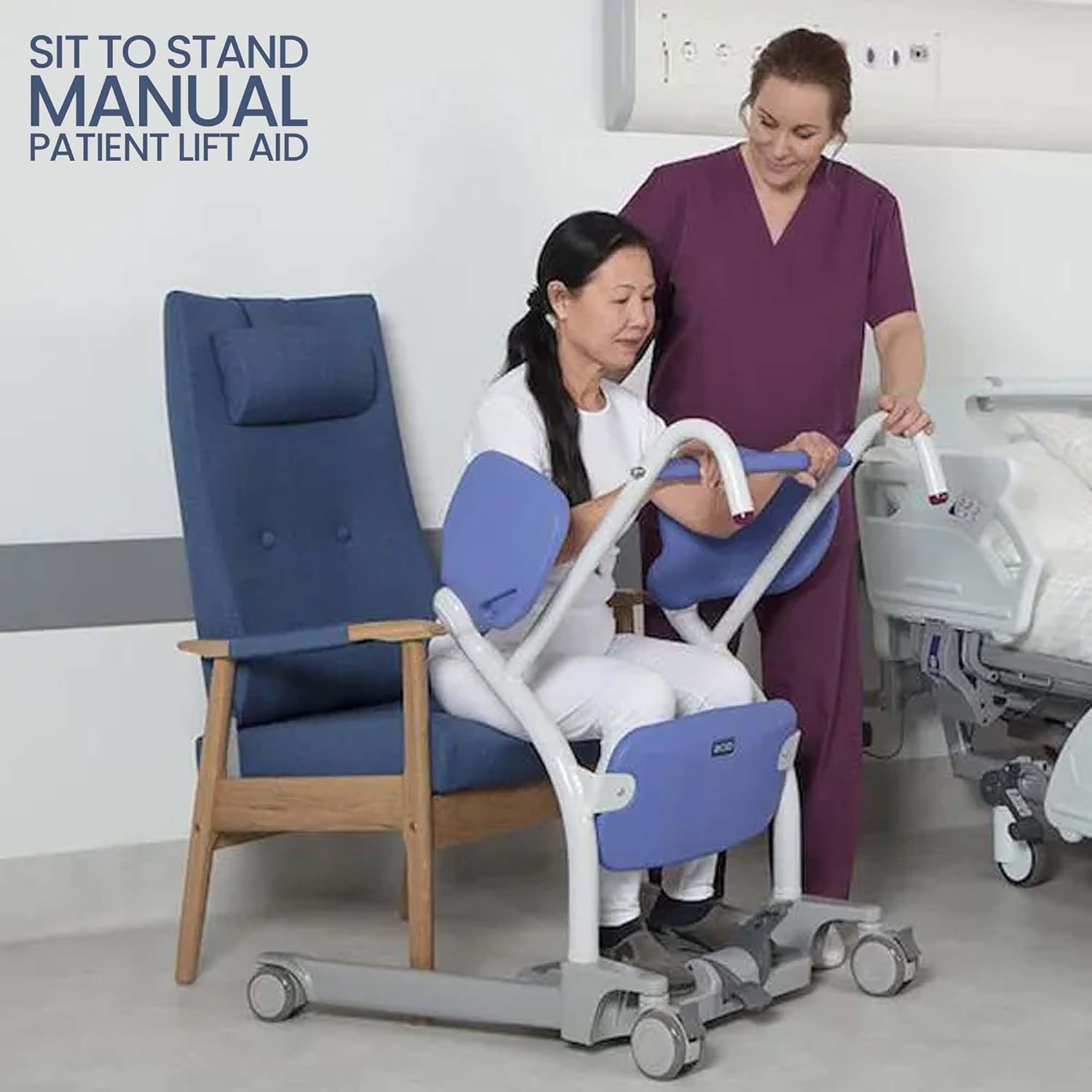
Figure 5.1: A caregiver assisting a user to stand from a chair using the Sara Stedy.

Figure 5.2: A caregiver assisting a user to stand from a bed using the Sara Stedy.
6. Maintenance
Proper maintenance ensures the longevity and safe operation of your Sara Stedy:
- Cleaning: Wipe all surfaces with a damp cloth. Use mild soap and water if necessary. Avoid abrasive cleaners or solvents that could damage the materials.
- Regular Inspection: Periodically check all bolts, screws, and fasteners to ensure they are tight. Inspect the castors for smooth operation and wear. Examine the knee supports and seat cushions for tears or damage.
- Storage: Store the device in a clean, dry environment when not in use.
7. Troubleshooting
This section addresses common issues you might encounter:
- Device does not move smoothly:
- Ensure all total-lock castors are disengaged (unlocked).
- Check for any obstructions around the castors or chassis legs.
- Clean any debris from the castor wheels.
- Device feels unstable during transfer:
- Verify that all total-lock castors are fully engaged (locked) before initiating a transfer or when stationary.
- Ensure the user's feet are properly positioned on the footplate and knees against the supports.
- Chassis legs are difficult to adjust:
- Ensure the pedals are fully depressed.
- Check for any obstructions preventing the legs from moving freely.
If you encounter issues not covered here or if problems persist, contact customer support.
8. Specifications
| Brand | ArjoHuntleigh |
| Model | Sara Stedy |
| Product Dimensions (W x H) | 41.5" x 36.5" (Width x Height) |
| Item Weight | 65 pounds (29.5 kg) |
| Maximum User Weight Capacity | 400 pounds (181 kg) |
| Recommended User Height | 4'11" - 6'6" (150 cm - 198 cm) |
| Material | High-quality aluminum |
| Color | Blue, White |
| Product Care Instructions | Wipe With Damp Cloth |

Figure 8.1: Visual representation of the Sara Stedy's dimensions and weight.
9. Warranty and Support
The ArjoHuntleigh Sara Stedy Sit to Stand Manual Patient Lift Aid is backed by a 1-year manufacturer warranty from the date of purchase. This warranty covers defects in materials and workmanship under normal use.
For warranty claims, technical support, or any questions regarding the operation or maintenance of your device, please contact ArjoHuntleigh customer service. Refer to your purchase documentation for specific contact details.


