
1. Introduction
This manual provides essential information for the safe and effective use of the Bussmann LCL1800 1800A 600V Class L fuse. Please read these instructions carefully before installation or operation to ensure proper application and to prevent potential hazards.
2. Safety Information
- Professional Installation Required: Installation and replacement of this fuse must be performed by qualified electrical personnel in accordance with all applicable national and local electrical codes.
- Disconnect Power: Always disconnect all power to the circuit before installing, removing, or inspecting fuses. Failure to do so can result in severe injury or death.
- Voltage and Amperage Ratings: Ensure the fuse's voltage and amperage ratings (600V, 1800A) match the circuit requirements. Using an incorrectly rated fuse can lead to equipment damage or fire.
- Proper Handling: Handle fuses carefully. Do not use fuses that appear damaged or have been dropped.
- Personal Protective Equipment (PPE): Always wear appropriate PPE, including safety glasses and insulated gloves, when working with electrical systems.
3. Product Overview
The Bussmann LCL1800 is a high-performance, current-limiting Class L fuse designed for the protection of main, feeder, and branch circuits. It provides superior overcurrent protection for industrial and commercial applications with high available fault currents. Its time-delay characteristics allow for the safe starting of motors and other inductive loads without nuisance tripping, while still providing rapid interruption of damaging short-circuit currents.
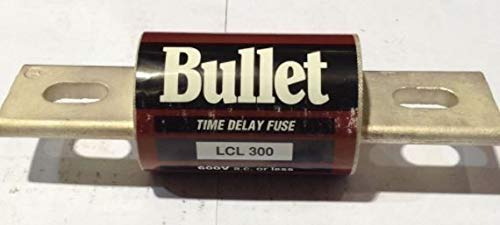
Image: Bussmann LCL1800 Class L Fuse. This image displays the cylindrical body of the fuse, typically with metal end caps for connection and a label indicating its specifications.
4. Setup and Installation
- Verify Circuit Conditions: Confirm that the circuit voltage and current requirements are within the 600V and 1800A ratings of the LCL1800 fuse.
- De-energize Circuit: Completely disconnect and lock out all power to the circuit where the fuse will be installed. Verify zero voltage with a suitable testing device.
- Select Proper Fuse Holder: Ensure the fuse holder or fuse clips are rated for Class L fuses and are compatible with the LCL1800's physical dimensions and electrical ratings.
- Install Fuse: Carefully insert the LCL1800 fuse into the designated fuse holder or clips. Ensure a secure and proper electrical connection. Do not force the fuse.
- Re-energize Circuit: Once the fuse is securely installed and all safety precautions are observed, restore power to the circuit.
Note: No official product videos are available for embedding based on the provided data.
5. Operating Principles
The Bussmann LCL1800 fuse operates as a sacrificial overcurrent protection device. When an overcurrent condition (either an overload or a short circuit) exceeds the fuse's rated amperage for a specific duration, the internal element of the fuse melts. This melting action creates an open circuit, interrupting the flow of electricity and protecting downstream equipment from damage. As a Class L fuse, it offers a high interrupting rating and current-limiting capabilities, meaning it can quickly clear high fault currents and limit the peak current that flows during a fault.
6. Maintenance
Fuses are generally maintenance-free devices. However, periodic inspection is recommended:
- Visual Inspection: During routine electrical system checks, visually inspect the fuse and its holder for any signs of physical damage, discoloration, or overheating.
- Replacement: If the fuse has operated (blown) due to an overcurrent event, it must be replaced. Always replace a blown fuse with an identical Bussmann LCL1800 fuse to maintain the intended circuit protection. Never attempt to repair a blown fuse.
- Cleaning: Ensure fuse clips and contact surfaces are clean and free from corrosion to maintain good electrical contact.
7. Troubleshooting
If a circuit protected by an LCL1800 fuse loses power, follow these steps:
- De-energize Circuit: Disconnect all power to the affected circuit.
- Inspect Fuse: Carefully remove and inspect the LCL1800 fuse. A blown fuse may show visible signs of a melted element or a discoloration indicator.
- Identify Cause: Before replacing the fuse, investigate and identify the cause of the overcurrent. Common causes include short circuits, overloaded equipment, or ground faults. Replacing a fuse without addressing the underlying issue will likely result in the new fuse blowing as well.
- Replace Fuse: Once the cause is identified and corrected, replace the blown fuse with a new Bussmann LCL1800 fuse.
- Restore Power: Re-energize the circuit and monitor for proper operation.
If the fuse blows repeatedly after replacement, it indicates a persistent electrical problem that requires immediate attention from a qualified electrician.
8. Specifications
| Specification | Value |
|---|---|
| Brand | Bussmann |
| Model | LCL1800 |
| Amperage Rating | 1800A |
| Voltage Rating | 600 Volts |
| Fuse Class | Class L |
| Manufacturer | BUSSMANN |
| UPC | 653829006229 |
| ASIN | B076VKT9BL |
9. Warranty and Support
Specific warranty information for the Bussmann LCL1800 fuse should be obtained directly from the manufacturer, Bussmann, or your authorized distributor at the time of purchase. Warranty terms typically cover manufacturing defects.
For technical support, product inquiries, or further assistance, please contact Bussmann customer service or refer to their official website. Always provide the model number (LCL1800) and any relevant purchase details when seeking support.