
1. Introduction
This manual provides essential information for the safe and efficient operation, maintenance, and troubleshooting of your Briggs & Stratton 44S977-0033-G1 25 GHP Vertical Shaft Engine. Please read this manual thoroughly before installing or operating the engine to ensure proper usage and longevity.
The Briggs & Stratton 44S977-0033-G1 is a 724cc, 25.0 Gross Horsepower (GHP) V-Twin engine designed for various outdoor power equipment applications. It features a 1-1/8" x 4-D/16" crankshaft, 12V electric start with a 16 amp alternator, Overhead Valve (OHV) technology, a Dura-Bore cast iron cylinder sleeve, and a float feed carburetor for reliable performance.
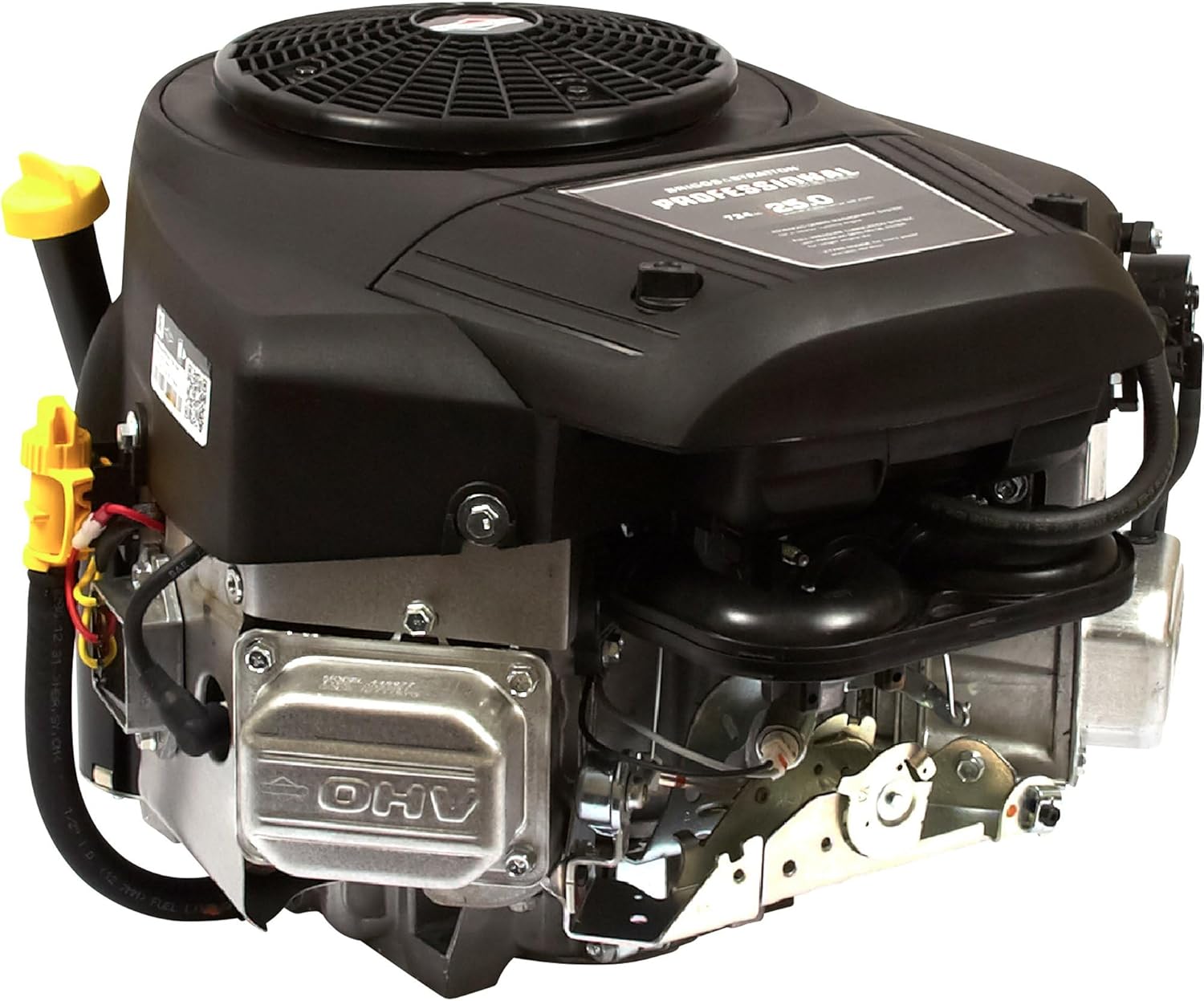
Image 1.1: Overview of the Briggs & Stratton 44S977-0033-G1 Vertical Shaft Engine.
2. Safety Information
WARNING: Read and understand all safety instructions before operating this engine. Failure to follow these instructions can result in serious injury or death.
- Carbon Monoxide Hazard: Engine exhaust contains carbon monoxide, a colorless, odorless, poisonous gas. Do not operate the engine in enclosed areas. Ensure adequate ventilation.
- Fire Hazard: Gasoline is highly flammable. Store fuel in approved containers in a well-ventilated area. Do not refuel a hot or running engine. Keep sparks, open flames, and smoking materials away from the engine and fuel.
- Burn Hazard: Engine components, especially the muffler, become very hot during operation and remain hot for a period after shutdown. Avoid contact with hot surfaces.
- Moving Parts Hazard: Keep hands, feet, hair, and clothing away from moving parts such as the flywheel, fan, and belts.
- Electrical Hazard: Ensure all electrical connections are secure and insulated. Disconnect the spark plug wire before performing any maintenance to prevent accidental starting.
- Eye Protection: Always wear appropriate eye protection when working on or around the engine.
3. Setup and Installation
3.1 Unpacking
Carefully remove the engine from its packaging. Inspect for any shipping damage. The engine is typically shipped in a sturdy cardboard box.

Image 3.1: Typical shipping box for Briggs & Stratton engines.
3.2 Mounting
Mount the engine securely to the equipment frame using appropriate hardware. Ensure the mounting surface is level and capable of supporting the engine's weight and vibrations. The crankshaft dimensions are 1-1/8" X 4-D/16".
3.3 Fuel System Connection
Connect the fuel line from the equipment's fuel tank to the engine's fuel inlet. Ensure all connections are tight and free of leaks. Use fresh, clean, unleaded gasoline with an octane rating of 87 or higher. Do not use E85 fuel.

Image 3.2: Engine side view illustrating fuel line connection point.
3.4 Lubrication System (Engine Oil)
Before starting, fill the engine with the recommended oil. Refer to the equipment manufacturer's manual for specific oil capacity. Typically, Briggs & Stratton engines use SAE 30 oil for temperatures above 40°F (4°C) or 10W-30 for varying temperatures. Check the oil level using the dipstick; do not overfill.

Image 3.3: Engine side view highlighting the oil filter and oil fill location.
3.5 Electrical Connections
Connect the battery cables to the engine's electric start system. Ensure positive (+) to positive and negative (-) to negative connections. The engine features a 12V electric start with a 16 amp alternator for charging.

Image 3.4: Engine side view detailing electrical connections for the starter and alternator.
4. Operating Instructions
4.1 Pre-Start Checks
- Check engine oil level.
- Ensure fuel tank is adequately filled.
- Inspect air filter for cleanliness.
- Verify all guards and safety devices are in place.
4.2 Starting the Engine (Electric Start)
- Ensure the equipment's parking brake is engaged (if applicable).
- Place the throttle control in the FAST position.
- Engage the choke control (if the engine is cold).
- Turn the ignition key to the START position. Release the key once the engine starts.
- Gradually disengage the choke as the engine warms up.

Image 4.1: Engine front view displaying throttle and choke control linkages.
4.3 Stopping the Engine
- Move the throttle control to the SLOW or IDLE position.
- Turn the ignition key to the OFF position.
5. Maintenance
Regular maintenance is crucial for the longevity and optimal performance of your Briggs & Stratton engine. Always refer to the equipment manufacturer's manual for specific service intervals.
- Engine Oil: Check oil level before each use. Change engine oil and oil filter every 50 operating hours or annually, whichever comes first. Use Briggs & Stratton recommended oil.
- Air Filter: Inspect the air filter every 25 operating hours or more frequently in dusty conditions. Clean or replace as necessary. A clogged air filter can reduce engine performance and increase fuel consumption.
- Spark Plug: Inspect the spark plug every 100 operating hours or annually. Clean or replace if fouled or worn. Ensure proper gap setting.
- Fuel System: Use a fuel stabilizer if storing the engine for extended periods. Clean the fuel filter (if equipped) as needed.
- Cooling System: Keep the engine's cooling fins and air intake screen clean to prevent overheating.
6. Troubleshooting
This section addresses common issues you might encounter with your engine. For more complex problems, consult a qualified service technician.
| Problem | Possible Cause | Solution |
|---|---|---|
| Engine will not start | No fuel, stale fuel, clogged fuel filter, fouled spark plug, weak battery, incorrect choke setting. | Check fuel level, replace stale fuel, clean/replace fuel filter, clean/replace spark plug, charge/replace battery, adjust choke. |
| Engine runs rough | Clogged air filter, stale fuel, fouled spark plug, carburetor issues. | Clean/replace air filter, replace stale fuel, clean/replace spark plug, consult service manual for carburetor adjustment. |
| Engine lacks power | Clogged air filter, incorrect engine speed, low oil level, worn components. | Clean/replace air filter, adjust throttle, check oil level, consult service technician. |
| Excessive smoke | Overfilled oil, incorrect oil type, worn engine components. | Drain excess oil, use correct oil, consult service technician for internal engine issues. |
7. Specifications
Detailed technical specifications for the Briggs & Stratton 44S977-0033-G1 engine.
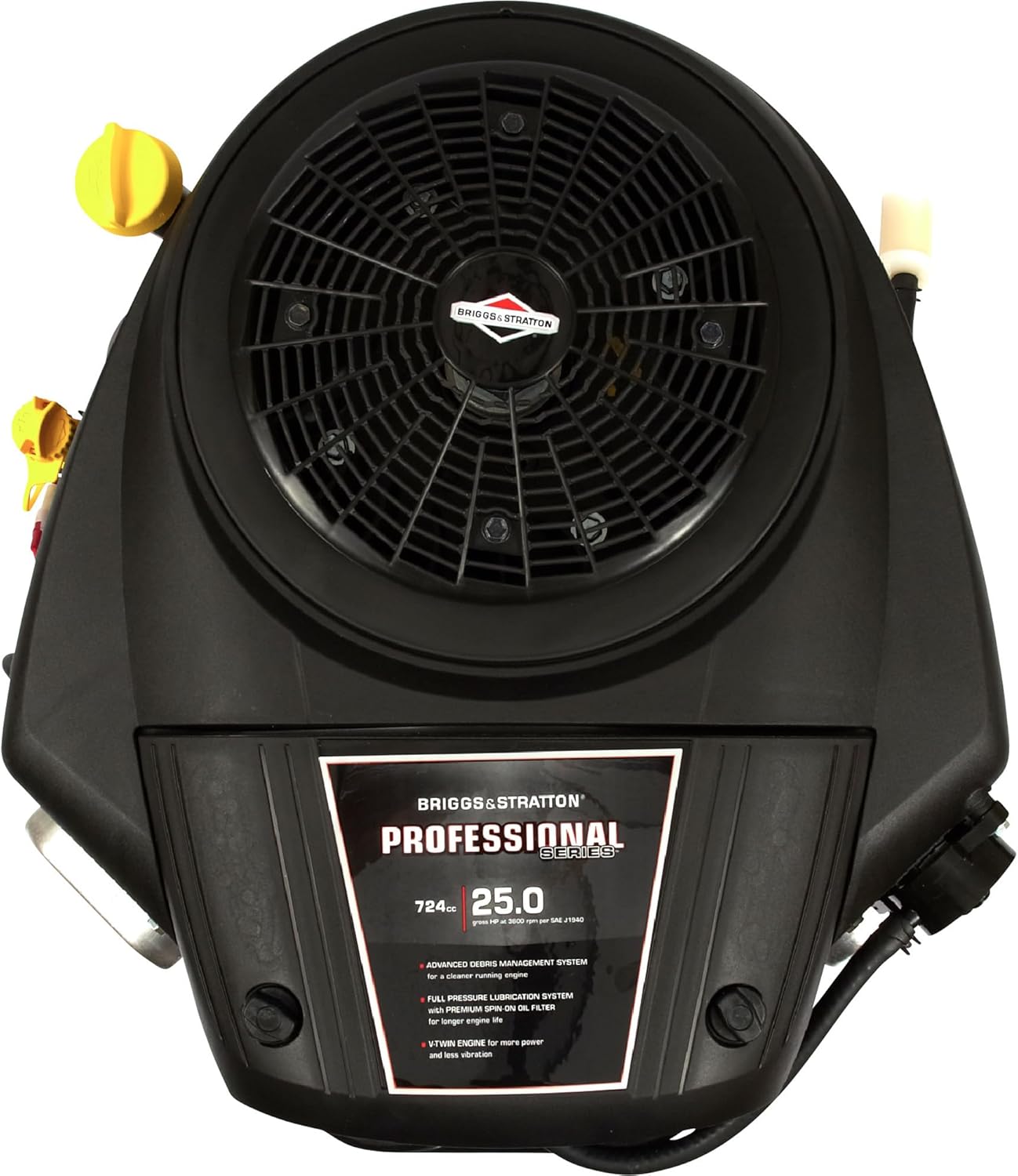
Image 7.1: Top view of the engine, highlighting the cooling fan and model series.
| Feature | Specification |
|---|---|
| Model Number | 44S977-0033-G1 |
| Engine Type | Vertical Shaft, V-Twin, OHV |
| Gross Horsepower (GHP) | 25.0 GHP |
| Displacement | 724cc |
| Crankshaft Dimensions | 1-1/8" X 4-D/16" |
| Start System | 12V Electric Start with 16 amp alternator |
| Lubrication System | Full Pressure Lubrication with Premium Spin-On Oil Filter |
| Carburetor Type | Float Feed |
| Cylinder Sleeve | Dura-Bore Cast Iron |
| Product Dimensions (L x W x H) | 18.81 x 17.9 x 14.96 inches |
| Item Weight | 2 pounds |
| Manufacturer | Briggs and Stratton |
8. Warranty and Support
For warranty information, please refer to the documentation included with your engine or visit the official Briggs & Stratton website. For technical support, parts, or service, contact an authorized Briggs & Stratton service dealer. You can find a local dealer through the Briggs & Stratton website or by contacting their customer service.
Briggs & Stratton Customer Support: Visit Briggs & Stratton Support